
Navigating Safety Standards for Grid-Forming Solar Containers in Telecom BESS
Contents
- The Silent Problem at the Edge of the Grid
- When Standards Collide: The Real-World Cost of Confusion
- Beyond the Checklist: A Framework for True Safety
- A Case in Point: Lessons from a German Deployment
- The Practical Guide: What to Look For in Your System
The Silent Problem at the Edge of the Grid
Honestly, if you've been to as many remote telecom sites as I have, you know the drill. A containerized battery energy storage system (BESS) paired with solar isn't just a backup anymore; it's the primary grid, a "grid-forming" heartbeat for critical communications. But here's the uncomfortable coffee chat we need to have: the safety rulebook for these hybrid, off-grid beasts hasn't been fully written. Or rather, it's written in three different languages - UL, IEC, and IEEE - and expecting them to play nice on-site is where the real engineering challenge begins.
The core problem isn't a lack of standards. It's the intersection. You have solar PV standards (UL 61730, IEC 62109), battery system standards (UL 9540, IEC 62619), power conversion standards (UL 1741, IEEE 1547), and then the entire container's safety as an electrical enclosure (UL, NEC, local building codes). For a grid-forming system that does all this simultaneously, the gaps between these silos are where risks - thermal, electrical, arc flash - can quietly creep in. I've seen firsthand on site where a perfectly compliant battery module, when integrated into a container with a high C-rate inverter in a grid-forming mode, created thermal hotspots that no single component test had predicted.
When Standards Collide: The Real-World Cost of Confusion
Let's agitate that pain point a bit. This isn't just paperwork. According to a National Renewable Energy Laboratory (NREL) analysis, integration and interoperability challenges can inflate the soft costs of a BESS project by up to 15-25%. A big chunk of that? Navigating the safety certification maze. A delay in approval from an AHJ (Authority Having Jurisdiction) because your system's grid-forming functionality wasn't explicitly covered in the listed standard can cost thousands per day in lost revenue and holding costs.
Think about the Levelized Cost of Energy (LCOE) for your off-grid telecom site. It's not just the capex of the box. It's the operational lifespan. An undersized thermal management system, approved under a basic standard but not stress-tested for the constant, full-cycle duty of grid-forming, will degrade batteries faster. That 10-year financial model just became a 7-year battery replacement reality. That's a direct hit to your LCOE and operational budget.

Beyond the Checklist: A Framework for True Safety
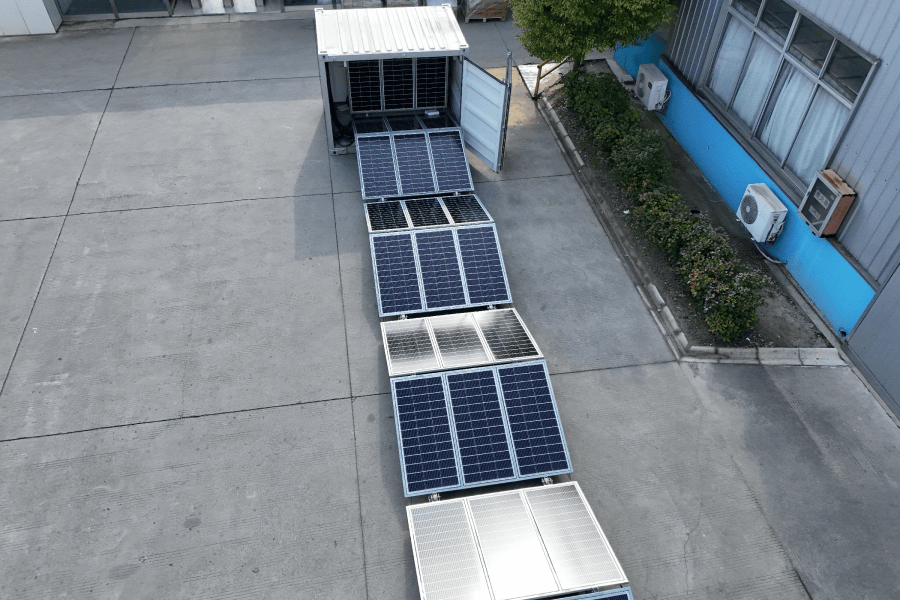
So, what's the solution? It's moving from a component-checklist mindset to a Safety Regulations for Grid-forming Solar Container for Telecom Base Stations as an integrated system philosophy. The key is looking for solutions designed from the ground up against the intersection of critical standards.
At Highjoule, when we engineer a container for this duty, we don't just bolt together certified parts. We start with the system's worst-case scenario: a hot Texas day, 100% load on the telecom equipment, simultaneous solar charging and grid-forming discharge at a high C-rate. Then we model it. The thermal management isn't an add-on; it's core to the electrical and mechanical layout. We design for the specific airflow and heat rejection needs called for in IEC 62933-5-2 for system safety, which goes beyond the cell-level focus of IEC 62619.
For the US market, it's about bridging UL 9540 (the system standard) with the grid-interactive requirements of IEEE 1547-2018, which formally recognizes grid-forming capabilities (Section 5.7). Your system provider needs to demonstrate that their grid-forming logic doesn't compromise the fault current limits or anti-islanding protections mandated by the standard. It's a nuanced dance between functionality and safety.
A Case in Point: Lessons from a German Deployment
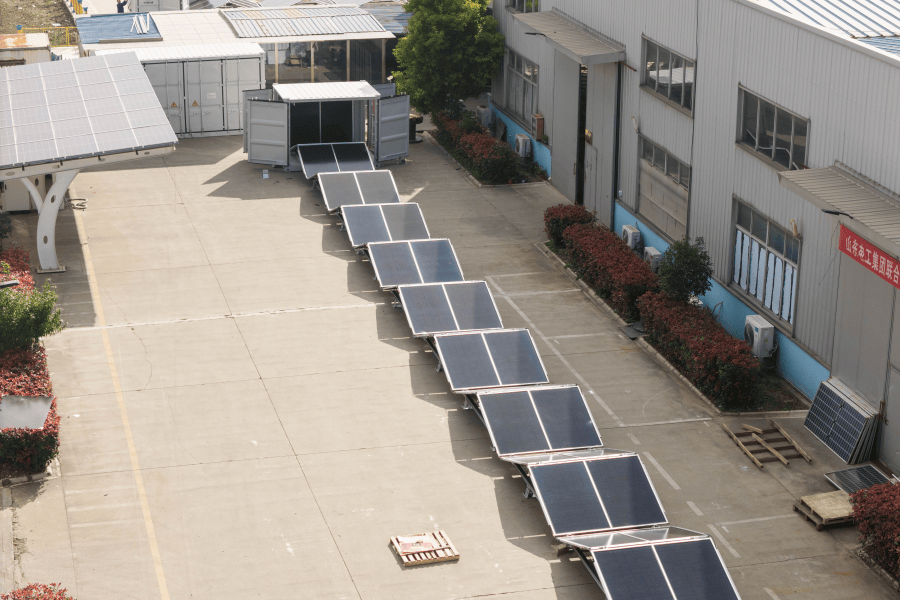
Let me give you a real example. We deployed a solar-container BESS for a telecom tower in North Rhine-Westphalia, Germany. The challenge was the local utility's strict grid-code (based on VDE-AR-N 4105, which ties into IEC standards) for any system that could potentially connect back during maintenance. The container was permanently off-grid, but the regulation still applied as a "potential connection point."
The solution wasn't just a certificate. It was a collaborative process with the certifying body (T1V). We provided detailed system logic diagrams showing how the grid-forming inverter's voltage and frequency control (V/f control) would remain stable under all load conditions without creating unsafe islanding conditions. We had to demonstrate the fire suppression system (required by local code) would not only trigger on smoke but also safely disconnect the solar DC strings and battery packs per IEC 62485-2 requirements, all while the system was "forming" the grid. It was a holistic safety case, not a stack of certificates.
The Practical Guide: What to Look For in Your System
Based on two decades of these conversations, here's my practical advice for any decision-maker evaluating these systems:
- Ask for the System Certification, Not Just Parts: Demand evidence of a full system evaluation under a recognized standard (UL 9540 for US, IEC 62933 series for EU) that includes the grid-forming operating mode in the test scope.
- Interrogate the Thermal Design: Ask, "What is the maximum ambient temperature at which this system can perform continuous grid-forming at full rated power?" Get the derating curves. If they don't have them, that's a red flag.
- Understand the Failure Modes: Request the Failure Mode and Effects Analysis (FMEA) for the integrated system. How does it fail safely if the primary controller stops? A robust system will have a layered safety architecture.
- Localization is Key: Your provider must have experience with your specific AHJ or national deviations. The German VDE, California's Title 24, and the UK's DNO requirements all have unique twists. At Highjoule, our local deployment teams are built around this knowledge.
The bottom line? Safety in a grid-forming solar container is an active, system-level property. It's the difference between a box of certified components and a resilient, long-life power plant for your critical assets. The right partner won't just hand you a manual; they'll walk you through the safety philosophy that's baked into every conduit run and control algorithm. What's the one safety concern keeping you up at night about your next edge-of-grid deployment?
Tags: UL Standard BESS Renewable Energy IEEE 1547 Grid-forming Telecom Energy Safety Regulations
Author
James Zhang
20+ years agricultural energy storage engineer / Highjoule CTO