
20ft High Cube ESS Container for Remote Island Microgrids: Benefits & Tradeoffs
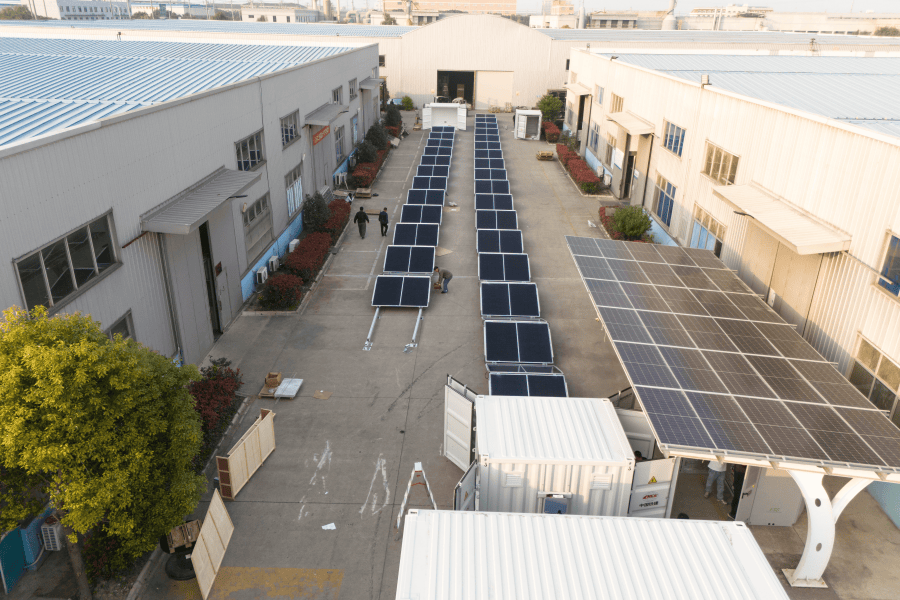
Table of Contents
- The Real Struggle: Powering Remote Islands Isn't a Walk on the Beach
- Why the 20ft High Cube Container Became Our Go-To Island Solution
- Honestly, It's Not Perfect: Let's Talk Tradeoffs
- Putting It to Work: A Real Island Case Study (California Channel Islands)
The Real Struggle: Powering Remote Islands Isn't a Walk on the Beach
Honestly, after 20+ years wrestling with energy projects from the Scottish Isles to the Caribbean, I can tell you remote islands face a unique energy nightmare. Picture this: You're relying on noisy, expensive diesel generators guzzling fuel shipped in at crazy costs. One storm disrupts the barge schedule? You're rationing power. The NREL estimates fuel costs alone can be 3-5x higher than mainland grids C that's a direct hit to community wallets and local businesses trying to stay competitive. It's unsustainable, volatile, and frankly, just bad economics. You know?
The real kicker? Space. Islands are tight. Finding room for sprawling energy infrastructure is like playing Tetris on expert mode. Plus, getting heavy equipment C think massive transformers or traditional battery rooms C onto a rocky jetty or across narrow island roads? It's a logistics circus, often requiring specialized barges and cranes, blowing budgets before you even flip the switch. And let's not forget the salty, humid air chewing through equipment twice as fast. I've seen firsthand how corrosion can turn a promising project into a maintenance money pit.
Why the 20ft High Cube Container Became Our Go-To Island Solution
So, how do we tackle this? Enter the workhorse: the 20ft High Cube Industrial ESS Container. It's not just a metal box, folks. It's become a game-changer for island microgrids for solid reasons:
- Space Saver & Logistics Hero: That extra foot of height? It matters. It allows smarter, denser packing of battery racks, power conversion systems (PCS), and crucially, the thermal management kit C all pre-integrated in one weatherproof, sea-worthy unit. Shipping is standardized. You load it onto a standard container ship, truck it (where roads allow), and position it with a decent crane. We deployed one last year on a Greek island where the access road was barely wider than the container itself C it worked because it's a single, manageable block. Saves weeks of complex assembly on-site, which is pure gold when weather windows are short.
- Built Tough, Certified Safe (UL/IEC 62933 Matters!): This isn't amateur hour. Reputable containers like ours at Highjoule are designed from the ground up for industrial use. Think robust steel frames, corrosion-resistant coatings (essential for salt spray!), and critically, built-in safety systems meeting UL 9540, IEC 62933 standards. Fire suppression? Check. Advanced gas detection? Check. Thermal runaway prevention? Absolutely. It's not just about containing a problem; it's about preventing it. Having that UL certification stamp isn't just paperwork; it's peace of mind for island communities and insurers. You can't put a price on that.
- LCOE Smarts: Yeah, the upfront cost is a factor, but look at the lifetime picture C the Levelized Cost of Energy (LCOE). By slashing diesel consumption (often by 70%+ when paired with solar/wind), these containers pay back. The integrated design reduces balance-of-system costs. Pre-fabrication in controlled factory settings means higher quality and faster commissioning than field-built systems. Less time fiddling on-site means lower labor costs and getting that clean energy flowing sooner. Our team actually added specific LCOE modeling for island fuel price volatility into our planning tools C it makes the savings crystal clear.
- Plug-and-Play(ish) Flexibility: Need more juice? You can often add containers later, scaling the microgrid as the island grows or renewables expand. They provide a stable, clean base layer, smoothing out the bumps from wind and solar, letting those diesels rest (or run far more efficiently). It's about building resilience block by block.
Honestly, It's Not Perfect: Let's Talk Tradeoffs
Let's have a real coffee-chat moment. No solution is magic.
- Weight & Foundation Needs: Packed with batteries and equipment, these things are heavy. You need a solid, level foundation C proper concrete pad or pilings. On some geologically tricky islands, this prep work can be a significant chunk of the budget and timeline. Don't underestimate the ground you're putting it on.
- Thermal Management is King: That dense packing? It makes managing heat critical. High ambient island temps plus battery heat generation demand a top-notch HVAC system inside the container. This uses power itself (parasitic load), impacting overall system efficiency. We spec oversized, redundant cooling specifically for tropical deployments C it's non-negotiable for battery life and safety. Think of it like needing a really good AC unit in a small, packed server room... in the tropics.
- C-Rate & Duty Cycle Awareness: Not all containers are equal. Some are optimized for short, high-power bursts (high C-rate, great for grid support like frequency regulation). Others are built for long, slow discharges (lower C-rate, ideal for overnight solar shifting). Mismatch this with the island's needs, and you'll be disappointed. We spend a lot of time understanding the specific load profiles C is it peak shaving for a small resort, or providing 24/7 baseload for a village? That dictates the battery chemistry and system design inside the box.
- Accessibility Quirk: While integrated, servicing something deep inside a packed container can be trickier than in a custom-built room. Good design places critical service points accessibly, but it's a constraint. That's why remote monitoring (which we include as standard) and proactive maintenance plans are vital for island sites C preventing problems is better than fixing them in a tight space.
- Upfront Cost Hurdle: Yes, the integrated, certified container solution has a higher initial CapEx than just buying loose components. Financing models and clearly demonstrating the operational savings (OpEx) and fuel displacement are key to making it work.
Putting It to Work: A Real Island Case Study (California Channel Islands)
Remember the space and logistics headaches? Let me tell you about a project off the California coast. A small research station and conservation outpost needed to ditch near-constant diesel gen-sets. Space was ultra-limited C think a rocky outcrop accessible only by smaller boat. A custom build was out of the question.
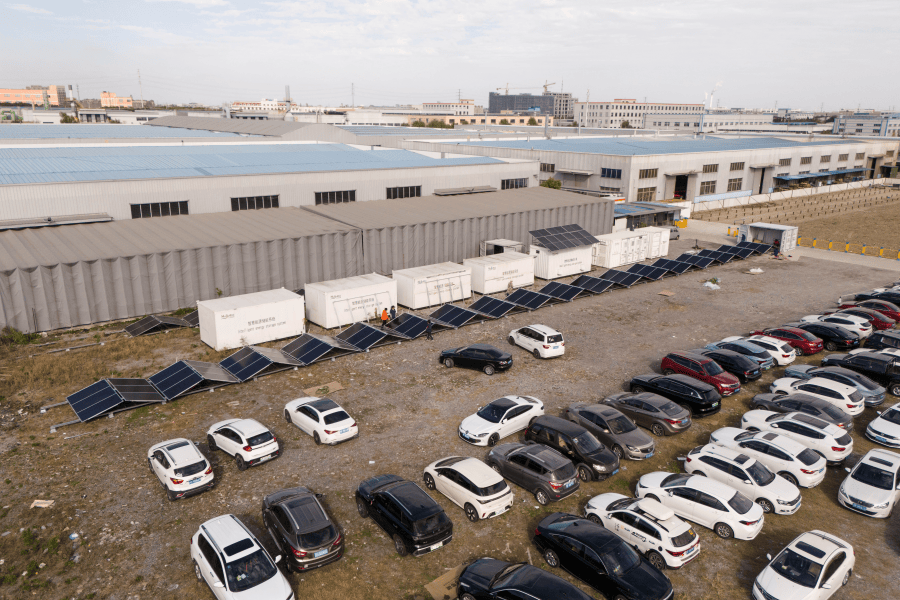
The Solution? Two 20ft High Cube ESS containers paired with a robust solar array. Here's how it worked:
- Challenge: Minimal footprint, extreme exposure (salt, wind, sun), strict environmental regulations (Channel Islands National Park), complex barge access.
- Deployment: Containers were fully tested and commissioned before shipping. They sailed on a standard barge, lifted by crane onto pre-prepared foundations in a single day. Integrated design meant minimal on-site wiring C primarily just AC hookups and solar DC inputs. We were generating within 48 hours of landing.

- Tech Specs Focus: UL 9540 certification was mandatory. We used LiFePO4 chemistry for its safety profile and tolerance to partial charge states (common with solar). Thermal management was over-spec'd with N+1 redundancy using seawater-resistant condensers. The integrated EMS seamlessly manages solar input, battery charge/discharge cycles, and triggers the backup diesel only when absolutely necessary (like during prolonged cloudy periods).
- Outcome: Diesel consumption dropped by over 85%. The station now runs primarily on solar + storage, dramatically quieter and cleaner. The containers' rugged design is handling the harsh marine environment flawlessly after 18 months. The park service loves the reduced fuel barge traffic and spill risk. It's a textbook case of the right tool for a tough job.
Seeing this tech deliver reliable, clean power in such a challenging spot? That's why I'm still passionate about this field. Done right, these containers are more than just metal; they're energy independence modules for places that need it most. Got a specific island challenge you're wrestling with? What's the biggest hurdle you're facing right now C logistics, financing, or something else?
Tags: BESS LCOE Island Microgrids Renewable Integration IEC Standards UL Certification Containerized Energy Storage Remote Power Systems
Author
James Zhang
20+ years agricultural energy storage engineer / Highjoule CTO