
Why a Maintenance Checklist is Critical for Your 20ft Hybrid Solar-Diesel BESS on Site
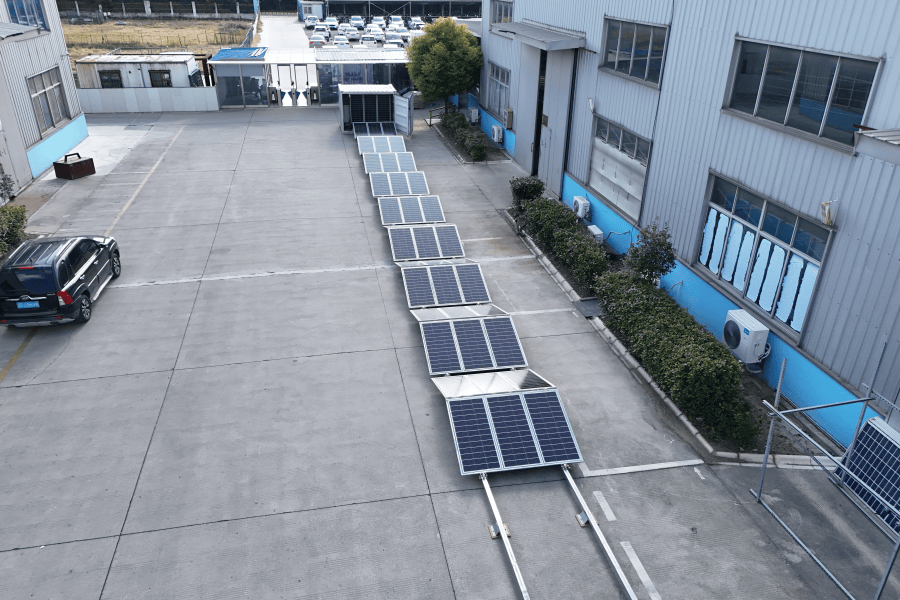
Your Hybrid Power Workhorse: Keeping It Running When Your Site Can't Stop
Honestly, over the last two decades, I've seen a lot of things on construction sites. Dust, deadlines, and... surprisingly sophisticated power systems. That 20ft High Cube container humming away in the corner? It's no longer just a generator. It's a hybrid solar-diesel brain that's cutting your fuel bills and keeping the lights on. But here's the thing I've seen firsthand: a brilliant capital investment can turn into an operational nightmare faster than you can say "thermal runaway" if you treat it like a set-it-and-forget-it diesel genset.
Quick Navigation
- The Silent Cost of "Reactive" Maintenance
- What a Real Checklist Actually Covers
- A Tale of Two Sites: The Checklist in Action
- What Should You Do Next?
The Silent Cost of "Reactive" Maintenance
Let's talk about the real problem. In the rush to deploy power for a new site, the focus is overwhelmingly on procurement and commissioning. The maintenance plan? Often an afterthought, a vague line item. For a complex hybrid system - part solar PV, part battery bank, part power electronics, part diesel backup - this is a recipe for three painful outcomes:
- Diesel Bills That Never Drop: The whole point is to maximize solar self-consumption and cycle the batteries, right? A poorly maintained battery management system (BMS) or dusty, underperforming solar panels means the diesel genset kicks in more than it should. I've reviewed sites where the expected 40% fuel savings turned into 10% because no one was checking battery health or panel output. That's pure profit, leaking away.
- The Safety Shadow: This isn't scaremongering. A lithium-ion battery system, even in a robust container, is an energy-dense asset. The NFPA and standards like UL 9540A are there for a reason. A missing check on thermal management systems, loose busbar connections, or environmental sensors can escalate from a minor fault to a major incident. On a remote site, that risk is multiplied.
- Project-Stopping Downtime: When your hybrid system fails, it's not a simple swap. It's a diagnostic puzzle. Is it the inverter? A faulty battery cell string? The controller? Without a systematic log from regular checks, troubleshooting takes days, not hours. And in construction, days of delayed power can crater your schedule.
The data backs this up. A National Renewable Energy Laboratory (NREL) report on BESS performance noted that inconsistent maintenance is a leading contributor to underperformance and accelerated degradation. You bought the system for a low Levelized Cost of Energy (LCOE), but neglect drives that cost right back up.
What a Real Checklist Actually Covers (It's Not Just "Check Battery")
So, you get it. You need a Maintenance Checklist for your 20ft High Cube Hybrid Solar-Diesel System. But it can't be a generic one-pager. It must be a living document, specific to your system's architecture and the harsh environment of a construction site. Here's what a proper checklist, like the ones we build for our clients at Highjoule, actually drills into:
1. The Battery Core: It's All About Balance & Temperature
We talk about "C-rate" C basically, how fast you charge and discharge the batteries. On a site, loads can spike (crane operation, concrete pouring). A good checklist doesn't just record voltage; it prompts the tech to verify the BMS is properly managing these spikes to prevent stress. More critically, it mandates thermal management inspection. Is the HVAC/air-cooling system free of dust clogging? Are the intake/exhaust vents clear? I've seen a 5-degree Celsius sustained temperature rise due to a blocked vent cut a battery's lifespan projection by nearly 20%. The checklist catches that.

2. The Power Electronics: Connections Are Everything
Vibration from nearby heavy machinery, thermal cycling, dust C they all work on electrical connections. Our checklist includes torque checks on DC and AC busbars at specified intervals. A loose connection here increases resistance, creates heat, and becomes a failure point. We also include visual inspections for capacitors and fans in the inverters and converters. A swollen capacitor is a pre-failure flag you can catch months before it pops.
3. The Hybrid Brain: Software & Logs
The controller deciding between solar, battery, and diesel is the maestro. The checklist forces a download and review of system logs. Is it following the intended strategy? Are there recurring, unflagged error codes? Has the weather data (for solar forecasting) drifted? This is preventative maintenance at the software level, ensuring your operational strategy stays intact.
4. Site-Specific & Compliant
For the US market, checks for UL 9540, UL 1973 compliance aren't just paperwork; they're safety. In the EU, IEC 62485 series standards apply. A robust checklist incorporates these standards into actionable items - verifying emergency stop functionality, signage integrity, and spill containment. It turns compliance from an annual audit panic into a daily routine.
A Tale of Two Sites: The Checklist in Action
Let me give you a real example from a project we supported in Texas. Two similar large-scale residential development sites, each with a 20ft hybrid system. Site A used a basic, generic checklist. Site B used our detailed, system-specific one.
- Month 4: Site B's checklist caught a gradual rise in differential voltage within one battery module during the weekly review. It was early-stage cell imbalance. A simple re-balancing procedure was scheduled for the next planned downtime. Fixed.
- Month 7: Site A's system threw a major fault and shut down. Diagnosis took 36 hours: a severely imbalanced battery string had triggered a protective shutdown. The cure was the same re-balancing, but now it was an emergency, with crews idle. The cost difference? Site B's proactive fix cost a few hundred dollars in technician time. Site A's reactive repair, plus downtime, ran into five figures.
The checklist was the differentiator. It provided the structure to see a small data trend before it became a big problem.
What Should You Do Next?
If you're running or specifying power for temporary sites, the question isn't whether you need a maintenance plan. It's whether your plan is a paper shield or a real tool. Ask your provider: "Show me the maintenance checklist for this 20ft hybrid system. Is it tailored to this specific SKU and my site conditions? Does it align with UL/IEEE/IEC standards for ongoing safety?"
At Highjoule, we bake this thinking in from the start. Our systems come with operational manuals that are actually useful, and our service team can work with your on-site crew to implement a checklist regimen that makes sense. Because honestly, the best technology in the world only delivers its promise if it's cared for properly. What's the one check you're probably missing on your site right now?
Tags: Construction Site Power UL Standard BESS Hybrid Power System IEEE Standard Maintenance Checklist Energy Storage Maintenance Solar-Diesel System
Author
James Zhang
20+ years agricultural energy storage engineer / Highjoule CTO