
Benefits and Drawbacks of C5-M Anti-corrosion Energy Storage Container for Eco-resorts
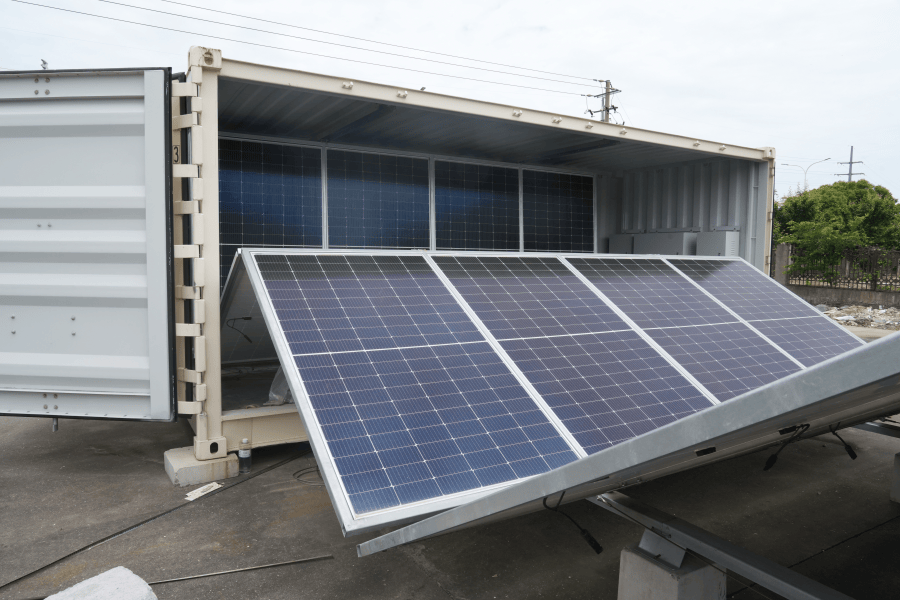
The Real Talk on C5-M Anti-Corrosion Containers for Your Eco-Resort's BESS
Honestly, if you're managing an eco-resort in California, the Mediterranean, or anywhere with salty air and big sustainability goals, you've probably felt this pinch. You need reliable, clean power, and a battery energy storage system (BESS) is a no-brainer. But then you look at that sleek, expensive container unit sitting?- right where the ocean spray hits it every afternoon. I've seen this firsthand on site: a perfectly good system in Hawaii where the enclosure started showing rust spots in under 18 months. It's not just an eyesore; it's a direct threat to your investment's lifespan and safety. That's where the conversation about C5-M anti-corrosion energy storage containers really begins. Let's grab a coffee and talk through the real benefits, the not-so-obvious drawbacks, and what it means for your bottom line.
Quick Navigation
- The Problem: Why Salt Air is a BESS's Worst Enemy
- The Solution: Enter C5-M Anti-Corrosion Protection
- The Tangible Benefits for Your Eco-Resort
- The Real-World Drawbacks & Considerations
- A Real-World Glimpse: A Coastal California Project
- Making the Choice: Is a C5-M Container Right for You?
The Problem: Why Salt Air is a BESS's Worst Enemy
It's not just about rust. Corrosion in a C4 or lower environment is a slow, systemic failure. According to a NREL report on BESS durability, corrosion is a leading factor in increased Levelized Cost of Storage (LCOS) C that's your total lifetime cost per kWh. Think about it: corrosion can creep into electrical connections, increasing resistance and causing hotspots. It can compromise the structural integrity of the container itself, and in a worst-case scenario, it can even breach the climate control system that keeps your battery cells at the perfect C-rate (charge/discharge rate). When the thermal management system fails because a corroded fan seized up, you're looking at accelerated battery degradation or, frankly, a safety event.
The Solution: Enter C5-M Anti-Corrosion Protection
So, what is C5-M? It's not a magic paint. It's a rigorous classification defined by standards like ISO 12944. A C5-M rating is specifically for marine and offshore atmospheres with high salinity. It means the entire container - from the steel substrate and weld seams to every bolt and bracket - is protected by a system designed to last 15-25 years in that harsh environment. This involves specialized surface preparation (like blast cleaning to Sa 2?), multiple layers of high-performance epoxy and polyurethane coatings, and sealed joints. For us at Highjoule, it's non-negotiable for any coastal or high-humidity resort deployment. Our containers are built to this spec and tested against UL 9540 and IEC 62933, because safety and durability are two sides of the same coin.

The Tangible Benefits for Your Eco-Resort
Let's break down why this matters for your business case:
- Extended Asset Life & Lower LCOS: This is the big one. By virtually eliminating corrosion-related failures, you stretch the operational life of your entire BESS. A system that lasts 20 years instead of 12 dramatically lowers your lifetime energy costs. You're protecting the core battery asset inside.
- Reduced Operational Hassle (OpEx): I've been to sites where maintenance teams are constantly touching up paint or replacing corroded components. A true C5-M system slashes this unplanned downtime and maintenance cost. Your team focuses on monitoring performance, not fighting rust.
- Uncompromised Safety & Compliance: Corrosion can hide and spread. A C5-M build ensures the enclosure continues to provide its designed fire rating, environmental seal, and structural stability. It future-proofs your compliance with local codes and insurance requirements, which in places like Florida or the EU are getting stricter.
- Brand Integrity Alignment: An eco-resort's brand is built on sustainability and quality. A visibly corroding energy container sends the wrong message. A well-maintained, durable system reinforces your commitment to a long-term, high-quality green investment.
The Real-World Drawbacks & Considerations
Now, let's be straight about the trade-offs. Nothing is a free lunch.
- Higher Upfront Capital Cost (CapEx): This is the most cited hurdle. A C5-M compliant container can add 15-25% to the enclosure cost compared to a standard C3 industrial unit. You're paying for specialized materials, labor, and certification testing.
- Supply Chain & Lead Time: Not every fabricator can do this right. It requires specific expertise and certified processes. This can mean longer lead times, especially during high-demand periods. You need a partner with a proven, reliable supply chain for these specialized builds.
- The "Over-Engineering" Risk: If your resort is in a dry, inland area (think Arizona or central Spain), a C5-M specification is likely overkill. You'd be paying a premium for a threat that isn't there. A proper site assessment is crucial.
- Repair Complexity: If the coating is damaged during transport or installation, repairing it to the original spec isn't a simple touch-up job. It requires bringing in certified specialists, which is a logistical and cost consideration.
A Real-World Glimpse: A Coastal California Project
Let me tell you about a project we did for a high-end eco-lodge just north of Big Sur. Their challenge was classic: stunning cliffs, perfect sun, and constant, salt-laden fog. They had a previous, non-specified container that showed significant corrosion in three years. For the replacement, we deployed a 500kW/1MWh Highjoule BESS in a C5-M container. The key details? We used a triple-layer coating system certified by the manufacturer for C5-M, all external hardware was 316-grade stainless steel, and we designed the HVAC intake with additional corrosion-resistant filters. Two years in, and the container looks and performs as it did on day one. The resort manager sleeps better knowing their peak shaving and backup power investment is protected. The thermal management system isn't fighting a losing battle against salty air intake.

Making the Choice: Is a C5-M Container Right for You?
So, how do you decide? It comes down to a simple risk vs. cost assessment. Ask yourself and your provider:
- What is my true site corrosivity category? (A professional assessment beats a guess).
- What is my planned asset lifespan? If it's 15+ years, the upfront cost of C5-M spreads out and the LCOS argument gets very strong.
- Can my provider prove it? Demand coating certificates, material specs, and ask for reference projects in similar environments. At Highjoule, we document this chain of custody for every unit.
The trend is clear. As BESS becomes a 20+ year infrastructure asset, especially in harsh environments, specifying the right protection from day one isn't an expense; it's the most logical form of insurance. The question isn't really "Can I afford a C5-M container?" but rather "Can I afford the accelerated degradation and unexpected OpEx of not having one?"
What's the one corrosion-related worry keeping you up at night about your resort's energy system?
Tags: Energy Storage Container UL Standard BESS LCOE Europe US Market Renewable Energy C5-M Corrosion Protection
Author
James Zhang
20+ years agricultural energy storage engineer / Highjoule CTO