
Optimizing Liquid-cooled 5MWh BESS for Agricultural Irrigation: A Practical Guide
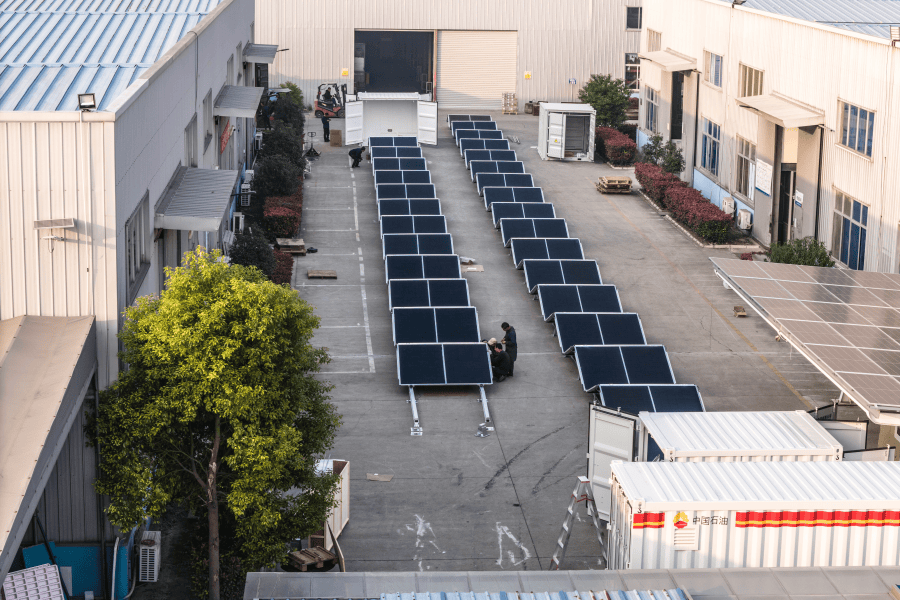
From Grid Strain to Green Gains: Optimizing Your 5MWh BESS for Farm Irrigation
Honestly, if you're managing a large-scale farm in California, Spain, or anywhere irrigation is your lifeline, you've felt the pinch. Skyrocketing demand charges during peak irrigation months, grid instability in remote areas, and the sheer unpredictability of energy costs can turn a promising season into a stressful one. I've been on-site, knee-deep in project commissioning, and I've seen firsthand how a poorly matched Battery Energy Storage System (BESS) can become an expensive paperweight instead of the profit-protecting asset it should be. The move to utility-scale storage for agriculture isn't just trendy; it's a financial necessity. But the real question isn't whether to get a BESS, but how to optimize it - specifically, a robust, liquid-cooled 5MWh system - for the brutal, unique demands of agricultural irrigation. Let's talk about how.
Quick Navigation
- The Real Problem: It's Not Just About Storing Power
- Why Liquid-Cooling Isn't a Luxury for Farms
- Your 5MWh BESS Optimization Checklist
- Case in Point: A 5MWh System in California's Central Valley
- Thinking Beyond the Battery Box
The Real Problem: It's Not Just About Storing Power
Many farm operators think of a BESS as a simple bucket: you fill it with cheap solar or night-time grid power, and you empty it when your pumps need to run. If only it were that simple. The agitation comes from the real-world operating environment. Agricultural irrigation isn't a gentle, predictable load. Starting large pump motors creates massive inrush currents - think of it as a sudden, huge demand spike that stresses battery cells. Furthermore, irrigation season often coincides with the hottest months. According to a NREL study, battery degradation can double for every 10C increase above optimal operating temperature. So, you've got a system facing electrical stress, thermal stress, and it's often sitting in a dusty field under the blazing sun. An air-cooled system might struggle to keep up, leading to reduced lifespan, safety concerns, and a much higher Levelized Cost of Storage (LCOS) - the true measure of your investment's value.
Why Liquid-Cooling Isn't a Luxury for Farms
This is where the solution starts to crystallize. For a 5MWh utility-scale system destined for farm duty, liquid-cooling isn't an optional upgrade; it's the foundational choice for optimization. Here's the plain-English, on-site reason why: precision and resilience.
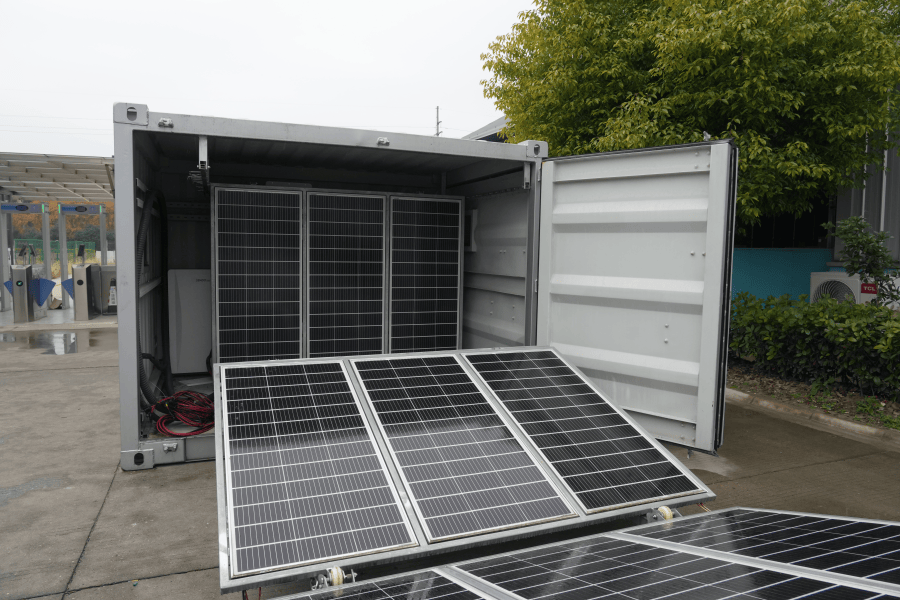
An air-cooled system blows ambient air over battery racks. On a 100F (38C) day in a dusty almond orchard, you're blowing hot, particulate-filled air over your most expensive component. Liquid-cooling, like the closed-loop systems we design at Highjoule, uses a coolant to directly absorb heat from the cell surfaces. It's like a dedicated, sealed air-conditioning system for each cell bank. This allows for:
- Uniform Temperature Control: Eliminates hot spots within the battery pack, which is the primary culprit for accelerated degradation.
- Dust and Contaminant Immunity: The critical thermal system is sealed. Dust, pollen, and agricultural chemicals stay outside where they belong.
- Higher C-Rate Capability: This is key for irrigation. "C-Rate" simply means how fast you can charge or discharge the battery. A higher C-Rate (like 1C or more) means your system can deliver that huge burst of power to start pumps without breaking a sweat. Liquid cooling enables sustained high C-Rate performance by whisking away the intense heat generated during those high-power events.
Your 5MWh BESS Optimization Checklist
Okay, so liquid-cooling is your base. But optimization goes deeper. Based on my two decades of deploying these systems globally, here's what you need to align with your irrigation load profile:
| Optimization Focus | What It Means for Your Farm | Key Standard/Consideration |
|---|---|---|
| Thermal Management Tuning | Setpoints should be aggressive for summer. Don't let cells creep above 25C (77F) ambient. This preserves cycle life. | IEC 62933-5-2 (Safety for Grid Applications) |
| Cycling Strategy (C-Rate & Depth of Discharge) | Coordinate with your pump schedule. Avoid 100% depth of discharge daily. A 70-80% DoD with a high, brief C-rate for pump start is better than a slow, deep drain. | Based on battery chemistry specs (e.g., LFP) |
| Grid Interaction & Safety | Your system must "talk" safely to the grid during off-peak charging. This is non-negotiable. | UL 9540 (ESS Standard), IEEE 1547 (Grid Interconnection) |
| Environmental Hardening | Beyond cooling, the enclosure must resist corrosion, dust (IP54 minimum), and have proper fire suppression. | UL 9540A (Fire Safety Test), IP Rating |
Case in Point: A 5MWh System in California's Central Valley
Let me give you a real example. We deployed a 5MWh liquid-cooled BESS for a 500-acre vineyard client last year. Their pain points were classic: $45,000 monthly demand charges in summer, unreliable grid voltage during heatwaves causing pump shutdowns, and a solar array that produced power out of sync with their nighttime irrigation window.
The optimization we implemented wasn't just plug-and-play. We: 1. Profiled the Load: We logged their pump station power for two weeks. The data showed a need for a 2MW (0.4C) discharge for 15 minutes to get everything running, settling to a 1MW steady state. 2. Customized the Thermal Curve: We pre-cooled the battery to 18C before the scheduled 4 AM irrigation start, ensuring maximum power availability. 3. Integrated Controls: The BESS controller directly talks to their irrigation SCADA system. It uses forecasted weather and electricity prices to decide when to charge from the grid vs. solar, and when to dispatch.
The result? They've cut their demand charges by over 60%, eliminated grid-related pump trips, and are on track for a 7-year LCOS payback - far better than the 10+ years they were quoted for a less optimized, air-cooled alternative. The system's performance, honestly, has been rock-solid because it was built for the specific stress of the job.
Thinking Beyond the Battery Box
Finally, true optimization extends beyond the container. It's about partnership and long-term thinking. When you evaluate a provider, ask: Do they understand agricultural load cycles? Can they provide localized service and support? At Highjoule, our design philosophy has always been to engineer for the lowest possible LCOE over a 15-year lifespan. That means we think about the total cost - from the efficiency gains of our liquid-cooling design (which reduces auxiliary power draw compared to giant HVAC units) to the safety assurance of UL 9540/9540A certification, to the software that lets you easily adapt your dispatch strategy as electricity tariffs or your crop rotation changes.
The goal isn't to sell you a battery. It's to deliver a predictable, reliable energy asset for your farm. So, what does your current irrigation power cost look like on the hottest month of the year, and how much of that is under your control?
Tags: UL Standard BESS LCOE Europe US Market Thermal Management Agricultural Irrigation Renewable Energy IEC Standard Utility-Scale Liquid-Cooled
Author
James Zhang
20+ years agricultural energy storage engineer / Highjoule CTO