
215kWh Industrial ESS Container for Construction: The Ultimate On-Site Power Guide
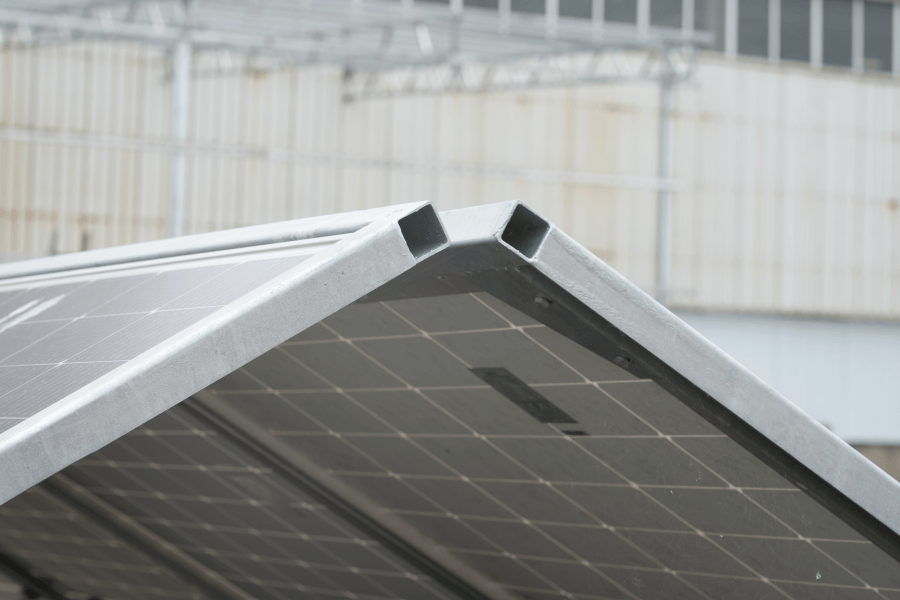
The Ultimate Guide to 215kWh Cabinet Industrial ESS Container for Construction Site Power
Hey there. Let's be honest, if you're managing a construction site in the US or Europe right now, you're probably wrestling with two big headaches: the insane, unpredictable cost of diesel for generators and the maddening complexity of getting a reliable, permanent grid connection to a temporary site. I've been on hundreds of sites over the years, and I've seen the piles of fuel receipts and heard the frustrated calls about delayed inspections because the temporary power dropped again. It's a real problem.
But here's the thing I've seen change firsthand on site: the game is shifting from just supplying power to managing it intelligently. And that's where a purpose-built Industrial Energy Storage System (ESS) comes in, specifically the kind packaged in a robust, plug-and-play container. Today, I want to cut through the noise and talk about why a 215kWh cabinet-style ESS container is becoming the go-to solution for savvy project managers. We'll look at the real pain points, some hard data, a project I was personally involved with in Texas, and break down the tech in plain English.
Quick Navigation
- The Real Problem: It's More Than Just Fuel Costs
- Why 215kWh? The Sweet Spot for Mobile Power
- Beyond the Battery: What Makes a Truly Site-Ready Container?
- Case in Point: A 215kWh ESS on a Texas Commercial Build
- Making the Move: Key Considerations for Your Site
The Real Problem: It's More Than Just Fuel Costs
Sure, diesel prices are volatile. The U.S. Energy Information Administration (EIA) has shown fluctuations that can blow a project's budget quarter-to-quarter. But the problem is deeper. It's about operational fragility. A diesel generator is a single point of failure. When it needs service or runs out of fuel, everything stops C cranes, tools, lighting, security systems. The lost labor hours alone are a killer.
Then there's the noise and emissions compliance. In more and more urban areas in Europe and parts of California, running a diesel gen-set 24/7 just isn't an option anymore due to strict local ordinances. You face fines and community pushback. And let's not forget the carbon footprint C something more and more clients are demanding be reduced in their project lifecycle.
The traditional answer, "temporary grid power," often involves months of paperwork, expensive demand charges, and infrastructure work for a connection you'll only use for a year. It's overkill.
Why 215kWh? The Sweet Spot for Mobile Power
You might see bigger systems out there. So why focus on a 215kWh unit? From my two decades in the field, this capacity hits a practical sweet spot for many mid-sized to large construction sites.
Think of it this way: 215kWh is enough energy to power a suite of high-demand tools, site offices, and critical lighting for a full shift, or to provide essential overnight power for security and charging. It's not meant to replace a 2MW generator for pouring concrete 24/7. Instead, it's perfect for load-shifting and peak shaving. You can pair it with a smaller, more efficient generator or a temporary grid connection. The ESS handles the base load and sudden spikes (like a large saw starting up), allowing the generator to run at its optimal, fuel-efficient rate or letting you avoid costly peak demand tariffs from the utility.
This directly attacks your Levelized Cost of Energy (LCOE) C the total lifetime cost of your power. By slashing fuel consumption and generator runtime by 50-70% in a hybrid setup, the ROI on the ESS becomes clear very quickly. Honestly, on some of our deployments, clients see payback in under 3 years just on fuel savings.
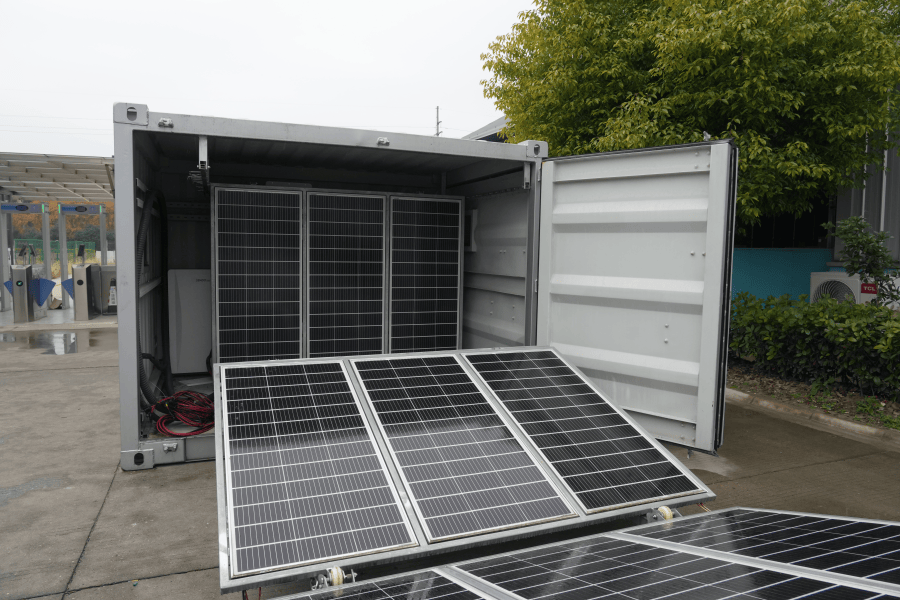
Beyond the Battery: What Makes a Truly Site-Ready Container?
Anyone can put batteries in a box. Deploying one on a rough, dusty, and dynamic construction site is a different story. This is where the engineering and standards matter immensely.
First, safety is non-negotiable. The system must be built to UL 9540 (the standard for ESS safety) and UL 1973 (for batteries). For us at Highjoule, this isn't just a checkbox. It means designing with thermal runaway prevention in mind, using robust, automotive-grade lithium-ion cells with a prudent C-rate (that's the charge/discharge speed C we keep it conservative for longevity and safety), and integrating a multi-layer thermal management system that works in both Arizona heat and Norwegian winters.
Second, the container itself. It needs to be weatherproof (IP54 minimum), have proper ventilation, and be tough enough to be lifted by a crane and sit on uneven ground. All electrical components need to be rated for industrial environments. The best systems, like the ones we engineer, come with a built-in power conversion system (PCS) and energy management system (EMS) that lets you monitor and control everything from a simple tablet on site or remotely from your office.
Key Features of a Site-Ready ESS Container:
- UL 9540 / IEC 62485-2 Certified: Meets the highest US and international safety benchmarks.
- Integrated Thermal Management: Active liquid cooling or advanced air conditioning for cell longevity.
- Grid-Forming Capability: Can create a stable "grid" for sensitive tools if the main source fails.
- Plug-and-Play Interfaces: Standardized connections for generators, solar arrays (great for daytime tool power!), and the main distribution panel.
Case in Point: A 215kWh ESS on a Texas Commercial Build
Let me give you a real example. We worked with a general contractor on a 12-story commercial build in Austin. Their challenge was noise restrictions after 7 PM and on weekends, but they needed power for overnight security, material charging (for electric site vehicles), and weekend work by smaller crews.
Their existing 100kW diesel generator was too loud and expensive to run continuously. Our solution? We deployed one of our 215kWh cabinet containers alongside a new, smaller 50kW silent-pack generator. The system was configured so the ESS handled all overnight and weekend low-power loads automatically. The generator only kicked in for a few hours each morning to recharge the batteries and support the initial high-power tool startup, running at its most efficient load.
The result? A 65% reduction in diesel fuel consumption, elimination of noise complaints, and the project manager told me they were saving about $2,800 a month on fuel and maintenance. The system paid for itself well before the project finished. Plus, they now own a mobile power asset they can move to their next job site.
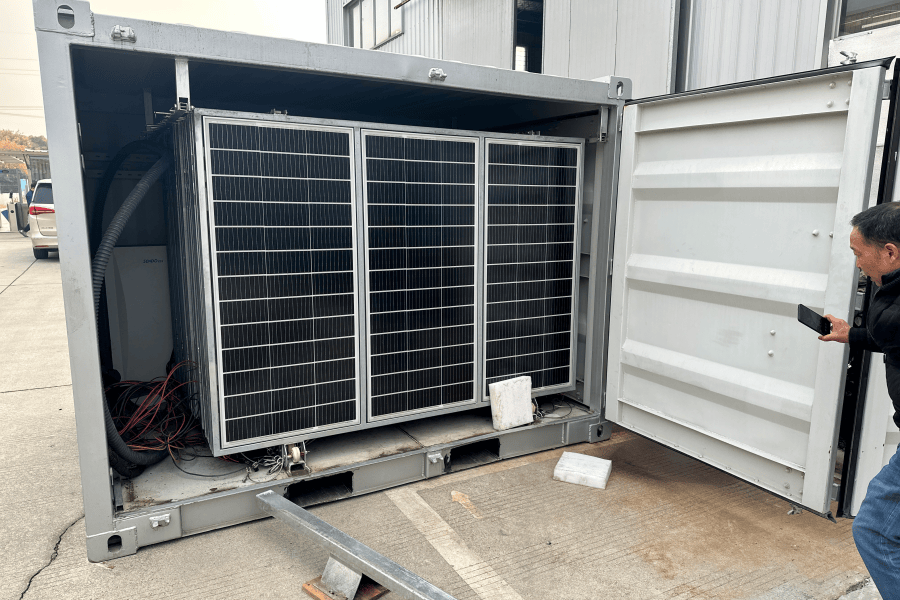
Making the Move: Key Considerations for Your Site
Thinking about this for your next project? Here's my advice from the field. Don't just look at the sticker price of the unit. Model your total energy cost.
Start by logging your generator's fuel consumption for a typical week. Get a quote for a temporary power connection, including all demand charges. Then, talk to a reputable provider like Highjoule (yes, I'm biased, but for a reason) who can do a proper load analysis and simulate a hybrid system for you. Ask them:
- How is the system certified for my region (UL, IEEE 1547 for grid interconnection)?
- What does the thermal management look like, and what's the expected battery degradation over 10 years?
- What's the deployment and commissioning timeline? Can your team handle it, or do they offer turnkey local support?
- What happens after the sale? Is there remote monitoring and local service available?
The shift to smarter, cleaner site power isn't just coming; it's already here. The right 215kWh ESS isn't an expense; it's a productivity tool that reduces risk, cost, and hassle. What's the one power-related delay that's currently costing you the most on your site?
Tags: UL Standard BESS LCOE Energy Storage Construction Power Renewable Energy US Europe Market Industrial ESS
Author
James Zhang
20+ years agricultural energy storage engineer / Highjoule CTO