
Environmental Impact of 5MWh BESS for Rural Electrification in Philippines
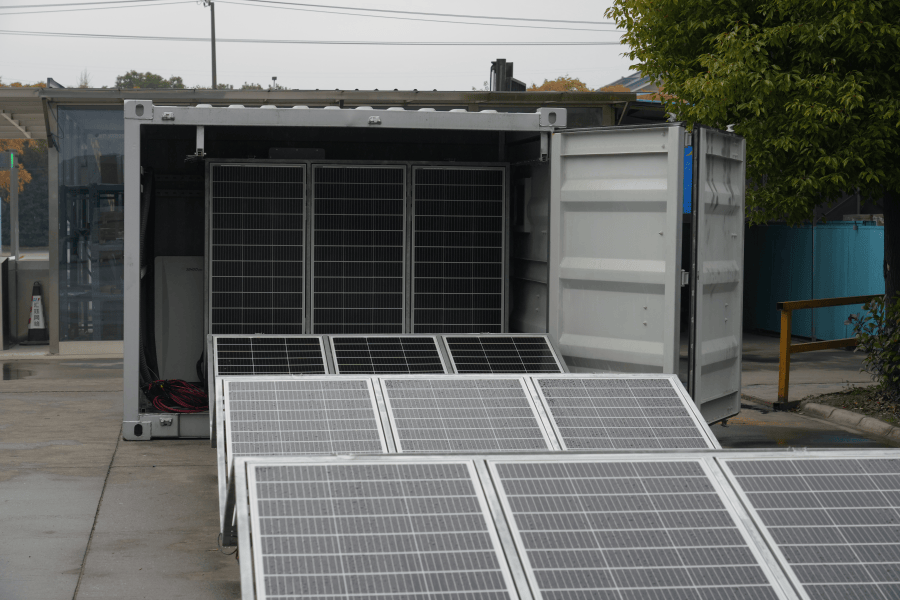
The Real Environmental Footprint of a 5MWh BESS: Lessons from the Field for Global Electrification
Honestly, when we talk about the "environmental impact" of battery energy storage systems (BESS), especially for large-scale projects like rural electrification, the conversation in boardrooms often gets stuck on one thing: carbon emissions during manufacturing. But after two decades on sites from California to Southeast Asia, I can tell you that's just the tip of the iceberg. The real environmental story is written over the system's entire lifetime, in how it's built, deployed, and how it enables a cleaner grid. Let's chat about what that actually looks like, using a project close to my heart: deploying an all-in-one, integrated 5MWh utility-scale BESS for rural electrification in the Philippines.
Table of Contents
- The Problem We're Not Talking About Enough
- Why Remote Deployment is a Different Beast
- The Integrated Solution: More Than Just a Box of Batteries
- A Case Study in Context: The Philippine Island Microgrid
- Breaking Down the "Real" Environmental Impact
- What This Means for Your Project Back Home
The Problem We're Not Talking About Enough
Here's the core issue I've seen firsthand: the environmental calculus for BESS in developed markets often misses the "project lifecycle" view. We obsess over cell chemistry (rightfully so), but we underestimate the impact of inefficient deployment, suboptimal system design, and a short operational life. According to the International Energy Agency (IEA), global energy storage capacity needs to expand massively to meet net-zero goals. But if we deploy that capacity in a way that's resource-heavy, prone to failure, or difficult to recycle, we're solving one problem while creating others.
The aggravation? This becomes tenfold in challenging environments like rural electrification. A standard, non-integrated BESS designed for a temperate, flat, grid-connected site in Europe might become an environmental liability when shipped piecemeal to a tropical, remote location. The carbon cost of multiple shipments, the potential for damage leading to waste, the need for complex on-site civil works - all these factors silently inflate the true environmental footprint.
Why Remote Deployment is a Different Beast
Let's get specific. In the Philippines' island communities, you're not dealing with a prepared substation pad. You're looking at high humidity, salt spray, limited skilled labor, and a reliance on expensive, polluting diesel generators. The traditional approach - shipping containers, power conversion systems (PCS), climate control units, and medium-voltage gear separately - creates a logistical and environmental nightmare. I've seen sites where delayed components sat exposed to the elements, or where integration errors led to thermal inefficiencies that slashed system lifespan and performance.
This isn't just about cost overruns; it's about embedded carbon waste. A system that lasts 10 years instead of 15, or one that operates at a lower round-trip efficiency, forces you to "consume" more infrastructure over time to deliver the same energy service. That's the hidden environmental cost.
The Integrated Solution: More Than Just a Box of Batteries
This is where the philosophy behind an all-in-one, containerized 5MWh BESS changes the game. The solution isn't a magic battery chemistry; it's a systems engineering approach that prioritizes lifecycle efficiency. At Highjoule, when we developed our integrated utility-scale platform, the goal was to minimize on-site environmental disturbance and maximize operational longevity from the start.
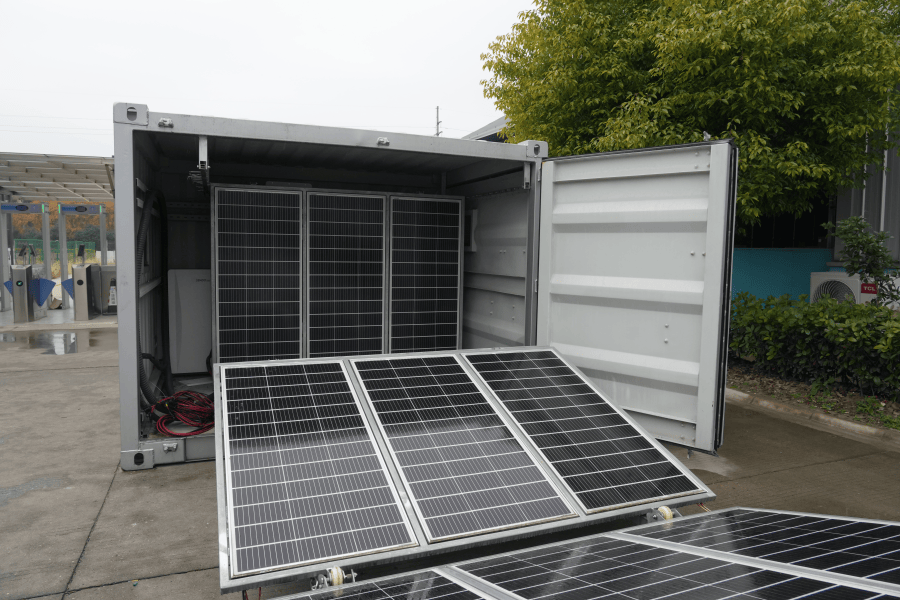
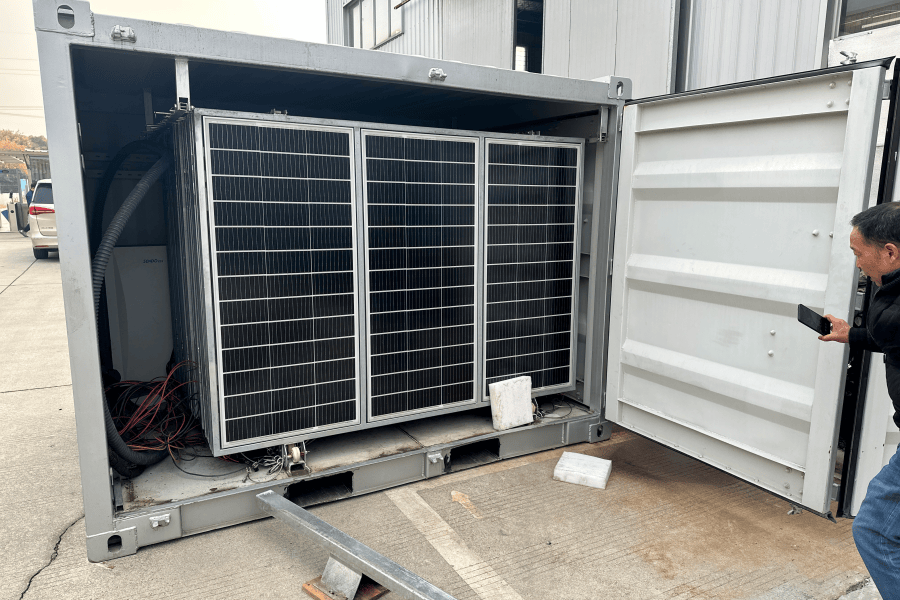
Think of it like this: instead of building a house on-site from loose bricks, lumber, and pipes, you deliver a precision-engineered, weather-tight module. Everything - UL 9540-certified battery racks, UL 1741-SA compliant PCS, advanced thermal management with fire suppression, and MV transformers - is pre-integrated and tested in a controlled factory setting. This reduces on-site construction by up to 70%, cutting down noise, dust, local habitat disruption, and fuel use from construction equipment.
A Case Study in Context: The Philippine Island Microgrid
Let me walk you through a recent project. A remote island community was dependent on a 2MW diesel plant, with fuel costs soaring and reliability poor. The goal was to integrate solar PV and cut diesel use by over 80%. The challenge? Limited space, a corrosive marine environment, and no local BESS experts.
We deployed two of our all-in-one 5MWh containers. Because they were pre-assembled, they were shipped in two loads instead of eight. On-site, they were placed on simple gravel pads, with connection points pre-marked. The advanced thermal management system - which we tune for high ambient temperatures - ensures the cells operate within a 25C 5C window consistently. Honestly, this is critical. Every 10C increase above this range can halve cycle life, a direct environmental hit from wasted resources.
The result? The system seamlessly integrates variable solar output, allowing the diesel gensets to switch off for most of the day. The local utility now reports a drastic drop in fuel shipments - a direct reduction in maritime transport emissions - and the community has 24/7 reliable power. The BESS's design life is 15 years, but with this controlled environment, we're projecting a much longer useful life, delaying the recycling phase.
Breaking Down the "Real" Environmental Impact
So, what's the actual environmental impact breakdown of such a system?
- Manufacturing & Embedded Carbon: Yes, this is the largest share. But an integrated design often uses fewer materials overall (less structural steel, consolidated wiring) and ensures higher-quality manufacturing control, reducing defect-related waste.
- Deployment & Logistics: This is where the big win is. Fewer shipments, less on-site work, and no need for large concrete foundations significantly reduce the project's immediate local and logistical footprint.
- Operational Efficiency: This is the multi-decade payoff. A high round-trip efficiency (say, 94% vs. 89%) means less energy is wasted as heat. Our systems use a liquid-cooled thermal management design that's far more efficient and uniform than air-cooling, directly extending life and reducing the Levelized Cost of Storage (LCOS). A lower LCOS means clean energy storage is more economically viable, accelerating the displacement of fossil fuels.
- End-of-Life & Recyclability: A standardized, modular design makes decommissioning and sorting components for recycling simpler. We design with disassembly in mind, a principle that's becoming as important as assembly.
What This Means for Your Project Back Home
You might be thinking, "This is about the Philippines, but my project is in Texas or Germany." The principles are universal. Whether you're looking at grid support, peak shaving, or integrating a wind farm, the environmental and economic benefits of a simplified, robust, long-life system are the same.
The standards we build to - UL, IEC, IEEE - aren't just checkboxes. They're blueprints for safety, reliability, and by extension, sustainability. A system that catches fire or fails early is the ultimate environmental disaster. Our integrated approach, with built-in safety systems and rigorous factory testing, is our first and best line of defense against that.
The key takeaway? When evaluating the environmental impact of a BESS, don't just ask for an LCA report on the cells. Ask about the total system design, deployment methodology, and projected operational lifespan in your specific climate. The right integrated solution doesn't just store energy; it safeguards the resources used to create it and maximizes its clean energy potential for decades. That's the kind of impact we should all be aiming for.
What's the biggest deployment challenge you're facing in your next storage project?
Tags: UL Standard BESS LCOE Rural Electrification Microgrid Utility-Scale Energy Storage IEC Standard Environmental Impact Philippines
Author
James Zhang
20+ years agricultural energy storage engineer / Highjoule CTO