
Environmental Impact of C5-M Anti-corrosion Lithium Battery Storage Container for Eco-resorts
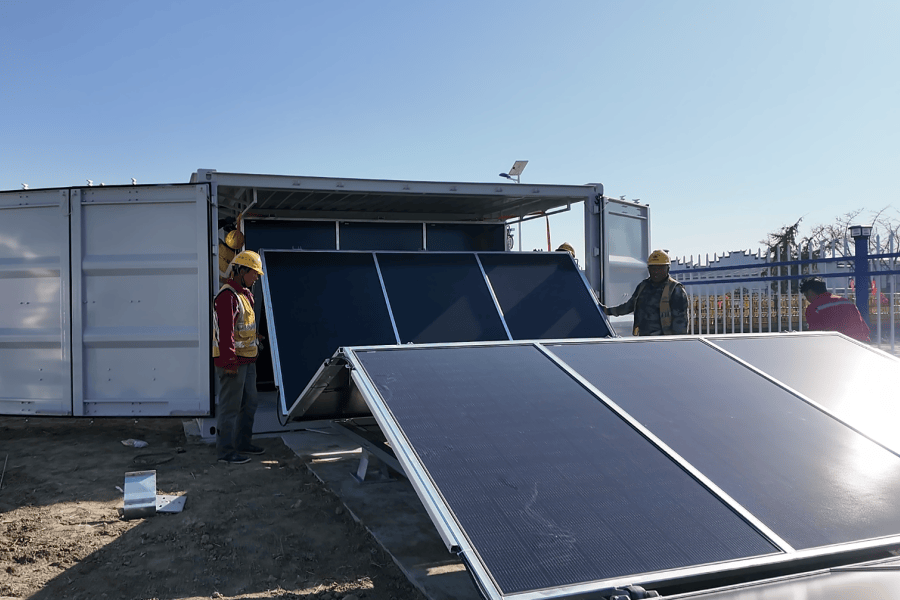
Beyond the Greenwash: The Real Environmental Footprint of Your Eco-Resort's Battery Storage
Honestly, if I had a dollar for every time a resort developer told me they wanted a "green" battery system, only to focus solely on the power electronics inside, I'd be writing this from my own private island. The conversation usually goes straight to cycle life and efficiency C which are critical, don't get me wrong. But there's a massive, often overlooked piece of the puzzle sitting right there in the elements: the storage container itself. For eco-resorts in coastal or humid zones, the environmental impact of your Battery Energy Storage System (BESS) starts with the box it lives in. A standard steel container rusting out in five years isn't just a maintenance headache; it's a sustainability failure. Let's talk about why the C5-M anti-corrosion standard for lithium battery containers isn't a luxury C it's a core component of your resort's genuine environmental commitment.
Quick Navigation
- The Hidden Cost of a Rusty Box
- By the Numbers: The Lifecycle Reality
- Case in Point: A Mediterranean Lesson
- C5-M Decoded: More Than Just Paint
- The Real LCOE Game-Changer for Resorts
- Looking Beyond the Spec Sheet
The Hidden Cost of a Rusty Box
I've seen this firsthand on sites from the Florida Keys to the Greek islands. The environment at a beautiful eco-resort is, ironically, brutal for industrial equipment. Salt spray, constant high humidity, and UV exposure are like a triple threat. A standard ISO container might get you through commissioning, but the corrosion starts almost immediately. This isn't just cosmetic. Compromised structural integrity can lead to seal failures, letting moisture and particulate matter into the most critical area: the battery rack environment. Suddenly, your state-of-the-art lithium-ion cells are fighting condensation and contaminants. Thermal management systems work harder, safety margins shrink, and the risk of premature failure or derating skyrockets. You didn't invest in storage to constantly baby it or replace it a decade early.
By the Numbers: The Lifecycle Reality
Let's ground this in data. The National Renewable Energy Lab (NREL) has done extensive work on BESS lifecycle assessments. Their models show that the balance of system (which includes the enclosure) can contribute 15-30% of the total embodied carbon of a storage installation. Now, think about the lifecycle. If the core battery system is designed for 15-20 years, but its protective shell fails in half that time, you're forced into a full container replacement. That means double the manufacturing emissions, double the transportation logistics, and double the site disruption. According to IRENA, the global weighted average levelized cost of storage (LCOS) is falling, but premature infrastructure replacement is a surefire way to keep your personal LCOS stubbornly high. It turns the "sustainable" investment into a resource-intensive cycle.
Case in Point: A Mediterranean Lesson
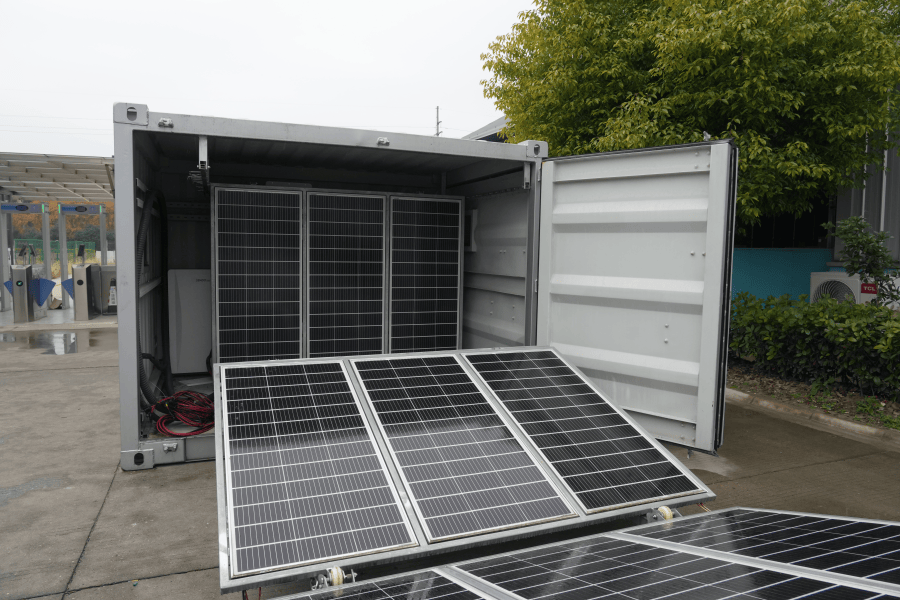
We worked with a high-end eco-resort on the coast of Sardinia a few years back. Their goal was 100% daytime solar independence. They installed a 1.2 MWh system using a standard, off-the-shelf storage container. Within 18 months, we were getting calls about alarm codes. On site, I found significant corrosion on the door hinges and lower panel seams. The internal climate control was fighting a losing battle, and we measured a noticeable increase in auxiliary power draw just to keep humidity down. The resort faced a terrible choice: undertake a major, disruptive container retrofit or risk the integrity of their entire storage asset. This is the exact scenario the C5-M anti-corrosion standard is designed to prevent. At Highjoule, we now mandate this as a base specification for any coastal or high-humidity deployment. It's not an add-on; it's fundamental to the system's promised lifespan.
C5-M Decoded: More Than Just Paint
So, what is C5-M? I like to explain it as a system, not a product. The "C5" refers to a very high corrosivity category (industrial and coastal areas with high salinity). The "M" stands for marine. The standard, aligned with ISO 12944, dictates a rigorous process:
- Surface Preparation: It starts with abrasive blast cleaning to a near-white metal finish (Sa 2?). This is miles beyond simple sanding.
- Primer & Coating System: We're talking about a multi-layer, high-build epoxy and polyurethane system, often with zinc-rich primers for cathodic protection. Total dry film thickness can exceed 320 microns.
- Sealant Philosophy: Every weld, seam, and fastener is treated as a potential failure point. The sealing strategy is holistic.
The result? A container built to withstand the environment for 15-25 years before first major maintenance. This directly protects the sensitive thermal management system inside - if the container's insulation and seals are intact, the HVAC doesn't work overtime, saving energy and wear.
The Real LCOE Game-Changer for Resorts
This is where the financial and environmental arguments merge beautifully. Levelized Cost of Energy (LCOE) for your storage asset is calculated over its lifetime. A C5-M container extends that denominator. By ensuring the enclosure lasts as long as the battery cells inside, you avoid a massive mid-life capital outlay. You also minimize operational costs: less frequent inspections for corrosion, lower auxiliary energy consumption for climate control, and reduced risk of downtime from environmental ingress. For a resort, downtime isn't just a technical issue; it's a guest experience issue. Can you afford a power quality event during peak season because a corroded connection tripped a safety system? I've seen the math on dozens of projects. The premium for a C5-M container upfront is almost always offset by the avoided costs over a 20-year horizon. It's the definition of a sustainable investment.
Looking Beyond the Spec Sheet: The Highjoule Approach
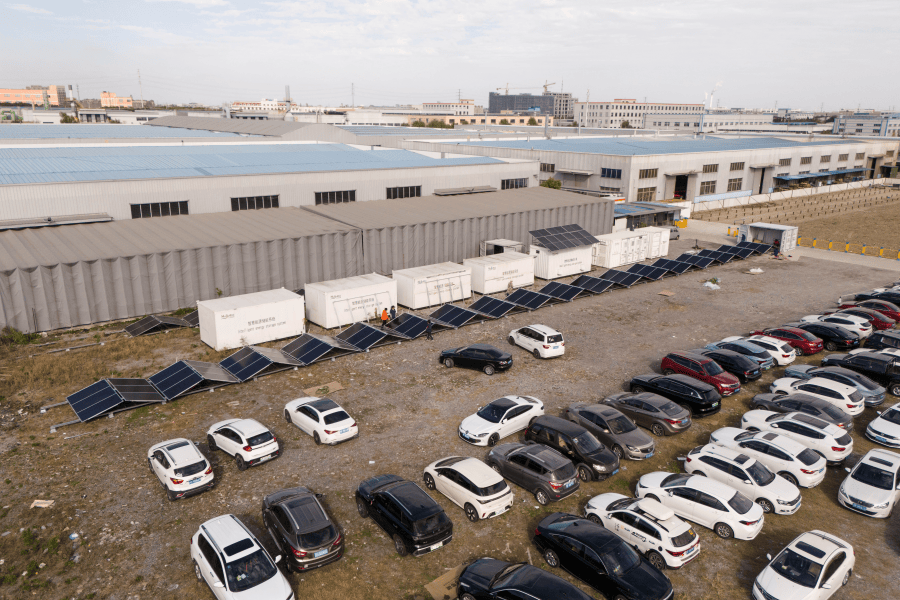
Any manufacturer can claim they use "anti-corrosion paint." At Highjoule, our experience tells us verification is everything. For our eco-resort clients, we don't just source a C5-M container; we integrate it from day one. This means:
- Designing for the Whole Environment: We model airflow, thermal loads, and potential moisture traps with the container's properties as a key input.
- Standards as a Baseline: C5-M is our starting point. All our integrated BESS solutions are designed and tested to meet UL 9540 and IEC 62933 standards, with the enclosure being a critical part of that safety certification.
- Localized Deployment Wisdom: What works in Arizona is not right for the Caribbean. Our site assessment includes a specific corrosivity audit, which directly informs the enclosure specification and our long-term service plan.
The goal is to deliver an asset that performs reliably, safely, and sustainably for its entire intended life. That's what truly reduces environmental impact - building something once and building it right.
So, the next time you're evaluating storage for your eco-resort, open the conversation with the container. Ask for the corrosion certification. Drill into the lifecycle warranty. Because the greenest kilowatt-hour is the one that comes from a system built to last, without constant repair and replacement. What's the corrosivity category of your planned site, and how is your storage provider planning for it?
Tags: UL Standard BESS LCOE Europe US Market Renewable Energy C5-M Anti-Corrosion Eco-Resort
Author
James Zhang
20+ years agricultural energy storage engineer / Highjoule CTO