
All-In-One Hybrid Solar-Diesel Systems for High-Altitude Energy: Benefits, Drawbacks & Real-World Insights
Contents
- The High-Altitude Energy Challenge Isn't Just Thin Air
- The All-In-One Answer: A Closer Look at the Integrated Hybrid System
- Tangible Benefits When You're Up on the Mountain
- The Real Drawbacks & Considerations (No Sugarcoating)
- A Case in Point: Making It Work in the Real World
- Making the Right Call: An Expert's Final Thoughts
The High-Altitude Energy Challenge Isn't Just Thin Air
Honestly, when we talk about powering remote sites - think telecom towers, mining camps, or research stations above 2,500 meters - the conversation gets real, real fast. I've been on-site in the Rockies and the Andes, and the challenges aren't theoretical. You're dealing with extreme temperature swings, from blistering daytime sun to freezing nights, which wreak havoc on standard equipment. Logistics are a nightmare; getting multiple separate components - solar arrays, diesel gensets, battery banks, controllers - up a mountain on unreliable roads is a cost and scheduling black hole. And then there's reliability. A single point of failure in a complex, custom-built system can mean days of downtime and exorbitant repair costs. The traditional approach of piecing together a hybrid system on-site feels like building a watch while wearing mittens.
The All-In-One Answer: A Closer Look at the Integrated Hybrid System
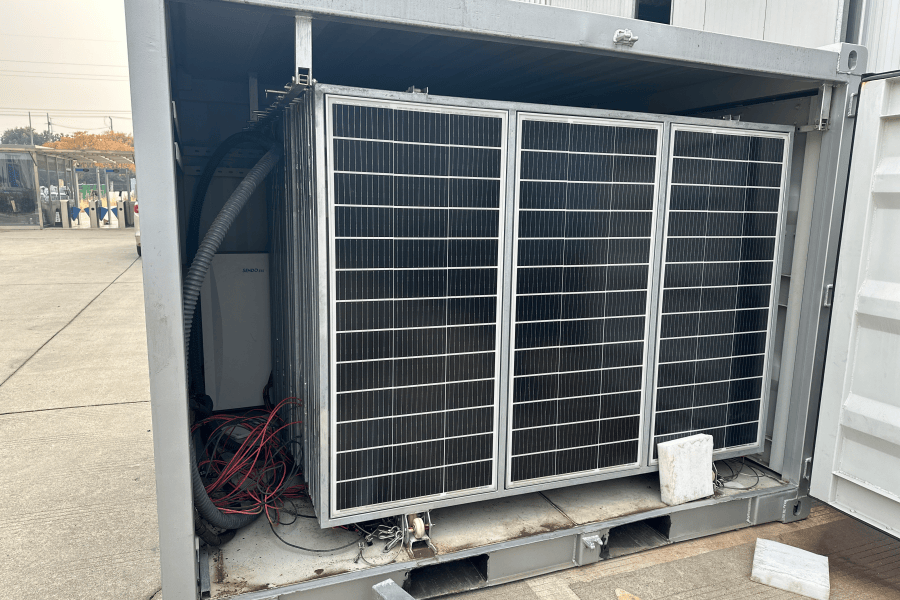
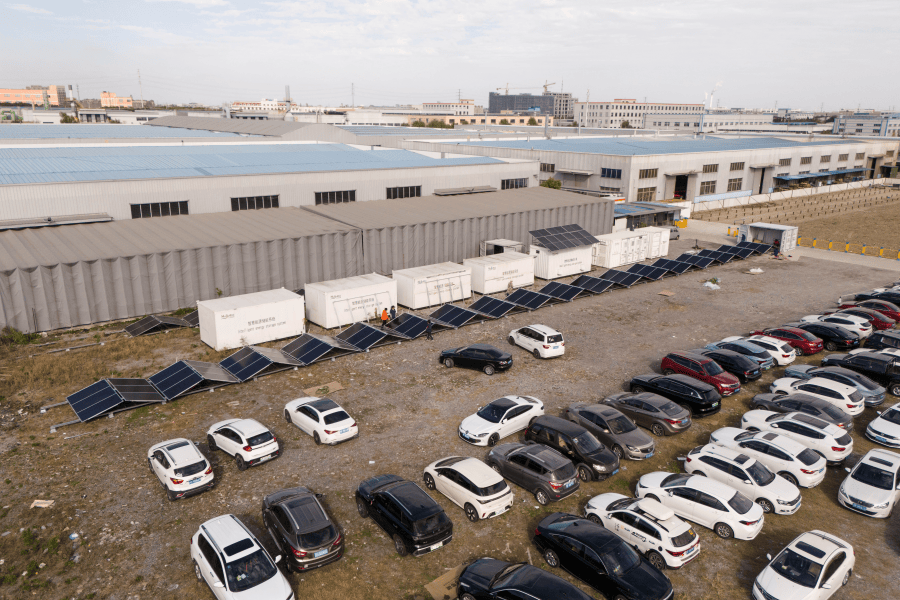
This is where the all-in-one, containerized hybrid solar-diesel system comes in. Imagine a solution where the solar inverters, high-density battery storage, advanced diesel generator controller, and energy management system (EMS) are all pre-integrated, tested, and shipped in a single, ruggedized enclosure. It's not just putting components in a box; it's about designing them from the ground up to talk to each other seamlessly. The core idea is to maximize solar harvest - which, by the way, can be more intense at high altitudes - and use the batteries and diesel genest in an optimized dance to minimize fuel burn. According to a NREL analysis, well-designed hybrid systems can reduce diesel consumption by 40-80% compared to genset-only operation. That's the promise.

Tangible Benefits When You're Up on the Mountain
Let's break down the real advantages I've seen firsthand:
- Radically Simplified Deployment: This is the big one. You're essentially doing a "plug-and-play" installation. One or two lifts, connection to your solar field and fuel supply, and you're commissioning. This slashes installation time and cost by up to 50% in these tough environments.
- Predictable Performance & Lower LCOE: Levelized Cost of Energy (LCOE) is the king metric for any off-grid operator. Because the system is pre-engineered and tested under one roof, its performance is predictable. The intelligent EMS prioritizes cheap solar power, uses the battery for daily cycling, and only kicks in the diesel as a last resort or for peak shaving. This optimized operation directly drives down your lifetime energy cost.
- Enhanced Reliability & Safety: A unified system means unified safety. Think of it as a single, UL 9540-certified ecosystem rather than a collection of components with potential compatibility gaps. The thermal management system is designed for the entire container, keeping lithium-ion batteries in their ideal temperature range despite external extremes - a non-negotiable for longevity and safety. High C-rate batteries (their charge/discharge speed capability) paired with smart controls mean the system can respond instantly to load changes, preventing disruptive genset starts.
The Real Drawbacks & Considerations (No Sugarcoating)
It's not a magic bullet. You need to go in with eyes wide open:
- Higher Upfront Capital Cost: The engineering, integration, and robust housing come at a premium. You're paying for convenience and reliability upfront. The business case hinges on the total lifecycle savings from fuel, maintenance, and downtime avoidance.
- Scalability Can Be Less Flexible: Need to significantly expand capacity in 5 years? With a modular, component-based system, you might just add more batteries or solar. With an all-in-one, you might need a second complete container. This requires careful future-proofing in the initial design phase.
- Specialized Service & Maintenance: While the system is simpler to install, it can be more complex to repair if a core internal component fails. You need a provider, like Highjoule, with a strong global service network and the ability to provide advanced remote diagnostics and rapid part dispatch. You're buying into a vendor relationship.
A Case in Point: Making It Work in the Real World
Let me give you a concrete example from a project we supported in the Sierra Nevada. A remote ecological research station was running on aging, unreliable diesel generators. Fuel costs were astronomical, and noise/pollution contradicted their mission. They needed 24/7 power for sensitive instruments.
The challenge? A six-month annual access window, extreme snow loads, and a requirement for near-silent operation during critical data collection periods. We deployed a single 250kW/500kWh all-in-one hybrid container. The solar array feeds it; the system's brain runs on a sophisticated algorithm that prioritizes battery use during "quiet hours." The diesel genset, now just a backup and battery top-up source, runs less than 10 hours a week, down from 24/7. The key to success was the pre-deployment simulation using local weather data and the container's built-in, climate-controlled environment that keeps the battery efficiency above 95% year-round.
Making the Right Call: An Expert's Final Thoughts
So, is an all-in-one hybrid system right for your high-altitude project? Ask yourself these questions: Is total cost of ownership over 10 years more important than the lowest possible sticker price today? Is deployment speed and simplicity critical due to site access or weather windows? Do you lack the local expertise to design and maintain a complex, multi-vendor system?
If you answered yes, then this integrated path is worth serious consideration. The technology isn't just about hardware; it's about delivering predictable, clean-ish power where it's hardest to do so. At Highjoule, our focus has been on engineering these containers not just to meet UL and IEC standards, but to surpass the real-world durability and serviceability requirements of these brutal environments. Because in the end, the best system is the one that works silently, reliably, and efficiently for years - no matter how thin the air gets.
What's the single biggest operational cost headache at your remote site right now?
Tags: UL Standard BESS LCOE Renewable Energy Hybrid Energy Systems Solar-Diesel High-Altitude Power
Author
James Zhang
20+ years agricultural energy storage engineer / Highjoule CTO