
Rapid Deployment BESS for Remote Island Microgrids: Benefits and Drawbacks
Contents
- The Island Dilemma: High Costs and Fragile Grids
- Enter the Rapid Deployment BESS: A Game Changer?
- The Benefits: Why It's More Than Just Speed
- The Drawbacks: What They Don't Always Tell You On Site
- Making It Work: An Engineer's Practical Take
The Island Dilemma: High Costs and Fragile Grids
Let's be honest. If you're managing energy for a remote island community, whether it's off the coast of Maine or in the Greek Aegean, you're dealing with a headache that most mainland utilities can't even fathom. Your grid is isolated. Every liter of diesel fuel arrives by boat, at a premium. I've seen firsthand on site how a single generator failure can mean rolling blackouts, lost tourism revenue, and frustrated residents. The push for solar and wind is strong C and it makes perfect sense C but it introduces a new problem: intermittency. The sun sets, the wind drops, and without a buffer, you're back to those expensive, noisy diesel gensets. According to the International Renewable Energy Agency (IRENA), electricity costs on islands can be up to 400% higher than on the mainland, primarily due to this fossil fuel dependency. That's not just a number; it's a constant pressure on the community's economy.
Enter the Rapid Deployment BESS: A Game Changer?
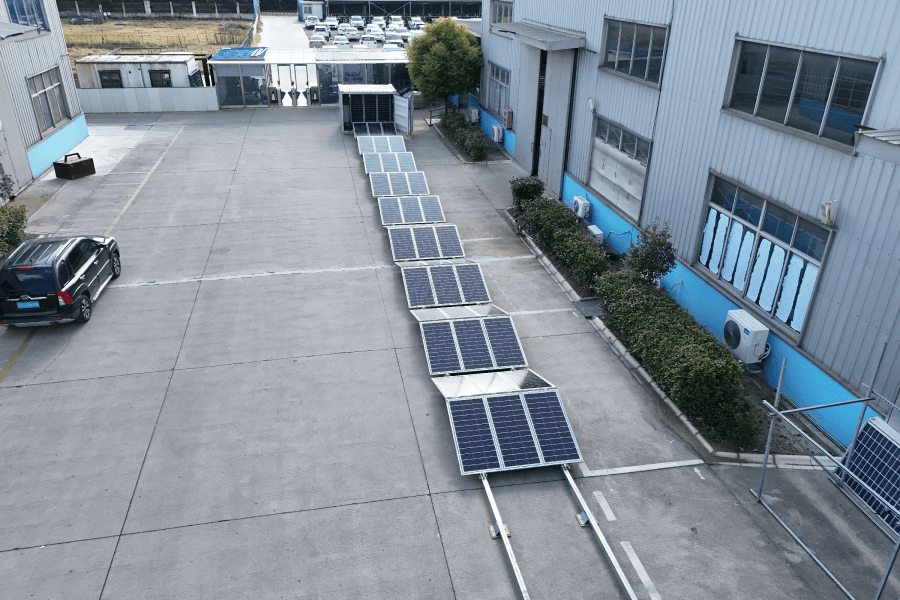
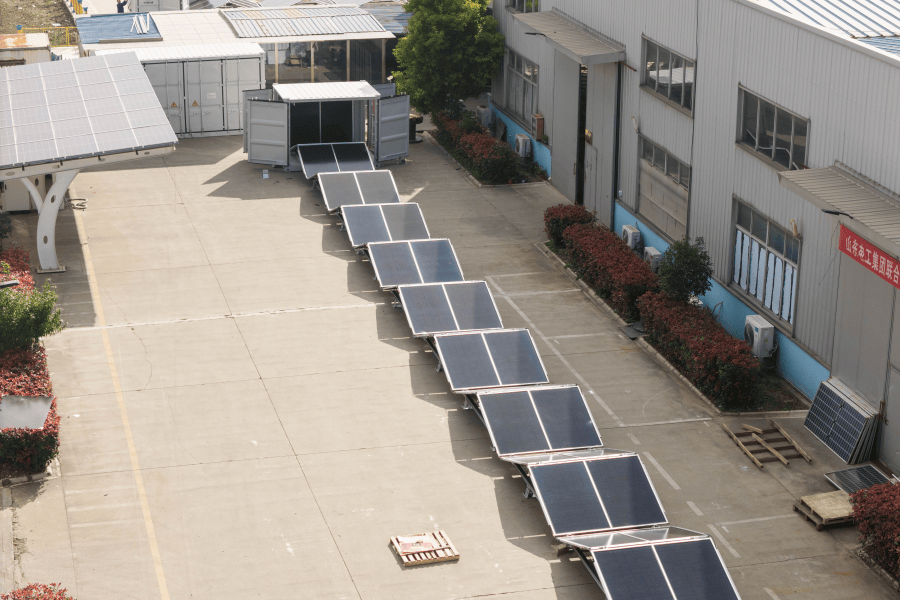
This is where the conversation around Battery Energy Storage Systems (BESS), specifically rapid deployment models, gets really interesting. We're not talking about multi-year, custom-engineered power plant projects. A rapid deployment BESS is essentially a pre-engineered, factory-integrated system in a shipping container or modular enclosures. It's delivered to your site, connected, and commissioned in weeks or months, not years. For an island mayor or utility manager staring down a tight deadline (maybe a diesel subsidy ending or a regulatory mandate), this speed is incredibly attractive. But, and this is a big "but" from my two decades in the field, speed alone isn't the whole story. It's about understanding the full picture of benefits and drawbacks.

The Benefits: Why It's More Than Just Speed
The pros are compelling, especially in the island context:
- Accelerated Time-to-Energy: This is the headline. You can have a functional grid asset online within a single season. I worked on a project in the Scottish Isles where a rapid BESS was deployed in under four months to support a new wind farm, avoiding a potential grid constraint that would have delayed the entire renewable project.
- Predictable Costing: These are largely standardized solutions. You get a clearer upfront capital cost (CapEx) compared to a bespoke design, which is a blessing for budget planning in public sector projects common across Europe and the US.
- Proven, Certified Design: A good rapid BESS isn't a prototype. It's a repeatable design that's been tested and certified to key standards like UL 9540 (US) and IEC 62933 (EU). This reduces engineering risk and simplifies permitting C a huge hurdle on islands with limited technical review boards.
- Flexibility and Scalability: Need more capacity next year? You can often add another modular unit. This "pay-as-you-grow" approach aligns perfectly with the phased development of island microgrids.
- Core Grid Services: Beyond just storing solar energy, these systems provide instantaneous frequency response, voltage support, and spinning reserve, stabilizing your small grid in a way diesel gensets simply can't. This improves power quality for sensitive loads like hospitals and data centers.
The Drawbacks: What They Don't Always Tell You On Site
Now, let's have that coffee-chat reality check. I've been called to sites where the excitement of a quick install faded when operational challenges emerged. Here's what you need to weigh:
- Site-Specific Limitations: "One-size-fits-all" rarely is. A standard container might not be optimal for extreme salt spray corrosion (a big deal on tropical islands) or extreme cold without additional site-specific modifications. The thermal management system, crucial for battery life and safety, might be designed for a "typical" climate, not your specific microclimate.
- Balance of System (BOS) Surprises: The BESS unit might be rapid, but your site work isn't always. Complex foundation requirements, long MV cable runs, or interconnection transformer delays can still bottleneck the project. I recall a project in the Caribbean where the "rapid" BESS sat waiting for three months for a custom switchgear delivery.
- Long-Term Cost Considerations (LCOE): The Levelized Cost of Energy (LCOE) is the true measure. A cheaper, rapid unit with lower-grade cells or inadequate cooling might degrade faster, increasing the lifetime cost. You must scrutinize the battery chemistry, degradation warranties, and expected round-trip efficiency over 10-15 years.
- Operational & Maintenance (O&M) Nuances: Remote islands lack easy access to specialist engineers. How is the system monitored? Can issues be diagnosed remotely? Are spare parts held locally? A system that requires a fly-in technician for every alarm is a liability. At Highjoule, for instance, we design our remote monitoring with satellite-comms backup and partner with local electrical firms for basic maintenance, turning a drawback into a managed service.
- Technology Trade-offs: To achieve compact, standardized designs, manufacturers might make choices on C-rate (charge/discharge power) or depth of discharge that are good for many applications, but not perfect for your unique solar/wind/diesel mix. Understanding these specs is key.
Making It Work: An Engineer's Practical Take
So, is a rapid deployment BESS right for your island microgrid? Honestly, it often is, but with a strategic approach. Here's my advice from the field:
Treat "Rapid" as a Project Philosophy, Not Just a Product Label. Look for providers who offer rapid deployment as part of an integrated service: rapid site assessment, standardized but adaptable designs (like our Highjoule H2-Container series with optional corrosion packages), and a clear O&M pathway. The goal is to compress the total project timeline, not just the delivery of hardware.
Due Diligence is Non-Negotiable. Go beyond the data sheet. Ask for thermal simulation reports for your site's ambient temperature. Demand clarity on compliance with local codes (NEC for US islands, IEC for EU). Require references from projects with similar remoteness challenges.
Plan for Lifecycle, Not Just Installation. Negotiate an O&M agreement upfront. Model your LCOE with realistic degradation rates. Ensure the system's software can adapt to your evolving grid needs, like adding more EV charging or desalination plants.
The beauty of today's rapid deployment BESS is that it brings grid-scale storage technology within practical reach of remote communities. It's a powerful tool to cut diesel dependence, integrate renewables, and build resilience. The key is to leverage its speed and standardization while meticulously planning for the long-term realities of island life. The right partner won't just sell you a container; they'll help you navigate this entire journey.
What's the biggest operational hurdle you're anticipating for storage on your remote grid? Is it logistics, local workforce training, or something else entirely?
Tags: LCOE UL Standards Europe US Market Renewable Energy Remote Island Microgrid Battery Energy Storage System Rapid Deployment BESS
Author
James Zhang
20+ years agricultural energy storage engineer / Highjoule CTO