
Hybrid Solar-Diesel Systems for Irrigation: Cut Costs & Boost Resilience
Beyond the Grid: Why Your Farm Needs a Modern Hybrid Power Solution
Honestly, after twenty-plus years on project sites from California's Central Valley to rural Germany, I've seen the same story play out. Farmers and agribusinesses are caught between rocketing energy costs, the pressure to be more sustainable, and the non-negotiable need for reliable water. You've probably looked at solar, maybe even considered a battery. But the big question I get over coffee is: "What's the right mix for my irrigation load, and how do I get it running without a two-year engineering headache?" That's where a smart, rapid-deployment hybrid solar-diesel system comes in. Let's talk about what that really means on the ground.
Jump to Section
- The Real Cost of a Gallon of Water
- Why "Old-School" Hybrids Fall Short
- The Modern Hybrid Blueprint: Speed, Smarts, and Standards
- Case in Point: A California Almond Grove
- Key Tech Made Simple: C-Rate, Thermal Management & LCOE
- Your Next Step: Asking the Right Questions
The Real Cost of a Gallon of Water
We all know diesel prices are volatile. A report from the International Energy Agency (IEA) highlights how energy price shocks hit remote and industrial agriculture hardest. But the pain isn't just at the pump. I've been on sites where oversized, aging diesel gensets run at 30% load just to power a center-pivot system C it's brutally inefficient, costly, and dirty. Then there's grid power. In many rural areas in the US and EU, it's either unavailable, prohibitively expensive due to demand charges, or just plain unreliable. A single outage during a critical irrigation window can mean a total crop loss. The problem isn't a lack of options; it's that the traditional options - 100% diesel or a basic solar add-on - create new headaches while solving old ones.
Why "Old-School" Hybrids Fall Short
So, you think about slapping some solar panels next to the diesel genny. It seems logical. But here's what I've seen firsthand: without a sophisticated battery energy storage system (BESS) and intelligent controls, you're leaving massive value on the table. A simple "solar-diesel" setup might offset some fuel when the sun shines, but it does nothing for night irrigation. It can't smooth out the violent load spikes from pump starts that wear out your generator. Most critically, it lacks islanding capability C if the grid goes down, your solar probably shuts off too for safety reasons, leaving you back on 100% diesel. You've added complexity without gaining true resilience or optimal cost savings.
The Modern Hybrid Blueprint: Speed, Smarts, and Standards
This is where the Comparison of Rapid Deployment Hybrid Solar-Diesel System for Agricultural Irrigation shifts from theory to practical necessity. The winning formula combines three things:
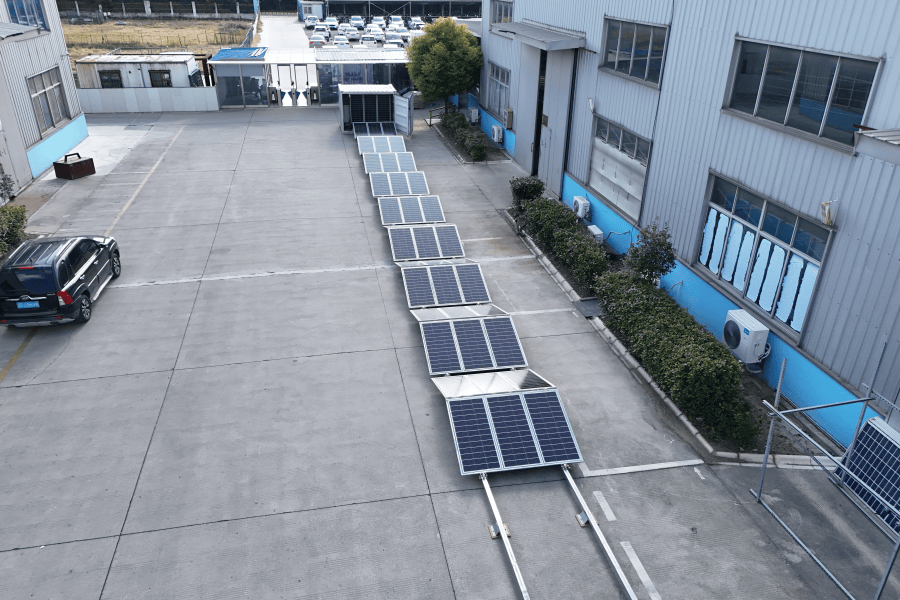
- Rapid Deployment: Pre-engineered, containerized BESS and power conversion systems. Think of it as a "power plant in a box" that meets UL 9540 and IEC 62933 standards out of the gate. This isn't a custom engineering project; it's a configured solution that can be deployed in weeks, not years. At Highjoule, our team focuses on this plug-and-play philosophy because downtime is your biggest enemy.
- True Intelligence: An energy management system (EMS) that's the real brain. It doesn't just turn things on/off. It makes millisecond decisions: "Should we use solar, battery, or a sliver of diesel to handle this pump start? The grid price is spiking - let's discharge the battery." This optimization is what slashes your Levelized Cost of Energy (LCOE).
- Standards-Based Safety: This is non-negotiable. Any system deployed in the US or EU must be built to its local codes. Our systems are designed from the cell up with thermal runaway prevention, integrated fire suppression, and full compliance. It gives you peace of mind and gets you through permitting faster.
Case in Point: A California Almond Grove
Let me give you a real example. A 500-acre almond farm in Central Valley faced a 40% increase in grid demand charges and had an unreliable local transformer. Their diesel backup was a cost beast. We deployed a rapid-hybrid system: a 1.5MW solar canopy, a 2MWh Highjoule BESS container, and integration with their existing 1MW diesel genset.
The challenge was managing the massive simultaneous pump starts at dawn without hitting a huge peak demand charge from the grid. The solution? The EMS uses the battery's high C-Rate (its ability to discharge power quickly) to provide the initial "punch" for pump starts, seamlessly blending in solar as it ramps up. The diesel generator only kicks in if the battery is low and solar is insufficient. The result? An 85% reduction in demand charges, a 60% drop in diesel runtime, and the ability to run critical irrigation through a 6-hour grid outage without burning a drop of fuel. The system paid for itself in under 4 years.

Key Tech Made Simple: C-Rate, Thermal Management & LCOE
Let's demystify some jargon you'll hear:
- C-Rate: Simply put, it's how fast a battery can charge or discharge. A 1C rate means a 2MWh battery can output 2MW for one hour. For pump loads, you need a higher C-rate (like 1.5C or 2C) to deliver those big bursts of power instantly. Not all batteries are built for this - many are designed for slower, steady grid applications.
- Thermal Management: This is the unsung hero. Batteries generate heat, and heat kills battery life and safety. A robust system uses liquid cooling to keep every cell at its ideal temperature, ensuring performance on a 110F day and longevity over a 15-year agreement. I've seen air-cooled units in Texas derate their output by 30% in the afternoon heat - that's a pump you can't start.
- LCOE (Levelized Cost of Energy): The total lifetime cost of your power (capex + opex + fuel) divided by the energy produced. A smart hybrid system aims for the lowest possible LCOE. It might use more battery upfront to save massively on diesel and grid costs later. It's the metric that matters for your ROI.
Choosing components that excel in these areas is what we do at Highjoule. It's not about selling the biggest battery; it's about engineering the most economical and reliable system for your specific irrigation profile.
Your Next Step: Asking the Right Questions
So, when you evaluate a rapid deployment hybrid solar-diesel system, move beyond just price per kW. Ask your provider: How does the EMS prioritize energy sources for my specific load curve? What's the projected LCOE for my site? Can you show me the UL 9540 certification for the full BESS assembly? How does the thermal management system perform in my climate? The answers will tell you if you're getting a integrated solution or just a box of parts.
The future of farm power isn't a single source. It's an intelligently orchestrated hybrid, deployed quickly, and built to last. What's the one operational constraint you'd most like to solve with your power system?
Tags: UL Standard BESS LCOE Agricultural Irrigation Renewable Energy Hybrid Solar-Diesel System
Author
James Zhang
20+ years agricultural energy storage engineer / Highjoule CTO