
Essential Maintenance Checklist for Grid-Forming BESS at EV Charging Hubs
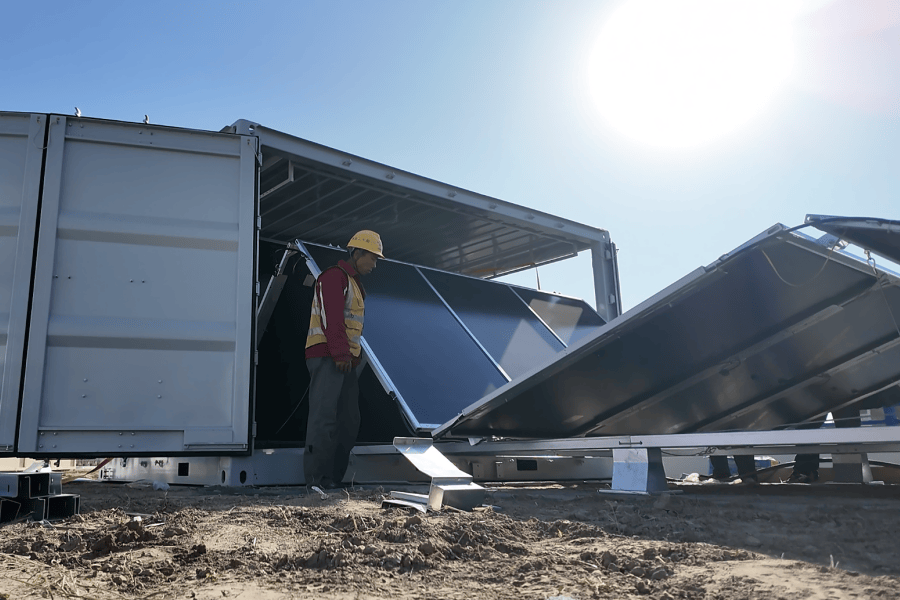
Table of Contents
- The Silent Problem: "Set and Forget" is a Fantasy
- The Real Cost of Neglect: More Than Downtime
- The Solution: A Field-Proven Checklist, Not a Manual
- Beyond the Basics: The Grid-Forming & EV Charging Nuances
- A Case in Point: A California Fleet Depot's Lesson
- Making It Actionable: How We Think About It
The Silent Problem: "Set and Forget" is a Fantasy
Honestly, I've been on sites from Texas to Bavaria, and there's one assumption I hear too often: "Once the container is humming, our job is done." Especially with grid-forming lithium battery storage for EV charging stations. The thinking goes, it's a solid piece of hardware, it's automated, so we can just let it do its thing. Let me tell you, that's the fastest way to turn a capital asset into a liability. The problem isn't malice, it's a gap. A gap between the complex, dynamic nature of a grid-forming BESS working hard at a fast-charging site and the oversimplified, generic maintenance schedules often handed over at commissioning.
Why This Gap is Wider for EV Charging
An EV charging station's BESS isn't just topping up a battery. It's performing a high-wire act. It's doing peak shaving when a dozen trucks plug in at noon, providing backup power during an outage (grid-forming means it creates the grid for the chargers), and arbitraging energy prices - all with a brutal charge/discharge profile. The C-rate - that's the speed of charge and discharge - sees spikes that would make a standard storage system sweat. This constant, aggressive cycling stresses components in ways a simple solar-smoothing system never experiences.
The Real Cost of Neglect: More Than Downtime
Let's agitate this a bit. What happens if that checklist is just a PDF buried in a server? First, safety. Thermal runaway doesn't send a polite email warning. According to a National Renewable Energy Laboratory (NREL) report, consistent thermal management is the single biggest factor in preventing catastrophic failure. Second, your wallet. The Levelized Cost of Storage (LCOE) - the real total cost of owning that MWh over its life - skyrockets. A poorly maintained system might deliver 3,000 cycles instead of the 6,000 it was designed for. You've just doubled your cost per cycle. I've seen this firsthand: a site in Ohio skipped quarterly impedance checks. Two years in, a cell imbalance they could have caught and corrected led to a 30% capacity loss. The capex payback model? Shattered.

The Solution: A Field-Proven Checklist, Not a Manual
So, what's the fix? It's not another 200-page manual. It's a living, breathing, prioritized Maintenance Checklist for Grid-forming Lithium Battery Storage Container for EV Charging Stations. This isn't theoretical. It's the distilled version of what my team and I actually do on-site, built to meet UL 9540 and IEC 62485 safety standards, while focusing ruthlessly on what keeps the system safe, efficient, and profitable.
Here's the core framework we use and advocate for:
The Highjoule Core Pillars Checklist
- Thermal System Vigilance (Weekly/ Monthly):
- Visually inspect coolant levels and lines for leaks (if liquid-cooled).
- Verify HVAC intake and exhaust vents are clear of debris.
- Check and clean air filters. Honestly, this is the #1 cause of thermal alarms I see.
- Review BMS logs for any temperature spread >5C between modules.
- Electrical & Connection Integrity (Quarterly):
- Torque-check critical DC and AC busbar connections (vibration from transformers and frequent cycling can loosen them).
- Infrared scan of breakers, inverters, and connections under load to spot hotspots.
- Verify grounding resistance is within spec.
- Battery Health Deep Dive (Quarterly/ Bi-Annually):
- Perform a full capacity test (not just a BMS state-of-charge guess).
- Analyze internal resistance/impedance trends for early cell degradation signs.
- Calibrate BMS voltage and current sensors.
- Grid-Forming Functionality Test (Semi-Annually):
- Simulate a grid outage (in a controlled manner!) to verify the BESS seamlessly forms a stable grid for the chargers.
- Test frequency and voltage response during simulated load steps (like a charger kicking on).
- Safety System Verification (Monthly/ Annually):
- Test smoke detection and gas venting system interlocks.
- Verify emergency stop functionality.
- Inspect physical integrity of container seals, doors, and fire suppression system.
Beyond the Basics: The Grid-Forming & EV Charging Nuances
Here's where an expert on the ground adds color. A grid-forming inverter is fundamentally different. It's the drummer in the band, setting the beat (frequency and voltage) for the local microgrid - your EV chargers. Your checklist must include validating its voltage and frequency ride-through settings and its black start capability. For the EV charging part, you need to align BESS discharge cycles with your charging station's software. Is the BESS being drained too aggressively during peak charge times, hurting its longevity? The checklist should prompt a review of these control setpoints against actual usage data.
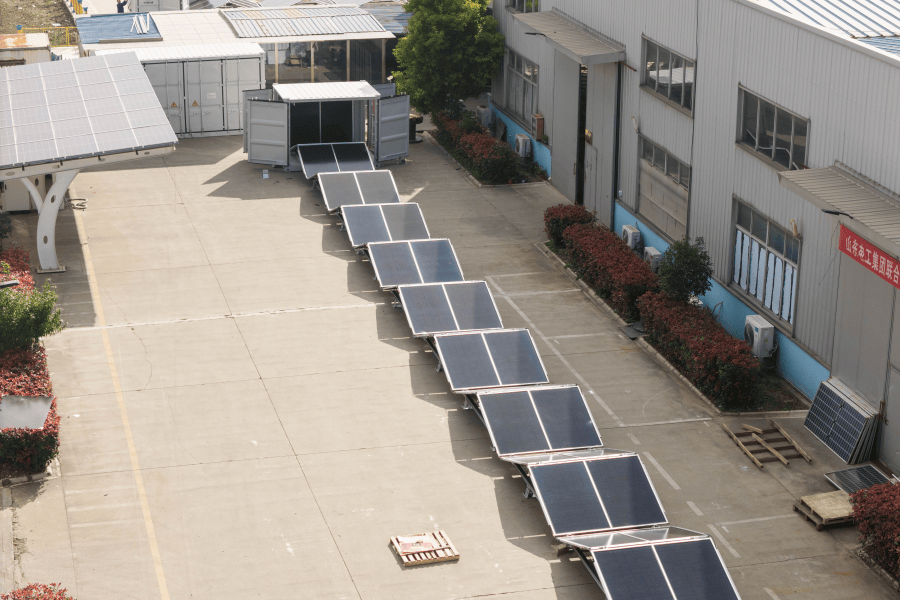
A Case in Point: A California Fleet Depot's Lesson
Let me give you a real example. We were called to a logistics depot in California's Central Valley. They had a 2 MWh grid-forming BESS for their 10-bay fast-charging station. Performance was dropping, and they were facing grid demand charges again. Their "maintenance" was visual. We implemented our structured checklist. The deep dive found a failing coolant pump in one module bank - not failed enough to trigger a major alarm, but enough to cause consistent 8C overheating. That section was degrading 40% faster than the rest. We also found their grid-forming settings were too conservative, causing a 500ms delay when switching to microgrid mode - enough to upset some sensitive charger electronics. Fixing the pump and adjusting the software not only restored capacity but improved the resilience of their entire charging operation. This is the power of a systematic, informed approach.
Making It Actionable: How We Think About It
At Highjoule, we don't just sell a container. We engineer the LCOE out of the system. That means our designs, from cell selection to thermal management, are built for this harsh duty cycle. And it means our service teams are trained on this exact checklist. The goal is to make proactive maintenance the default, not an afterthought. We've found that for our clients, bundling this checklist into a regular service plan - with remote monitoring dashboards that show you the trends from all these checks - is what turns a technical document into peace of mind and a protected investment.
The question isn't whether you can afford to implement a rigorous maintenance plan. It's whether you can afford the surprises, the costs, and the downtime if you don't. What's the one system check you've been putting off that's keeping you up at night?
Tags: UL Standard BESS LCOE Europe US Market EV Charging Infrastructure Renewable Energy Battery Maintenance Grid-forming Battery
Author
James Zhang
20+ years agricultural energy storage engineer / Highjoule CTO