
IP54 Outdoor Mobile Power Containers for Eco-Resorts: Manufacturing Standards That Solve Real-World BESS Problems
Contents
- The Real Problem Isn't Power, It's the Package
- Why This Hurts Your Bottom Line & Reputation
- The Solution Lies in How It's Built: IP54 as a Minimum, Not a Luxury
- Beyond the IP Rating: The Manufacturing Standards That Truly Matter
- A Case in Point: Lessons from a Coastal California Eco-Lodge
- Your Next Step: Questions to Ask Your Provider
The Real Problem Isn't Power, It's the Package
Let's be honest. When you're planning an energy storage system for a remote eco-resort, you spend 80% of your time on the big-ticket items: battery chemistry, inverter sizing, software. That's normal. But I've been on-site for over two decades, from the deserts of Arizona to the humid coastlines of Florida and the alpine resorts in Europe, and I can tell you this: the single most common point of failure is rarely the battery cell itself. It's the container that houses it.
You're not building a data center in a controlled suburb. You're deploying a critical power asset where the environment is part of the appeal - salt spray, driving rain, blowing sand, daily thermal swings, and yes, curious wildlife. A standard industrial enclosure or a poorly specified "mobile" unit simply won't cut it. The mismatch between the harsh reality on the ground and the generic specs on a data sheet is where projects stumble, costs balloon, and safety gets compromised.
Why This Hurts Your Bottom Line & Reputation
So what happens when the enclosure isn't up to the task? It's not always a dramatic failure. More often, it's a slow, expensive bleed.
- Moisture Ingress is a Silent Killer: I've opened up containers where condensation was dripping onto busbars. Corrosion starts on connections, leading to increased resistance, heat, and ultimately, thermal runaway risks. The IP (Ingress Protection) rating isn't just about keeping rain out; it's about managing the internal climate to prevent condensation in the first place.
- Thermal Management Collapse: An outdoor container in direct sun is an oven. If the HVAC and internal airflow design aren't manufactured to handle peak ambient temps plus the heat load from the batteries at high C-rate, the system derates itself. You paid for 2 MWh, but on the hottest afternoon when you need it most, you might only get 1.6 MWh. That directly impacts your Levelized Cost of Energy (LCOE).
- Mobile? In Name Only: Many so-called "mobile" containers are just standard ones put on a trailer. The repeated stress of transport over rough resort roads can twist the frame, misalign door seals, and loosen critical electrical connections. The manufacturing standard needs to account for structural rigidity and component mounting specifically for mobility.
A recent report by the National Renewable Energy Laboratory (NREL) highlighted that balance-of-system (BOS) and integration issues, which include enclosure and thermal management, can contribute to up to 30% of unexpected O&M costs in non-standard deployments. That's a huge, preventable drag.
The Solution Lies in How It's Built: IP54 as a Minimum, Not a Luxury
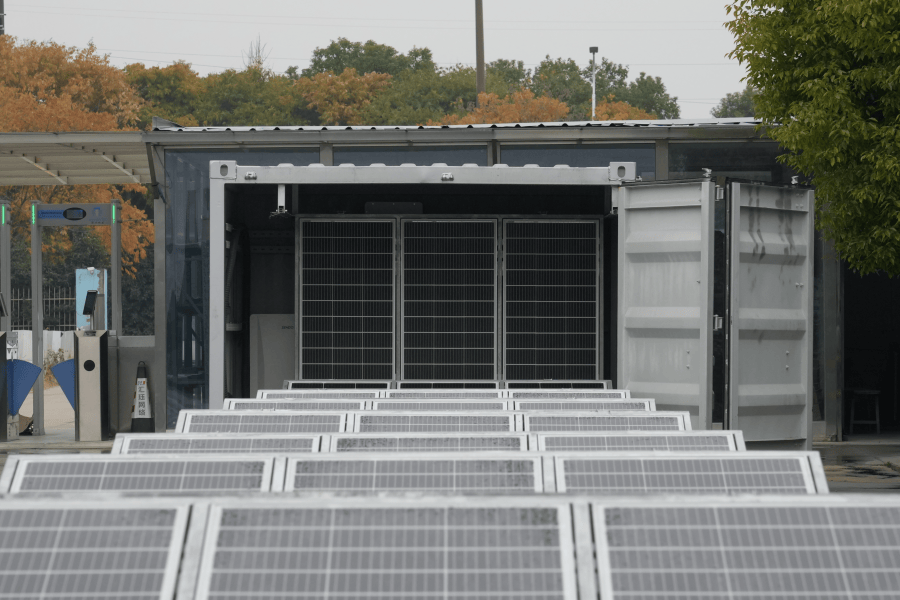
This is where a rigorous, holistic set of Manufacturing Standards for an IP54 Outdoor Mobile Power Container becomes your project's insurance policy. At Highjoule, we don't see IP54 as just a two-digit code to slap on a brochure. It's the foundational outcome of dozens of precise manufacturing and design choices.
IP54 specifically means: 5 = Protected against dust ingress sufficient to harm equipment. 4 = Protected against water splashed from any direction.
For an eco-resort, this is the bare minimum. But here's the insider detail: passing a one-off lab test to get the rating is one thing. Maintaining that integrity after 500 miles of highway travel, 50 lift-on/lift-off cycles, and 10 years of coastal air is entirely another. The standard has to cover the durability of the sealants, the grade of stainless steel for hinges and latches, the design of cable entry glands, and the testing protocol (like UL 9540 for system safety) that validates the whole unit, not just its parts.

Beyond the IP Rating: The Manufacturing Standards That Truly Matter
When we build a container for these challenging environments, the standards we follow - often exceeding UL and IEC baselines - focus on these areas:
- C-rate & Thermal Management Synergy: The electrical design (C-rate, or how fast you charge/discharge) is locked at the hip with the cooling design. A high C-rate project for frequent grid services needs a vastly different cooling loop than a slow, solar-smoothing application. The manufacturing standard must define the HVAC capacity, airflow path (to avoid hot spots), and sensor placement. We literally map thermal profiles during factory acceptance.
- Structural Integrity for Mobility: This means reinforced corner castings, welded internal frame stiffeners to prevent racking, and vibration-isolated mounting for every major component - from the battery racks to the PCS. It's built like a shipping container that happens to house a power plant, not the other way around.
- Safety by Manufacturing Process: It's about how the fire suppression lines are routed and secured, how the arc-flash compartments are constructed, and the torque sequences for DC busbar connections. This ensures compliance isn't just paperwork; it's baked into the build. This is core to our philosophy at Highjoule, where our UL 9540 and IEC 62933 compliant systems are built on a manufacturing floor audited to the same rigorous standards.
A Case in Point: Lessons from a Coastal California Eco-Lodge
A few years back, we were called to a beautiful, off-grid lodge north of Big Sur. Their first BESS, a generic outdoor unit, had chronic issues. Salt air had corroded exterior panels, a minor internal leak during a storm caused a fault shutdown, and the thermal system couldn't keep up, leading to constant summer derating.
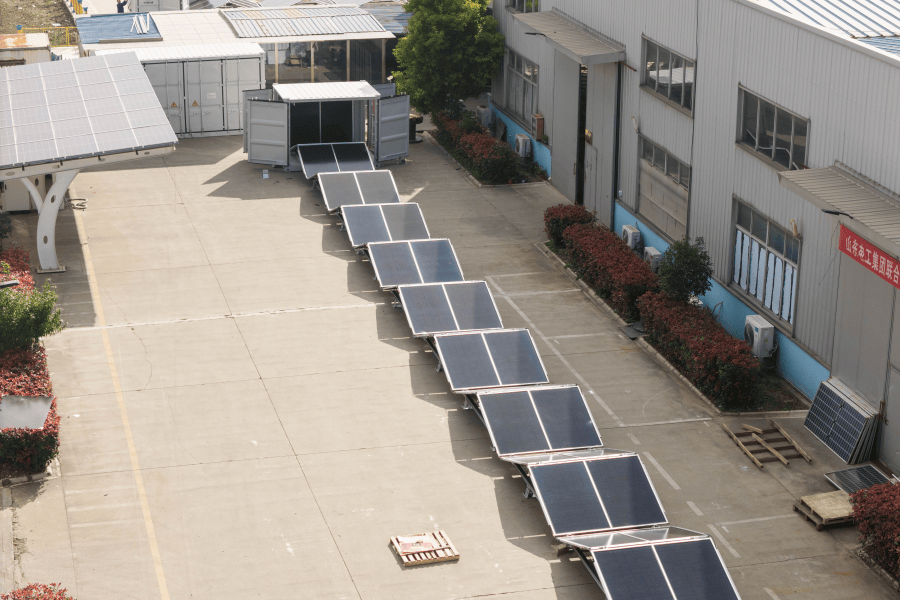
Our solution was a purpose-built IP54 mobile container. But the magic was in the manufacturing standards we applied: 1. We used marine-grade aluminum for the exterior cladding and specified a specialized coating system. 2. The HVAC was oversized by 25% for the locale, with corrosion-resistant coils and redundant filtration. 3. All internal electrical panels got a conformal coating for an extra humidity barrier. 4. The entire unit was pre-commissioned in our factory under simulated load and environmental conditions before it ever left.
The result? Three years on, the system's availability is above 99%. The resort manager sleeps better, and their effective LCOE dropped because they're getting the full, rated capacity every day. The unit has also been moved twice to new sites during lodge expansions - a true test of its "mobile" design.
Your Next Step: Questions to Ask Your Provider
So, when you're evaluating a container for your project, move beyond the spec sheet. Have a coffee with their engineering lead and ask:
- "Can you walk me through your factory acceptance test (FAT) protocol specifically for thermal performance and IP rating validation?"
- "How do your structural design standards differ for a stationary vs. a frequently relocated mobile unit?"
- "Can you show me the compliance certificates (UL, IEC, IEEE) for the fully assembled container system, not just the components?"
- "Based on my specific location (coastal, desert, alpine), what material or system enhancements do you build into your standard to guarantee the 10+ year lifespan?"
The answers will tell you everything. Honestly, in this market, the difference between a cost-saving headache and a resilient, profitable asset isn't just the battery - it's the box it comes in, and more importantly, the standards used to build that box. What's the one environmental challenge keeping you up at night for your next deployment?
Tags: UL Standard BESS LCOE Outdoor Energy Storage Eco-Resorts Mobile Power Container IP54
Author
James Zhang
20+ years agricultural energy storage engineer / Highjoule CTO