
Black Start BESS for Mining: 5MWh Solution in Mauritania Case Study
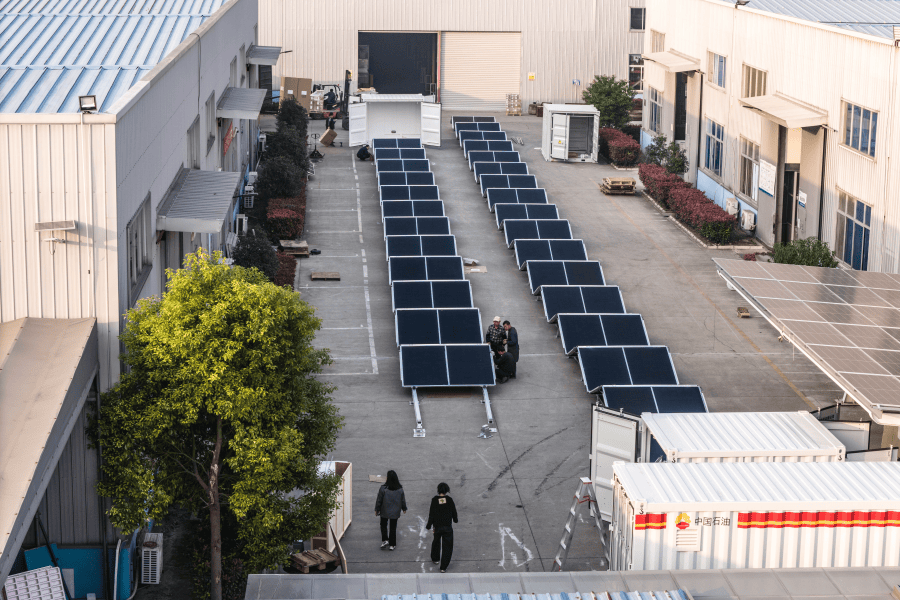
Table of Contents
- The Silent Killer in Remote Mining Ops: Grid Instability
- Beyond Downtime: The Real Cost of Power Failures
- How a 5MWh Black Start BESS Became Mauritania's Mining Lifeline
- C-rate, Cooling & LCOE: Making Sense of the Tech (Without the Jargon)
The Silent Killer in Remote Mining Ops: Grid Instability
Honestly, if there's one thing that keeps mining site managers awake, it's the fear of a sudden blackout. Remote operations, like that massive iron ore site deep in the Mauritanian desert we worked on, are often at the end of fragile grid connections or rely solely on diesel gensets. One lightning strike, equipment fault, or even a sandstorm can plunge everything into darkness. Restarting isn't just flipping a switch C it's a complex, hours-long ordeal cascading into massive revenue loss and safety risks. I've seen firsthand the frantic calls when the lights go out during critical processing. IRENA highlights this vulnerability, noting that mining microgrids in Africa face disproportionately high outage frequencies compared to other sectors. It's not just about inconvenience; it's about survival for these high-value operations.
Beyond Downtime: The Real Cost of Power Failures
Let's talk numbers, because that's what resonates in the boardroom. A major outage at a processing plant isn't just lost hours; it's potential equipment damage (think frozen slurry lines), compromised safety systems, restart energy surges straining generators, and massive diesel burn just to get things humming again. Frankly, the cost per minute of downtime in mining can run into tens of thousands. Remember that copper mine in Arizona back in'23? A 4-hour outage reportedly cost them over $2 million in lost production and equipment remediation. And relying solely on diesel? With prices volatile and environmental scrutiny rising, that's a ticking cost bomb. The hidden drain on operational efficiency and profitability is immense. It eats into your margins silently.
How a 5MWh Black Start BESS Became Mauritania's Mining Lifeline
This is where the Mauritania project truly shines as a blueprint. The challenge? A critical iron ore processing facility needed immunity from grid drops and a way to restart independently after a full blackout C fast. Diesel backups were slow and costly to initiate. Our solution centered on a 5MWh Utility-scale BESS with true Black Start capability. This wasn't just a big battery; it was the heart of a new resilience strategy.
Here's how it worked on the ground:
- Instantaneous Response: When the grid dipped or failed, the BESS seamlessly picked up the critical load (control rooms, essential ventilation, safety systems) within milliseconds. No interruption. No costly cascade.
- Black Start Engine: After a total blackout, the BESS didn't just sit there. It actively powered the startup sequences for the site's large diesel generators C acting like a jump-starter for the entire microgrid. This slashed restart times from potentially hours down to under 30 minutes. That speed is pure gold.
- Seamless Integration & Standards: Deploying in that harsh environment (think 50C+ ambient!) demanded robust engineering. Our fully integrated containerized solution, designed from the cells up with liquid cooling, ensured stability. Crucially, it was built to UL 9540 and IEC 62933 standards from day one C non-negotiable for insurance and safe operation in a hazardous mining zone. This plug-and-play approach minimized on-site complexity.
- LCOE Winner: Beyond resilience, the system actively reduced costs. It enabled peak shaving (cutting those brutal utility demand charges) and optimized diesel generator run times, significantly lowering fuel consumption and maintenance. The mine saw a projected 18% reduction in overall energy costs annually C making the BESS an investment, not just an expense.
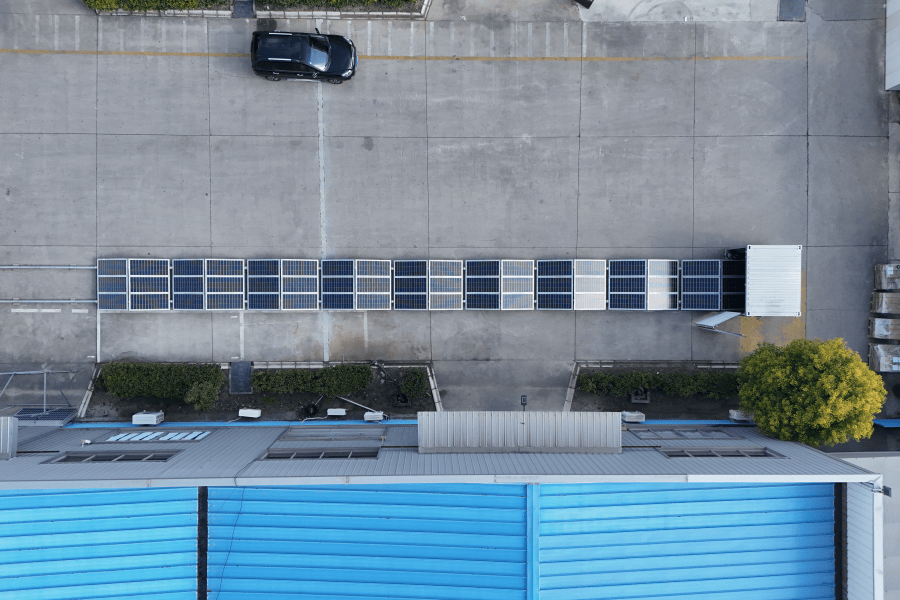
Think of it like the project we supported in Germany's North Rhine-Westphalia region for a zinc smelter C similar grid challenges, but the Mauritania site's remoteness and total dependence on self-generation made the Black Start function absolutely mission-critical. The core principle remains: design for the worst-case scenario.
C-rate, Cooling & LCOE: Making Sense of the Tech (Without the Jargon)
Okay, let's demystify some terms you'll hear, based on what actually matters on site:
- Black Start Capability: This isn't magic. It means the BESS has enough reserved power and sophisticated controls to reboot key site systems without needing an external power source. It's the ultimate insurance policy.
- C-rate (Simplified): Imagine the battery is a bucket of energy. The C-rate tells you how fast you can safely pour that energy out (discharge) or put it back in (charge). For Black Start and handling big motor starts, you need a high C-rate C meaning it can deliver a huge surge of power quickly when the grid dies. Our Mauritania system was spec'd for high C-rate discharge precisely for those critical moments.
- Thermal Management (Liquid Cooling): Batteries generate heat, especially when working hard (high C-rate!) in a desert. Air cooling often isn't enough. Liquid cooling, like what we used, actively circulates coolant to keep every cell at its optimal temperature. This is vital for safety, maximizing lifespan, and maintaining performance in extreme heat like Mauritania. It prevents hotspots that can degrade the battery or worse.
- LCOE (Levelized Cost of Energy): This is the real metric for value. It calculates the total lifetime cost of the system (installation, hardware, maintenance, energy) divided by the total energy it delivers. A well-designed BESS like Mauritania's, by reducing diesel costs, avoiding outage losses, and shaving peak charges, achieves a lower LCOE than the old way of doing things. It pays for itself. NREL has great tools on this C check their LCOE analysis resources.
So, what's the takeaway for your operation? If you're running energy-intensive processes in remote or grid-sensitive locations, ignoring Black Start capability is a risk you might not afford. The tech is proven, the standards are clear (stick to UL/IEC!), and the financial case, when factoring in all costs, is stronger than ever. What's the biggest energy resilience headache you're facing at your site right now?
Tags: UL Standard BESS LCOE IEC Standards Black Start Microgrid Energy Resilience Utility-scale Storage Mining Energy
Author
James Zhang
20+ years agricultural energy storage engineer / Highjoule CTO