
Scalable Modular Off-grid Solar for Eco-Resorts: A Real-World BESS Case Study
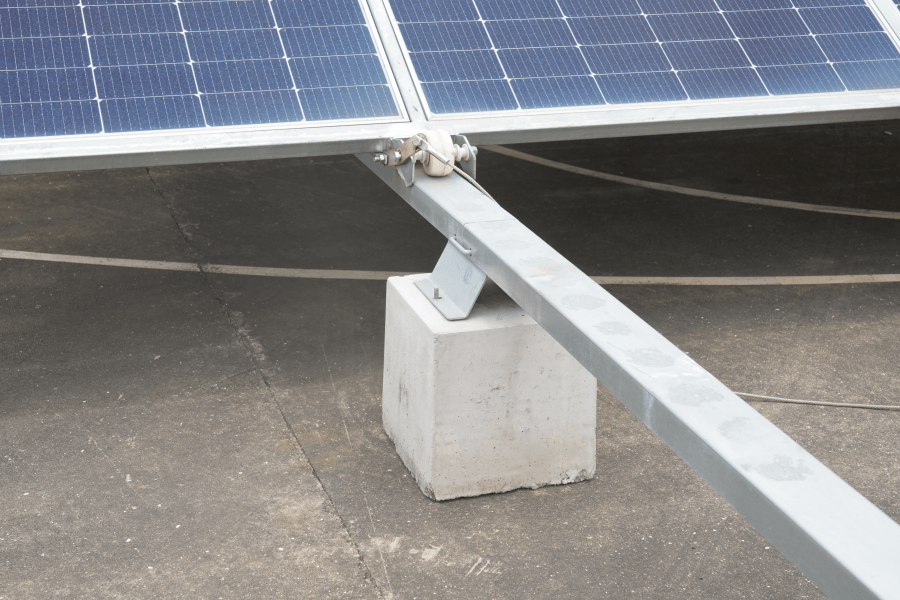
Table of Contents
- The Remote Power Dilemma: More Than Just a Generator
- Why "Scaling Up" is Harder Than It Sounds
- A Blueprint from the Pacific: The Modular Solution in Action
- The Tech Behind the Scenes: It's Not Just About Batteries
- Making It Work for You: Beyond the Installation
The Remote Power Dilemma: More Than Just a Generator
Let's be honest. When you're developing an eco-resort on a pristine coastline or deep in a mountain range, your power options are... limited. For decades, the default has been the diesel generator. I've been on sites where the constant rumble is just part of the background noise, and the smell of diesel is part of the "fresh" air. It's the antithesis of the "eco" experience you're selling. The financials are painful too - fuel logistics to remote areas are a nightmare, costs are volatile, and the maintenance is relentless.
So, solar plus batteries seems like the obvious answer, right? In theory, yes. But in my 20+ years of deploying systems globally, I've seen the gap between theory and on-the-ground reality. The classic pitfall for resorts is installing a fixed, oversized solar-and-storage system on day one, based on peak future occupancy projections. You're locking up massive capital upfront for capacity you won't need for years. Or worse, you start small and then face a complex, costly, and disruptive retrofit to add more power later. This isn't just a cost issue; it's a fundamental business risk that can stall growth.
Why "Scaling Up" is Harder Than It Sounds
The dream is a system that grows with your resort. The reality? It's often a tangle of compatibility headaches, space constraints, and regulatory hurdles. Adding batteries from a different vendor or a different generation can be like trying to make two computers from different decades talk to each other. The system integration becomes a custom engineering project every single time.
Then there's safety. In remote locations, you can't just call the fire department and have them show up in five minutes. A thermal event in a poorly managed battery system is a catastrophic risk. Standards like UL 9540 and IEC 62619 aren't just checkboxes for us; they're the absolute baseline for sleep-at-night safety. I've walked away from projects where the client wanted to cut corners on certification. Honestly, it's not worth the liability, not for them and certainly not for the guests.
The data backs this up. The National Renewable Energy Lab (NREL) has shown that system integration and balance-of-plant costs can account for up to 30% of a BESS project's total cost. Every time you need to expand, you're potentially re-engineering that 30%.
A Blueprint from the Pacific: The Modular Solution in Action
Let me tell you about a project we did for a resort chain in the Caribbean. They had a flagship property that was 90% diesel-dependent. Their goal was to phase out generators for 80% of their daytime load (running kitchens, desalination, AC in common areas) and needed a clear path to go fully off-grid within 5 years as they added more villas.
The challenge was space - they had a single, constrained equipment yard - and a phased capital expenditure plan. Our solution was a scalable, modular off-grid system built around standardized, containerized BESS units from Highjoule.
We started with a 500 kWh battery storage capacity paired with a 250 kW solar canopy over the parking lot. The magic was in the design: the power conversion system, thermal management, and controls were all engineered for plug-and-play expansion. Two years later, when they added 12 new villas, they didn't need a new site plan or a major electrical overhaul. They simply added two more pre-configured battery modules and another string of solar panels. The system recognized the new hardware, integrated it, and scaled its power management automatically. It was like adding bookshelves to a library you designed from the start to be expanded.

The Tech Behind the Scenes: It's Not Just About Batteries
When we talk about "modular," we're not just talking about battery racks. True, field-proven scalability hinges on three things most people don't see:
- Thermal Management That Scales: A single battery module has its own cooling. But when you put four together, you can't have them fighting each other. Our systems use a centralized logic that manages the heat load of the entire block, preventing hotspots and ensuring every module, old or new, operates in its ideal temperature window. This is 80% of long-term battery health.
- C-Rate Intelligence: You'll hear engineers throw around "C-rate" - it's basically how fast you charge or discharge the battery. A high C-rate gives you more power quickly (great for starting big loads) but stresses the battery. Our system's brain automatically optimizes this. For the resort, it means when a cloud passes over, the batteries can seamlessly pick up the full load for the kitchens without breaking a sweat, but during steady-state operation, it uses a gentler rate to maximize lifespan.
- The LCOE Winner: The Levelized Cost of Energy (LCOE) is your true cost per kWh over the system's life. A modular approach crushes the LCOE for growing businesses. You're not paying for 5 years of capacity upfront. You're aligning capital spend with revenue growth. The initial system handles your base load with solar, cutting diesel use immediately. Each expansion further reduces your most expensive marginal fuel costs. I've seen the spreadsheets - the financial model becomes a driver for growth, not a barrier.
Making It Work for You: Beyond the Installation
Deploying the hardware is one thing. Making it work reliably for 15+ years in a salty, humid, remote environment is another. This is where choosing a partner with real on-site service DNA matters. For that Caribbean resort, our local service network provides remote monitoring from our operations center, but we also have trained technicians within a few hours' flight. We can predict maintenance needs - like checking cooling filters before the peak season - and schedule them during low occupancy.
The core of what we at Highjoule provide isn't just a UL 9540-certified container (though that's the non-negotiable foundation). It's a growth blueprint. It's the confidence that your power infrastructure is no longer a fixed cost or a complex puzzle, but a flexible tool. You can start with what you need today and add capacity as your bungalows fill up and your spa gets booked out.
So, the next time you're looking at a master plan for a new lodge or the sustainability overhaul of an existing one, ask yourself: Is my energy system designed for a snapshot in time, or for the story of growth I'm trying to write? The right answer should give you power, and peace of mind, for every chapter ahead.
Tags: UL Standard BESS LCOE Modular Energy Storage Off-grid Solar Microgrid Eco-Resort
Author
James Zhang
20+ years agricultural energy storage engineer / Highjoule CTO