
Coastal BESS Deployment: Salt-Spray Challenges & Tier 1 Cell Solutions
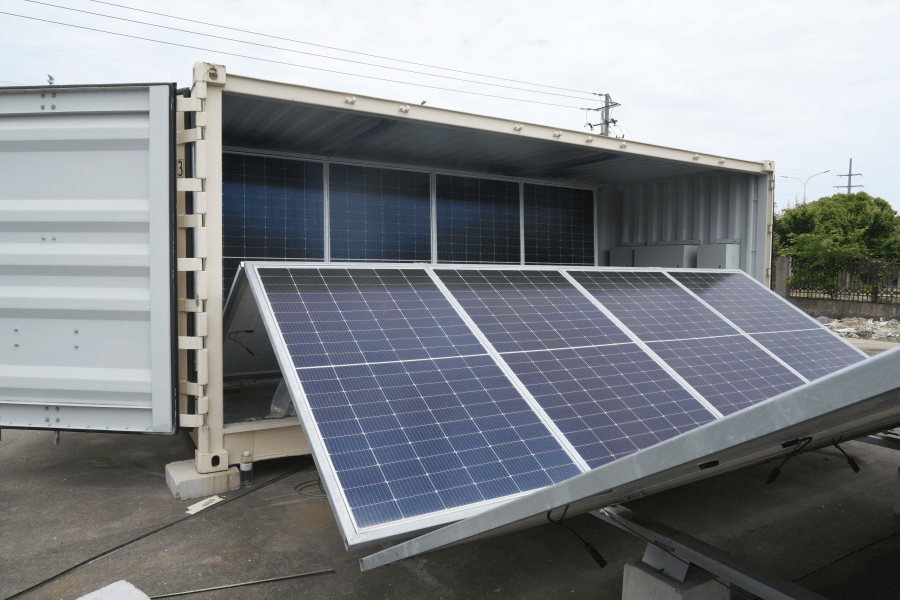
Table of Contents
- The Silent Killer: Salt Spray & Your Coastal BESS
- The Real Cost of Corrosion: Downtime, Dollars & Danger
- Case Study: Tier 1 Cells Conquering California's Coast
- Field Insights: Thermal, C-Rate & LCOE in the Salt Air
The Silent Killer: Salt Spray & Your Coastal BESS
Honestly, folks, if you've deployed or considered battery storage near the ocean in the US or Europe, you know the unspoken worry isn't just about capacity C it's that salty air. That constant mist is pure poison for standard battery systems. I've walked sites from Florida to the North Sea coast, and the corrosion on battery terminals, busbars, and even enclosure seals? It's heartbreaking. One project manager in North Carolina told me last year, "We budgeted for peak shaving, not constant component replacement." The industry often touts BESS as a set-and-forget solution, but near the coast? That's rarely the reality with off-the-shelf setups not built for this specific fight. Salt-induced corrosion accelerates degradation, increases internal resistance, and can lead to catastrophic failures C it's a pervasive threat demanding specialized engineering.
The Real Cost of Corrosion: Downtime, Dollars & Danger
Let's get real about the impact. It's not just rusty metal. Salt spray infiltration leads to:
- Skyrocketing O&M Costs: Constant inspections, cleaning, premature part replacements C I've seen sites where maintenance costs doubled within 18 months due to salt damage. That eats directly into your projected ROI.
- Unexpected Downtime: When corrosion causes a fault, your system goes offline. That's lost revenue from energy arbitrage or grid services, and potentially penalties for missing contracted availability. NREL studies highlight how environmental stressors are a top contributor to BESS performance degradation and unplanned outages in coastal regions.
- Safety Risks: This is the big one, honestly. Corroded connections increase resistance, generating heat. Combine that with potential moisture ingress from compromised seals, and you're flirting with thermal runaway risks. It's not theoretical; I've been part of root-cause analyses where salt corrosion was a key factor in safety system triggers. UL and IEC standards (like UL 9540A and IEC 62933) are crucial, but systems must be designed from the cell up to meet them reliably in these conditions.
The financial pain is real. IRENA data suggests that BESS projects in corrosive environments can see Levelized Cost of Storage (LCOS) increases of 15-25% over their lifetime if not properly engineered upfront, primarily due to accelerated degradation and O&M. That turns a promising investment into a money pit.
Case Study: Tier 1 Cells Conquering California's Coast
Okay, enough doom and gloom. Let me tell you about a win. We recently deployed a 4.2 MWh system for a large seafood processing plant right on the Pacific coast in California. Their challenges? Classic: Maximizing solar self-consumption, reducing crippling demand charges, and needing rock-solid reliability in one of the saltiest, foggiest environments imaginable. Their old lead-acid backup? A constant corrosion nightmare.
The solution wasn't just a tougher box (though that matters!). It started inside, with Tier 1 LiFePO4 (LFP) cells selected specifically for their inherent stability and compatibility with advanced liquid cooling systems crucial for managing thermal loads consistently in variable coastal temps. The real magic was in the integration:
- Military-Grade Sealing: IP66 cabinets aren't enough near waves. We used multi-layered sealing systems and corrosion-resistant coatings on every external component C think marine-grade stainless steel and specialized alloys.
- Liquid Cooling, Optimized: Not just any cooling. A closed-loop system with corrosion-inhibiting coolant, ensuring precise thermal management (keeping those Tier 1 cells happy between 20-30C) without exposing internal air paths to the external salt-laden environment.
- Proactive Monitoring: Integrated sensors constantly monitor internal humidity and potential corrosion markers, giving the plant's team and our remote NOC early warnings long before issues become critical. This is part of Highjoule's standard remote O&M offering.
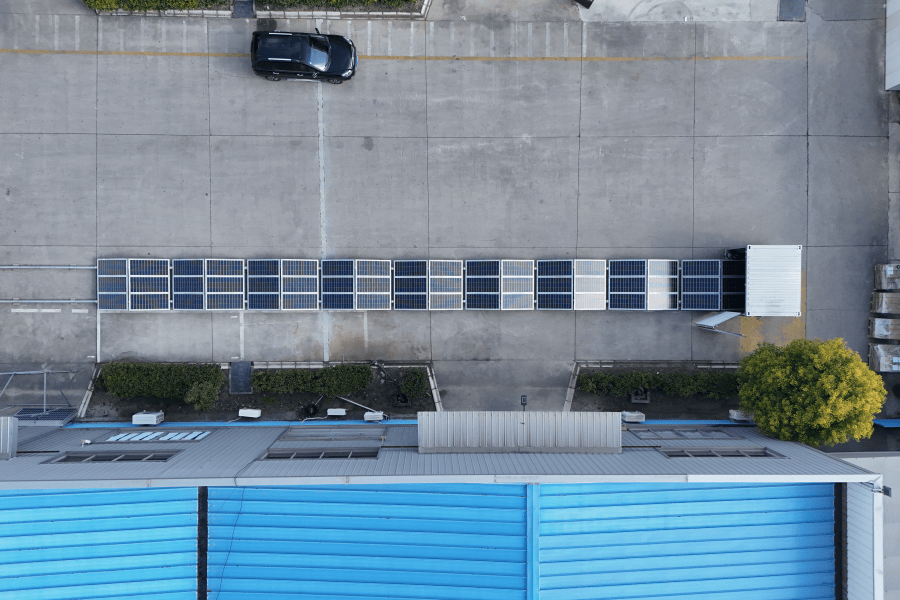
The result? After 18 months of operation, the system is performing at 98% of its initial capacity. Scheduled maintenance is minimal, focused on visual external checks. The plant manager's biggest headache now is deciding how to reinvest the savings from slashed demand charges and near-zero unexpected maintenance. The key takeaway? Success hinges on integrating Tier 1 cell performance with environment-specific mechanical and thermal design from day one, backed by rigorous testing against standards like UL's salt fog (ASTM B117).
Field Insights: Thermal, C-Rate & LCOE in the Salt Air
Let's grab a virtual coffee and chat brass tacks. Based on deploying these systems globally, here's what truly matters for coastal resilience:
- Tier 1 Cells Aren't Just Hype: In harsh environments, cell quality is paramount. Tier 1 manufacturers provide superior consistency, longer cycle life warranties (think 7000+ cycles at 80% DoD for LFP), and crucially, rigorous quality control that minimizes internal defects C a critical factor when external stresses are high. Lower quality cells degrade unpredictably under salt/humidity stress, wrecking your LCOE calculations.
- Thermal Management is THE Linchpin: Honestly, I've seen more coastal BESS issues from poor thermal control than direct salt ingress. Salt crust on cooling fins reduces efficiency drastically. Liquid cooling is almost non-negotiable for coastal C&I or utility-scale. It maintains optimal cell temperature (critical for longevity and safety), prevents internal condensation (a hidden corrosion risk), and keeps the system running efficiently during peak charge/discharge cycles. Passive air cooling just can't cut it consistently with salt clogging.
- C-Rate & Real-World Performance: Spec sheets love high C-rates (fast charge/discharge). But in a corrosive environment, consistently pushing high C-rates generates more heat, stressing the thermal system and potentially accelerating degradation if not perfectly managed. For coastal sites, we often design for slightly lower continuous C-rates than the cell's theoretical max, prioritizing longevity and safety over absolute peak power bursts C unless the application specifically demands it (like very short duration grid support). This strategic de-rating significantly improves projected lifespan and lowers the real-world LCOE.
- LCOE: The Full Picture: Don't just look at the dollar-per-kWh sticker price of the BESS itself. Factor in environment-specific O&M costs, projected degradation rates (ask the vendor for data validated in corrosive environments!), warranty terms that cover corrosion-related failures, and potential downtime costs. A slightly higher upfront cost for a salt-spray-optimized system with Tier 1 cells and robust cooling almost always wins on 10-year LCOE. Highjoule's focus is engineering systems where the LCOE stays predictable and competitive, even facing the ocean daily.
Deploying successfully on the coast isn't about finding a magic bullet; it's about meticulous attention to cell quality, thermal design, material science, and proactive monitoring C all built on a foundation of meeting and exceeding those critical UL and IEC safety standards. What's the biggest corrosion challenge you're facing at your site?
Tags: LCOE Optimization BESS UL Standards IEC Standards Coastal Energy Storage Salt-Spray Corrosion Tier 1 Battery Cells C&I Energy Storage US Market Europe Market
Author
James Zhang
20+ years agricultural energy storage engineer / Highjoule CTO