
ROI Analysis of 215kWh Cabinet Industrial ESS for Telecom Base Stations
Contents
- The Silent Budget Killer at Your Base Station
- Why Oversizing Your ESS Hurts Your Bottom Line
- The 215kWh Cabinet: Finding the ROI Sweet Spot
- Breaking Down the Numbers: A Realistic ROI Model
- Beyond the Battery Box: The Hidden Factors That Make or Break ROI
- A View from the Field: What We Learned in Northern Germany
- Your Next Step: Asking the Right Questions
The Silent Budget Killer at Your Base Station
Let's be honest. When you're managing a portfolio of telecom sites, the energy bill isn't usually the first thing you think about. Tower maintenance, network uptime, lease agreements C they all scream for attention. But over my 20-plus years deploying BESS systems across three continents, I've seen a quiet shift. That predictable, steady power cost line item has become volatile, unpredictable, and frankly, a major pain point for operations managers from California to Bavaria.
The problem isn't just that electricity is getting more expensive. It's that the nature of the cost is changing. Time-of-use rates are becoming the norm, pushing demand charges sky-high during peak hours. Grid instability is more frequent, forcing reliance on diesel gensets C and have you seen the price of diesel lately? There's also this growing pressure, both regulatory and from the public, to green your operations. So you're stuck between rising costs, reliability mandates, and sustainability goals. It's a tough spot.
Why Oversizing Your ESS Hurts Your Bottom Line
Here's a common scene I encounter on site visits: A team knows they need storage, so they go for the biggest container they can fit or afford, thinking "more is better." It's a understandable instinct, but it's often a fast track to a poor return on investment. A massive, underutilized battery system doesn't just have a higher upfront capex; it has higher ongoing balance-of-system costs, more complex thermal management needs, and it might never cycle deeply enough to justify its chemistry and design.
The National Renewable Energy Lab (NREL) has shown that optimal sizing, not maximal sizing, is the single biggest factor in achieving a positive lifecycle ROI for commercial storage. An oversized system suffers in two key metrics: Levelized Cost of Storage (LCOS) and Cycle Efficiency. Your effective cost per usable kWh stored and delivered goes up, while the system's round-trip efficiency can drop if it's constantly operating at a very low State of Charge (SOC) or very high SOC C it's like always driving your car in first gear or with the gas pedal floored.

The 215kWh Cabinet: Finding the ROI Sweet Spot
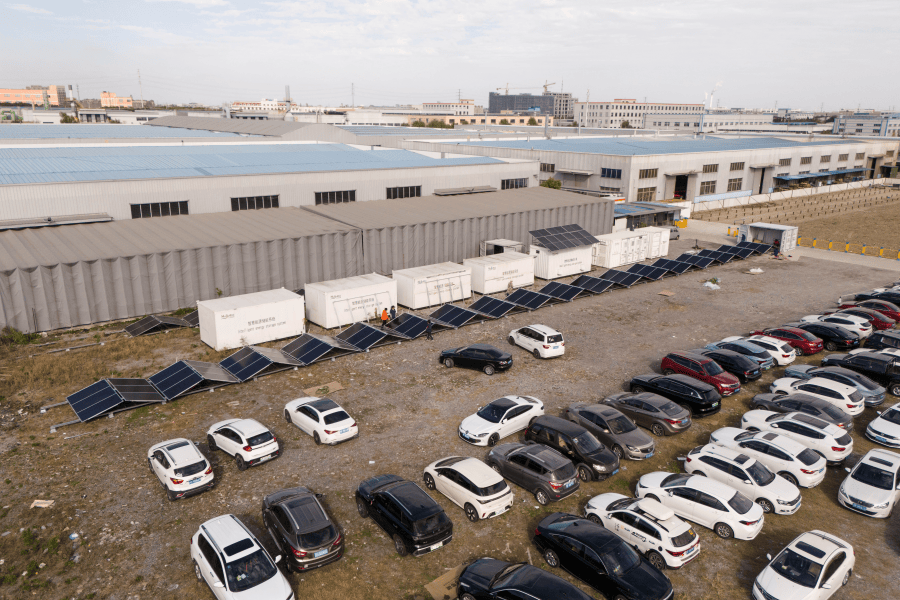
This is where the analysis of a well-sized, modular unit like a 215kWh cabinet becomes so compelling. We're not talking about a mega-container for a solar farm. This is a targeted tool for the specific load profile of a modern telecom base station, often paired with a existing or new solar array. For a huge number of sites, this capacity range hits the sweet spot for three core applications:
- Peak Shaving: Slicing the top 15-20% off your demand charge during the 2-4 peak hours of the day. A 215kWh unit is perfectly sized for this daily cycle.
- Backup Power: Providing 4-8 hours of critical backup, reducing diesel runtime to near zero for most common grid outages.
- PV Time-Shift: Storing excess solar generation from midday and releasing it in the evening, maximizing self-consumption.
The cabinet format itself is a winner for ROI. It's pre-fabricated, UL 9540 and IEC 62933 compliant, and it's designed for easy deployment on a concrete pad without major civil works. Honestly, I've seen sites go from delivery to commissioning in under 72 hours. That speed-to-revenue matters.
Breaking Down the Numbers: A Realistic ROI Model
Let's talk numbers, but let's keep it real. Generic payback periods are useless. At Highjoule, when we do an ROI Analysis of a 215kWh Cabinet Industrial ESS Container for Telecom Base Stations, we model it against your specific utility tariff sheet. But to illustrate, here's a simplified frame based on a composite of projects in the US Midwest and Southern Europe.
| Cost / Savings Factor | Typical Range (Annual) | Impact on ROI |
|---|---|---|
| Demand Charge Reduction | $8,000 - $15,000 | Highest, most consistent saving |
| Energy Arbitrage (Time-shift) | $1,500 - $3,000 | Growing value with rate volatility |
| Diesel Fuel & Maintenance Avoidance | $2,000 - $5,000 | Depends on grid reliability |
| Grid Service Incentives (e.g., Frequency Response) | $0 - $4,000 | Market-dependent, bonus revenue |
| System Maintenance & Software | ($500) - ($1,000) | Ongoing cost |
With a typical all-in project cost (hardware, software, installation, commissioning) for a robust, UL-certified 215kWh cabinet system, we regularly see simple payback periods in the 4-7 year range. The lifecycle of the battery (often 6,000+ cycles at 80% depth-of-discharge) then delivers years of positive cash flow. The key is the daily, automated "value stacking" C the system isn't sitting idle.
Beyond the Battery Box: The Hidden Factors That Make or Break ROI
Anyone can sell you a battery cabinet. Achieving the ROI on the spreadsheet requires looking deeper. Here's my on-site checklist, born from fixing systems where this wasn't considered:
- Thermal Management: This isn't just about safety (though UL 9540A is non-negotiable). It's about longevity. A battery's cycle life is directly tied to its operating temperature. A superior liquid-cooled or advanced forced-air system might add 5% to capex but can extend battery life by 20-30%, massively improving LCOE. I've seen air-cooled units in Arizona degrade twice as fast as their properly cooled counterparts.
- C-Rate Intelligence: The C-rate is basically how fast you charge or discharge the battery. A 1C rate means full power in one hour. A system that can smoothly operate at a higher C-rate (like 0.5C to 1C) has more power to shave sharper demand peaks. But constantly hammering it at high C-rates wears it out. The magic is in the software that intelligently modulates the C-rate based on the real-time need C aggressive when a demand spike is coming, gentle during routine time-shifting.
- Grid Code Compliance & Interconnection: In Europe, especially in Germany or Italy, the grid connection standards (like VDE-AR-N 4105) are complex. A system that isn't pre-certified can stall in the interconnection queue for months, killing your ROI timeline. Our approach at Highjoule is to deliver systems that are not just safe, but pre-configured for local grid compliance.
A View from the Field: What We Learned in Northern Germany
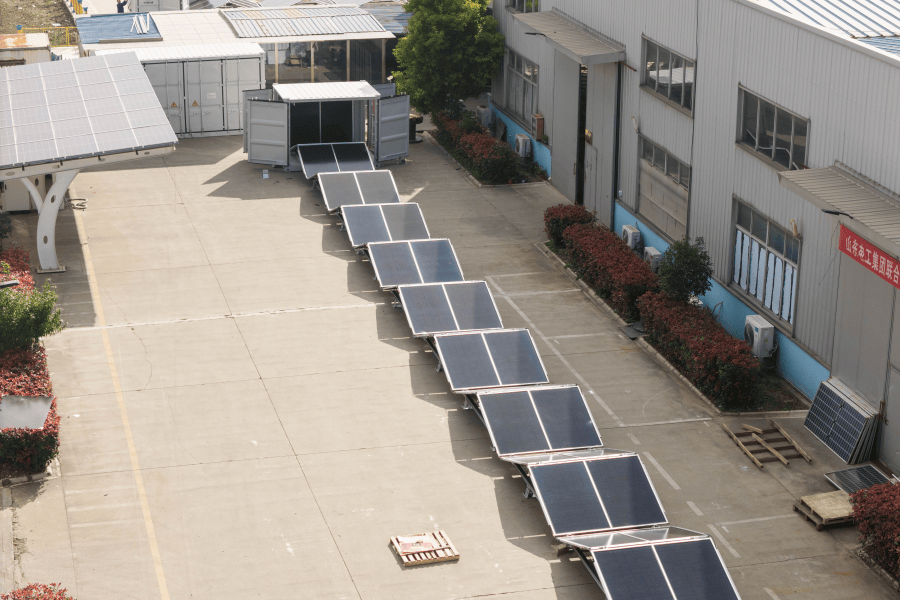
Let me give you a concrete example. We deployed a 215kWh cabinet system for a telecom operator in Schleswig-Holstein, Germany. Their challenge: high energy costs, a commitment to 100% renewable operation for their sites, and occasional grid congestion. The system was integrated with an existing rooftop PV array.
The ROI drivers here were nuanced. Yes, demand charge reduction was part of it. But the bigger play was maximizing self-consumption of their solar power. Before the BESS, excess solar at noon was fed to the grid at a low feed-in tariff. Now, it's stored and used to power the site through the high-price evening hours. The software also enables a minor participation in the primary control reserve market - a revenue stream unique to the German regulatory environment. The payback projection is under 5 years, and the site manager sleeps better knowing they have 6+ hours of backup without starting a diesel generator. The cabinet's footprint was minimal, which was critical on that constrained site.
Your Next Step: Asking the Right Questions
So, if you're evaluating storage for your telecom sites, move beyond the basic "$/kWh" price tag. Sit down with your team or potential vendor and ask:
- "Can you model the ROI against my actual utility bills from the last 12 months?"
- "How does the thermal system ensure cycle life longevity in my specific climate?"
- "What is the track record for grid interconnection for this system in my region (e.g., UL 9540 in the US, CE & relevant VDE standards in EU)?"
- "Can the energy management software'stack value' automatically - handling peak shaving, backup, and PV optimization without manual intervention?"
The right 215kWh cabinet isn't a commodity purchase; it's a strategic asset. When sized and specced correctly, it transitions from a capital expense to a revenue-protecting, resilience-building tool with a clear and compelling financial return. Honestly, that's the only kind of project I've ever enjoyed deploying.
What's the single biggest volatility factor in your site's energy costs today C is it demand charges, pure energy rates, or diesel backup costs? The answer might point you to your first pilot site.
Tags: UL Standard BESS Telecom Energy Storage ROI Analysis Energy Cost Savings Industrial ESS
Author
James Zhang
20+ years agricultural energy storage engineer / Highjoule CTO