
ROI Analysis of C5-M Anti-corrosion Mobile Power Container for Agricultural Irrigation
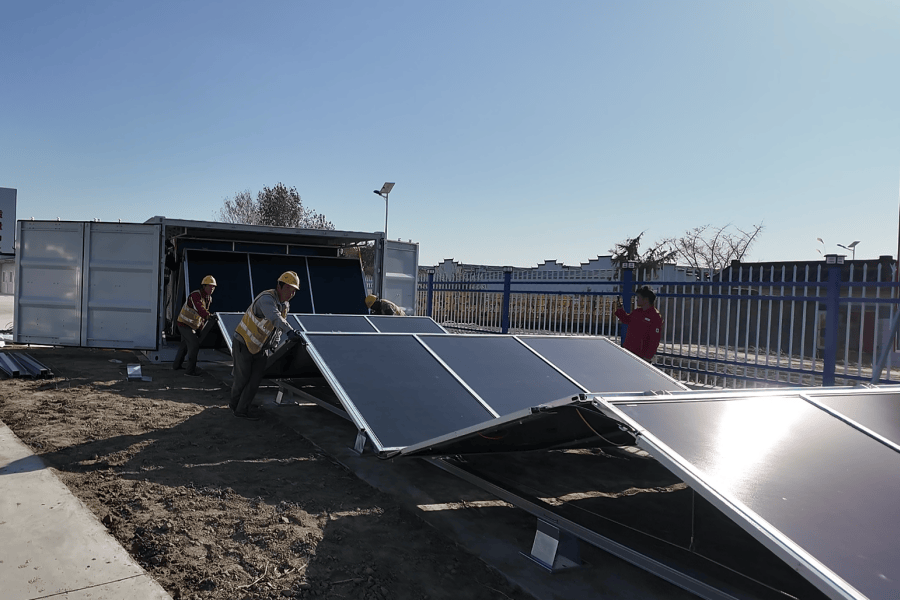
Table of Contents
- The Hidden Cost of Free Sun: Why Farm Energy is More Than Panels
- Corrosion Isn't a Maybe, It's a Guarantee (And It Kills Your ROI)
- The Mobile, Corrosion-Resistant Solution: Engineering for Real Farms
- Breaking Down the ROI: It's Not Just About Peak Shaving
- A Real-World Scenario: From California Drought to Reliable Water
- Beyond the Spreadsheet: The Intangible ROI of Resilience
The Hidden Cost of Free Sun: Why Farm Energy is More Than Panels
Honestly, if I had a dollar for every time I've walked a farm with an owner who showed me their shiny new solar array and said, "Now my irrigation pumps run for free," I'd have a nice little retirement fund. And I get it. The logic seems perfect. But here's the thing I've seen firsthand on site, from the Central Valley to the plains of Spain: solar generation and irrigation demand are rarely best friends. The sun peaks at noon; your pivot irrigation might need to run from 2 AM to 10 AM to beat evaporation and align with water rights. That mismatch is the fundamental, expensive problem.
You're either forced to sell excess midday power back to the grid at low rates, only to buy it back at night at high rates, or you run diesel gensets. The International Renewable Energy Agency (IRENA) has highlighted that integrating storage is key to maximizing the value of agricultural renewables, moving from just generation to full energy management. That's where Battery Energy Storage Systems (BESS) come in. But not all BESS are built for the farm gate.
Corrosion Isn't a Maybe, It's a Guarantee (And It Kills Your ROI)
Let's agitate that pain point a bit. A standard industrial BESS container plopped into an agricultural setting faces a brutal environment. We're talking about constant exposure to fertilizer dust (highly corrosive), humidity from irrigation, and potentially saline air in coastal regions. I've opened up units after just 18 months in a vineyard where connector corrosion had already begun, leading to voltage drops and safety alarms. That's downtime during a critical irrigation window. That's a service call. That's a major hit to your projected Return on Investment.
The financial model falls apart if the asset degrades in 5 years instead of 15. This is why the "C5-M" anti-corrosion classification isn't just a nice-to-have spec sheet bullet; it's the literal foundation of your long-term ROI. It's about the Levelized Cost of Energy (LCOE) for your stored power - a fancy term for the total lifetime cost divided by the energy output. A cheaper, non-protected unit will have a terrible LCOE because its useful life is cut short.

The Mobile, Corrosion-Resistant Solution: Engineering for Real Farms
So, what's the solution? It's a system designed for the problem from the ground up. This is where a proper ROI Analysis of a C5-M Anti-corrosion Mobile Power Container for Agricultural Irrigation starts to make compelling sense. The "C5-M" rating (per ISO 12944) means it's built for highly corrosive industrial atmospheres with high humidity and pollution - like a farm. The "mobile" aspect is pure operational genius I've advocated for years. Water wells change, crop rotations happen, and being able to hook the unit to a truck and move it to a new pivot or wellhead in a day is a game-changer for utilization rates.
At Highjoule, when we engineer a container like this, we're thinking about the stuff you shouldn't have to think about: specialized coatings on every internal component, sealed thermal management systems that don't suck in corrosive air, and using materials that laugh at ammonia compounds. And it's all built to the UL 9540 and IEC 62933 standards, because safety and interoperability aren't optional, whether you're in Nebraska or Normandy. This robust design directly protects your financial investment.
Breaking Down the ROI: It's Not Just About Peak Shaving
A good ROI analysis for this goes beyond simple "peak shaving" calculators you find online. Let's talk technical in plain English. You need to look at:
- Energy Arbitrage: Buying/store cheap grid power (night) or capturing excess solar (day), using it for expensive irrigation runs. The C-rate of the battery (how fast it charges/discharges) matters here to match your pump's big motor start-up loads.
- Demand Charge Reduction: For farms on commercial tariffs, that one monthly 15-minute peak can define 50% of your bill. A BESS with sufficient power output can shave that peak dramatically.
- Diesel Fuel & Maintenance Displacement: This is often the biggest win. Calculate the hours you run gensets, their fuel consumption, and their relentless maintenance costs. A BESS replaces that with silent, push-button operation.
- Resilience & Crop Insurance: What's the value of completing an irrigation cycle during a grid outage? It can mean saving a season's crop. That's an ROI that speaks for itself.
A Real-World Scenario: From California Drought to Reliable Water
Let me give you a case from our files. A large almond grower in California's San Joaquin Valley had high solar curtailment (wasted energy) and relied on diesel for night irrigation, all while facing punitive demand charges. Their water table was dropping, requiring deeper wells with bigger pumps. The challenge was powering these new pumps reliably without a massive grid upgrade, which was quoted at over $500k and an 18-month wait.
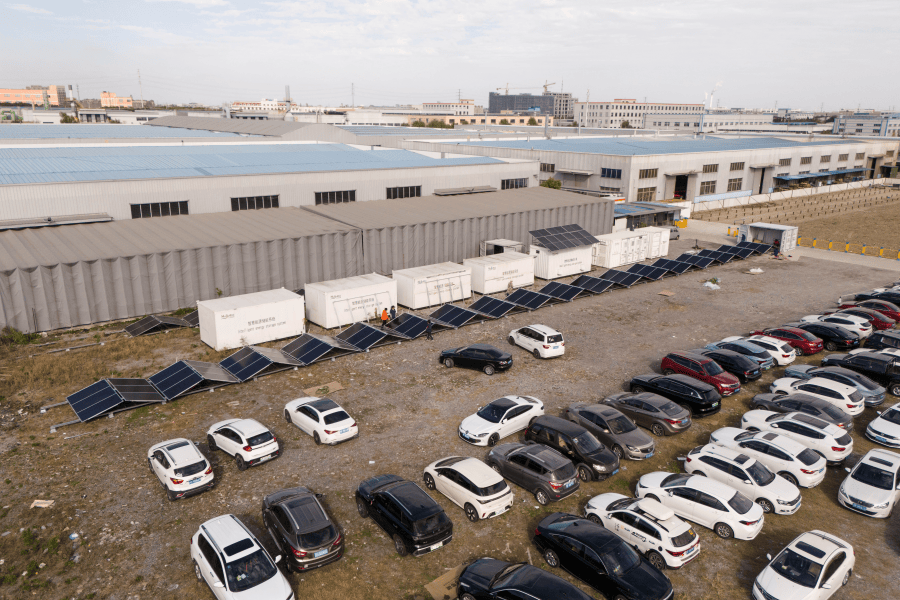
We deployed a mobile, C5-M rated Highjoule power container. It integrated with their existing solar, stored the midday excess, and provided a massive surge of power for the new pumps at night. The thermal management was critical - California summers are no joke, and battery lifespan plummets with poor temperature control. Because it was mobile, they could later shift it to support a remote orchard block. The ROI? The system paid for itself in under 4 years through diesel savings, demand charge elimination, and avoiding that grid upgrade cost. The mobile, rugged design was central to that math.
Beyond the Spreadsheet: The Intangible ROI of Resilience
Finally, the best ROI models leave room for the intangibles. After 20+ years in this field, I can tell you the peace of mind that comes from energy independence is palpable. When a storm knocks out rural power for two days, and your neighbors are scrambling while your irrigation continues on schedule, that's not just a line item. It's business continuity. It's why we focus not just on selling a container, but on providing the local support and analytics to ensure it performs for its entire design life. So, the real question isn't just "What's the payback period?" It's "What's the cost of not having reliable, controllable power for your most critical asset - water?"
What's the one energy constraint in your operation that, if solved, would change everything for the next season?
Tags: UL Standard BESS Energy Storage Agricultural Irrigation Microgrid ROI Analysis IEC Standard Mobile Power Container
Author
James Zhang
20+ years agricultural energy storage engineer / Highjoule CTO