
ROI Analysis of LFP 5MWh BESS for Coastal Salt-Spray Environments
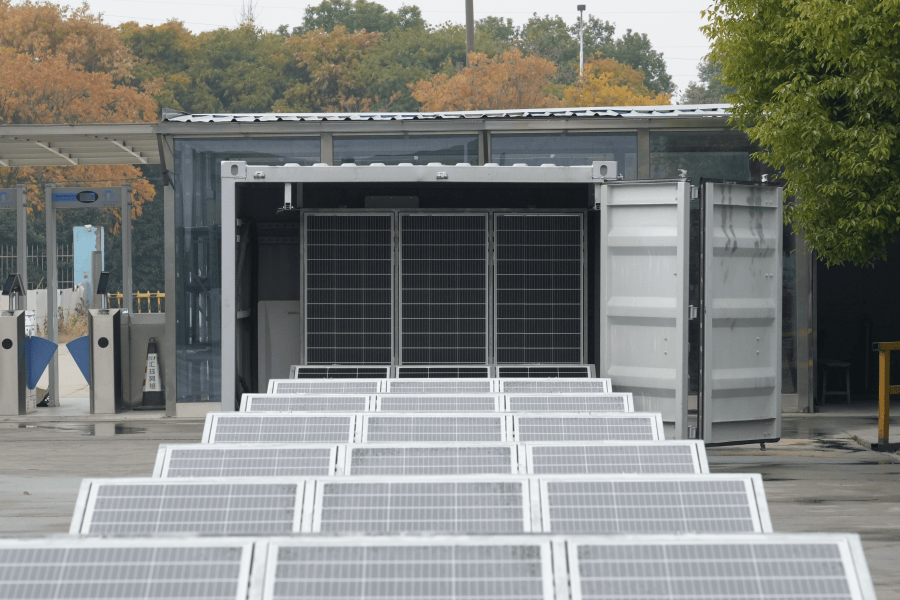
The Hidden Cost of Salt Air: A Real-World ROI Look at 5MWh LFP BESS for Coastal Sites
Hey there. Let's be honest, if you're looking at deploying a 5-megawatt-hour battery system near the coast, you've already run the basic numbers. The arbitrage opportunities look good, especially with the push for renewables. But I've been on enough project sites from the North Sea to the California coast to tell you this: the standard ROI spreadsheet often misses the biggest line item in these environments - corrosion. That silent killer that doesn't show up until year 3 or 4, right when you thought the system was hitting its stride. Today, let's cut through the marketing fluff and talk about the real return on investment for an LFP (LiFePO4) utility-scale BESS when the air itself is trying to eat your equipment.
Quick Navigation
- The Real Problem Isn't Just Chemistry, It's the Environment
- When Corrosion Hits: The Multiplier Effect on Your Capex and Opex
- Why LFP Isn't Just a Safer Chemistry, It's a Tougher Asset for Coastal ROI
- ROI Deep Dive: It's More Than Just the Battery Cells
- A Case in Point: The North Sea Wind Farm BESS
- Making It Work: The Non-Negotiables for Coastal BESS Success
The Real Problem Isn't Just Chemistry, It's the Environment
We all talk about cycle life, depth of discharge, and round-trip efficiency - and they're critical. But in a salt-spray environment, these metrics become secondary if the enclosure housing your million-dollar battery stack is compromised. I've seen firsthand on site how salt mist penetrates standard cooling vents, settles on busbars, and accelerates corrosion on electrical connections tenfold compared to an inland site. The issue isn't just surface rust; it's increased electrical resistance, localized heating, and ultimately, catastrophic failure points that safety systems might not catch in time.
According to a NREL report on durability in harsh climates, corrosion-related failures are a leading cause of increased Levelized Cost of Storage (LCOS) for coastal renewable projects, sometimes adding up to 30% to long-term Opex if not addressed from day one. That's a project killer.
When Corrosion Hits: The Multiplier Effect on Your Capex and Opex
Let's agitate that pain point a bit. Imagine this: Your 5MWh system is performing beautifully for 28 months. Then, you start getting erratic voltage readings from one module string. It's not the BMS software; it's a corroded sense wire connection inside the container. Now you're facing:
- Unscheduled Downtime: That's lost revenue every hour the system is offline.
- Specialized Labor: Sending a crew to a coastal site isn't like sending them to an urban substation. You need technicians trained in corrosive environment work, and their rates reflect that.
- Parts Replacement: It's never just the one connector. You'll find a cascade of affected components.
This is where the "sticker price" of a BESS becomes meaningless. The true ROI is determined by its resilience.
Why LFP Isn't Just a Safer Chemistry, It's a Tougher Asset for Coastal ROI
This is where the solution starts to come into focus. When we talk about an LFP-based system for these harsh conditions, we're not just choosing it for its famous thermal stability (which, honestly, is a huge relief for any site manager). We're choosing it for its operational characteristics that align perfectly with a defensive coastal strategy.
LFP chemistry typically allows for a slightly wider operating temperature window and is less stressed at partial states of charge compared to some other chemistries. Why does this matter for corrosion? It gives the thermal management system more flexibility. We can design cooling strategies that minimize the intake of corrosive outside air. Instead of constantly bringing in salty air for cooling, we can rely more on closed-loop or liquid-assisted cooling systems that keep the external environment outside, where it belongs. This directly protects the internal components and preserves the system's efficiency over a 15-20 year lifespan.
ROI Deep Dive: It's More Than Just the Battery Cells
So, a proper ROI analysis for a 5MWh LFP BESS in a salt-spray zone has to go way beyond $/kWh. Here's what we at Highjoule Technologies bake into our financial models for coastal clients:
- Container Integrity: It starts with the box. We use marine-grade coatings, stainless-steel fasteners for anything external, and IP55+ seals as a baseline. The upfront cost is maybe 5-7% higher. The payoff is avoiding a total container swap-out in decade.
- Corrosion-Resistant Balance of Plant (BOP): Every inverter, transformer, and HVAC unit specified must have a "C5-M" corrosion protection rating per ISO 12944. This isn't optional.
- Cooling Strategy (The Big One): We often push for a liquid-cooled LFP system in these cases. Yes, it's more complex, but it reduces the air exchange rate with the outside environment by over 80%. This single decision is the biggest lever for reducing long-term degradation from salt. The math shows a lower LCOE over 20 years, even with higher initial CapEx.
- Proactive Monitoring: Our systems include corrosion sensors and internal humidity tracking, not just cell voltage and temp. This data lets you schedule maintenance before a failure, protecting your revenue stream.
A Case in Point: The North Sea Wind Farm BESS
Let me give you a real example, though I'll keep the client's name generic. We deployed a 4.8MWh LFP system (close to your 5MWh scope) at a wind farm support facility on the German coast. The challenge was brutal: constant salt spray, high winds, and a requirement for UL 9540 and IEC 61400 compliance for grid connection.
The standard container solution was a non-starter. We worked with the client on a custom design featuring a nitrogen-inerted, closed-loop liquid cooling system for the LFP racks. The external HVAC was specified with a corrosion-resistant coating and specialized filters. The electrical panels inside used conformal-coated PCBs.
Three years in, the performance delta is clear. Compared to a similar-sized, air-cooled system at a nearby (but less exposed) site, our coastal system has shown zero corrosion-related faults and has maintained 98% of its original round-trip efficiency. The other system has already had two unscheduled maintenance events for connector replacement and efficiency has dropped to 94%. That 4% efficiency gap, compounded over daily cycles, represents a significant revenue protection that directly boosts ROI.

Making It Work: The Non-Negotiables for Coastal BESS Success
Based on these experiences, here's my blunt advice for anyone running the numbers on a coastal BESS project:
1. Demand the Right Certifications: "Designed for" isn't good enough. Look for UL 9540 listing for the overall system and ensure all components have relevant IEC 60068-2-52 (salt mist corrosion) testing credentials. This isn't bureaucracy; it's proof of resilience.
2. Model the "Corrosion Discount": In your financial model, add a "degradation multiplier" of 1.2x to 1.4x for any system not specifically hardened for C5-M environments. This will quickly show you the false economy of a cheaper, off-the-shelf unit.
3. Plan for Proactive, Not Reactive, Maintenance: Your service contract should include biannual inspections specifically for corrosion, including thermal imaging of connections and seal integrity checks. This is where a partner with local service hubs, like Highjoule maintains in key EU and US coastal regions, becomes invaluable.
The bottom line? The highest ROI for a 5MWh LFP BESS on the coast comes from the system you barely have to think about after it's switched on. It hums along, day after day, despite the salt, because it was built for the environment from the cell chemistry up. The question isn't just "What's the payback period?" but "What's the guaranteed operational life before major CapEx refresh?" Getting that answer right is what separates a profitable grid asset from a rusting money pit.
What's the single biggest corrosion challenge you're seeing in your project planning? Is it the balance of plant, the container itself, or something else entirely?
Tags: UL Standard BESS LCOE Europe US Market Renewable Energy LFP Battery Salt-Spray Corrosion ROI Analysis Utility-Scale Energy Storage Coastal Environment
Author
James Zhang
20+ years agricultural energy storage engineer / Highjoule CTO