
Step-by-step Installation of C5-M Anti-corrosion BESS for EV Charging Stations
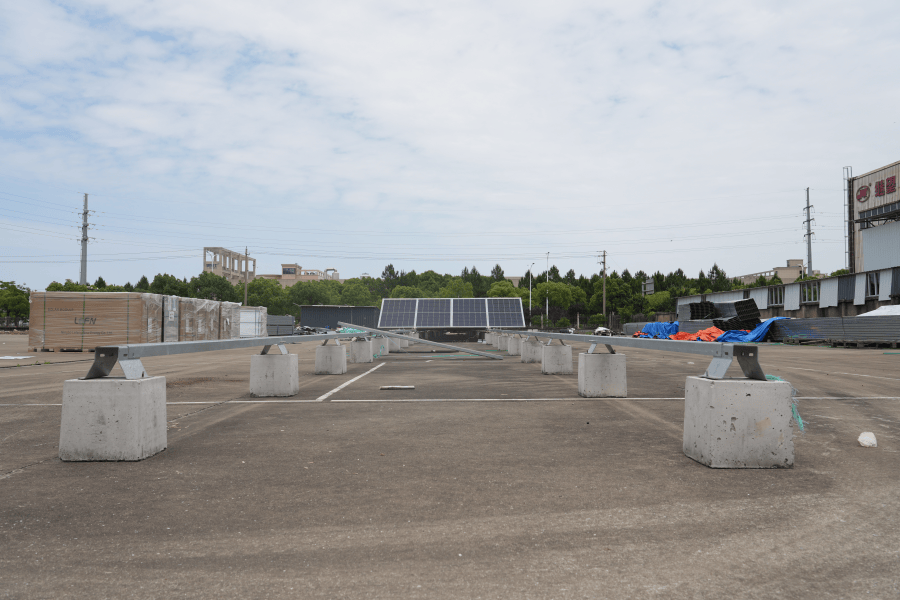
Table of Contents
- The Quiet Crisis at Your EV Charger
- Why Installation is Half the Battle (And Where Most Projects Stumble)
- A Practical Blueprint: The C5-M Anti-Corrosion BESS Installation Journey
- Case Study: A California Charging Hub's Turnaround
- The Technical Edge: What Makes a BESS Truly "Site-Ready"
- Getting It Right From Day One
The Quiet Crisis at Your EV Charger
Honestly, if you're planning an EV charging station, you're probably thinking about charger types, power levels, and user experience apps. But here's the thing I've seen firsthand on sites from Texas to Bavaria: the biggest headache often isn't the charger itself. It's the silent, massive demand it places on the local grid. A row of fast chargers can act like a small factory suddenly switching on. That leads to two painful realities: crippling demand charges from your utility and, in many areas, a multi-year wait for a grid connection upgrade. The International Energy Agency (IEA) notes that strategic energy storage is key to managing the integration of growing EV fleets without overburdening infrastructure.
That's where a Battery Energy Storage System (BESS) comes in. It's not just a backup battery; it's an intelligent power manager. But simply deciding to get a BESS is only step one. The real make-or-break moment is how you put it in the ground, hook it up, and make it last - especially in harsh coastal or industrial environments where corrosion eats away at profits and safety.
Why Installation is Half the Battle (And Where Most Projects Stumble)
Let me agitate that point a bit. A brilliant BESS design in a catalog means nothing if the installation process is an afterthought. I've been called to sites where a "standard" container unit was plopped onto a concrete pad, only for us to find moisture ingress in the battery compartment within 18 months. In another case, poor thermal management planning led to the system derating (slowing down) during peak summer charging hours - exactly when it was needed most. The financial hit? Astronomical demand charges that the BESS was supposed to avoid, plus premature warranty claims and downtime.
The core problem is treating BESS installation like a generic construction task. It's not. It's a precision integration of high-power electrical systems, complex controls, and environmental protection - all governed by strict local codes like the UL 9540 standard for energy storage systems and the IEEE 1547 for grid interconnection. Miss one detail, and you compromise the entire project's ROI and safety.
A Practical Blueprint: The C5-M Anti-Corrosion BESS Installation Journey
So, what's the solution? A meticulous, step-by-step methodology that treats the installation as a core part of the product's value. At Highjoule, we've built this philosophy into our C5-M series, designed specifically for challenging environments. Here's how a proper installation unfolds, based on our field playbook:
Phase 1: The Foundation & Environmental Seal
It starts before the unit arrives. The pad isn't just concrete; it's a precisely leveled, engineered base with conduit stubs pre-laid. Upon delivery, the C5-M's integrated C5-M corrosion resistance rating (a severe industrial/marine grade) is only as good as its seal to the earth. We use a multi-step gasketing and anchoring process I wish I saw more often in the industry - it keeps out salt spray, humidity, and dust at the system's most vulnerable point.
Phase 2: Power & Brain Hookup
This is where coordination is king. Our teams work in parallel: electrical crews handle the AC/DC cabling to the EV chargers and the main grid connection point, while our controls specialists integrate the system with your energy management software. The goal is seamless "talk" between the BESS, the chargers, and the grid. We configure the setpoints for peak shaving based on your specific utility rate structure - this is where the LCOE (Levelized Cost of Energy) gets optimized, by the way.
Phase 3: Commissioning & The "Burn-In"
This isn't just flipping a switch. We run a full sequence: insulation resistance tests, functional checks of every safety relay, and a simulated peak event where the BESS is commanded to discharge at its full C-rate (that's the speed of charge/discharge) to support the chargers. We validate that the thermal management system - the silent hero - ramps up cooling smoothly. Only after a 72-hour monitored "burn-in" period do we sign off.
Case Study: A California Charging Hub's Turnaround
Let me give you a real example. A fleet operator in Coastal California had a 1 MW charging depot project stalled for two years due to grid upgrade delays. They were losing contracts. We deployed a 500 kW/1 MWh C5-M BESS in a tight 12-week turnkey project.

The challenge wasn't just speed; it was the salty, foggy air that had corroded their existing equipment. Our step-by-step installation included a dedicated corrosion-resistant coating on all external connections beyond the factory standard. The BESS now dynamically charges from the limited grid connection overnight and discharges during the day to support 12 simultaneous fast-charging sessions. The result? They avoided over $15,000 monthly in demand charges, launched their service on time, and have a system showing zero corrosion-related issues after 18 months of harsh exposure.
The Technical Edge: What Makes a BESS Truly "Site-Ready"
You'll hear a lot of specs. Let me translate the crucial ones through an installer's lens:
- C-Rate: A 1C rate means the battery can fully discharge in one hour. For EV charging, you need a high C-rate (like 0.5C to 1C) to deliver bursts of power quickly. But a high C-rate generates more heat. That's why our installation plan meticulously maps airflow and cooling paths specific to the site layout.
- Thermal Management: This isn't just an air conditioner. It's a liquid-cooled or precision forced-air system that must be sized for the local climate's worst day. During installation, we verify there's no obstruction to vents and that the system's noise profile meets site requirements.
- UL/IEC Compliance: This is non-negotiable. It means every component, from the cell to the container lock, has been tested for safety. Our installation documentation package makes the local authority having jurisdiction (AHJ) inspection process smoother because we provide the full trail of compliance certificates.
The "Anti-corrosion" part of the C5-M isn't a spray-on feature. It's a design DNA - from stainless-steel hinges to sealed cable glands - that dictates how we handle every bolt and busbar during installation to preserve that protection.
Getting It Right From Day One
Look, deploying storage for EV charging is one of the smartest moves you can make for your bottom line and grid stability. But the gap between a good investment and a operational nightmare is filled by the quality of the installation. It's the difference between a system that just sits there and one that actively saves you money for 15+ years.
At Highjoule, we don't just ship a container. We bring two decades of field lessons to your site, wrapped into a disciplined step-by-step process. Because honestly, the best technology in the world needs an equally expert hand to bring it to life. What's the single biggest site-specific challenge you're anticipating for your next charging project?
Tags: UL Standards Battery Energy Storage Microgrid EV Charging Stations BESS Installation Anti-corrosion BESS Project Deployment
Author
James Zhang
20+ years agricultural energy storage engineer / Highjoule CTO