
LFP Hybrid Solar-Diesel for Data Centers: Pros, Cons & Expert Insights
Table of Contents
- The Data Center Backup Power Crisis in the US and EU
- Why Relying Solely on Diesel Generators Is a Ticking Bomb
- LFP Hybrid Systems: A Smarter Path to Energy Resilience
- Key Benefits: Safety, Cost Savings, and Sustainability
- Honest Drawbacks: Upfront Costs and Integration Hurdles
- Real-World Success: A California Data Center Case Study
- Expert Insights: Demystifying C-Rate, Thermal Management, and LCOE
The Data Center Backup Power Crisis in the US and EU
Honestly, folks, if you're managing data centers in Europe or the US, you've probably lost sleep over backup power failures. Data centers are the backbone of our digital world, yet too many still depend on clunky diesel generators alone. I've seen this firsthand on site: a minor grid hiccup can spiral into hours of downtime, costing millions. Take the US market - demand for data centers is exploding, with the IEA reporting a 30% surge in energy consumption since 2023. But outdated backup systems? They're a bottleneck. As regulations tighten for UL and IEC safety and emissions, sticking with diesel-only feels like driving a gas-guzzler in an EV era. It's not just about reliability; it's about staying competitive and green.
Why Relying Solely on Diesel Generators Is a Ticking Bomb
Let's get real: the cost of inaction is staggering. Diesel generators guzzle fuel, emit CO2 like nobody's business, and rack up sky-high maintenance bills. On a project in Germany last year, I watched a client pay over $500,000 annually just in diesel and compliance fines. Worse, thermal runaway risks from old-school batteries can lead to fires - something UL standards now hammer down hard. The NREL data shows backup failures cause an average $9,000 per minute in losses for mid-sized data centers. And honestly, with renewables mandates in places like California, ignoring hybrid solutions could land you in regulatory hot water. It's not a matter of if your system fails, but when.
LFP Hybrid Systems: A Smarter Path to Energy Resilience
So, what's the fix? Enter LFP (LiFePO4) hybrid solar-diesel systems. These combine solar panels, batteries, and diesel gensets to create a resilient, efficient backup. At Highjoule, we've engineered these for over a decade, focusing on scalability for C&I apps. Think of it as a "best of both worlds" approach: solar cuts diesel use, while LFP batteries store excess energy safely. For data centers needing 24/7 uptime, this hybrid model isn't just fancy tech - it's insurance against outages. Our systems, like the 3.44MWh containerized units, are built to plug into existing setups seamlessly, with off-the-shelf kits for quicker deployment. We're talking real solutions here, not fluff.
Key Benefits: Safety, Cost Savings, and Sustainability
LFP hybrid systems shine in three big ways. First, safety: LFP chemistry is thermally stable - no fire risks like other lithium types. I've deployed these in seismic zones, and they ace UL testing. Second, cost-efficiency: Solar input slashes diesel consumption by up to 50%, and LFP batteries last 10+ years. Third, sustainability: They cut carbon footprints, aligning with EU Green Deal goals. Highjoule's designs optimize this with liquid cooling to extend battery life, making LCOE (levelized cost of energy) way lower than diesel-only setups. Honestly, the savings add up faster than you'd think.
Honest Drawbacks: Upfront Costs and Integration Hurdles
But hey, no solution is perfect. Upfront costs for LFP hybrids can be steep - think 20-30% higher than diesel gensets alone. Space is another headache; you'll need room for solar arrays and battery containers. Integration isn't plug-and-play either; it demands smart controls to balance solar, battery, and diesel inputs. I've seen projects stumble on this, especially with older data centers. And while LFP is safer, thermal management must be spot-on to avoid efficiency drops in extreme temps. Still, these are bumps in the road, not dead ends. With proper planning, the ROI kicks in fast.
Real-World Success: A California Data Center Case Study
Take a recent Highjoule project in Silicon Valley. The client faced crazy demand charges and grid instability. We rolled out a 3.44MWh LFP hybrid system with solar integration. Challenges included tight space and compliance with IEEE 1547 standards. But within months, they cut diesel use by 40% and saved $200k yearly on fuel. The system's modular design allowed easy scaling as their needs grew. 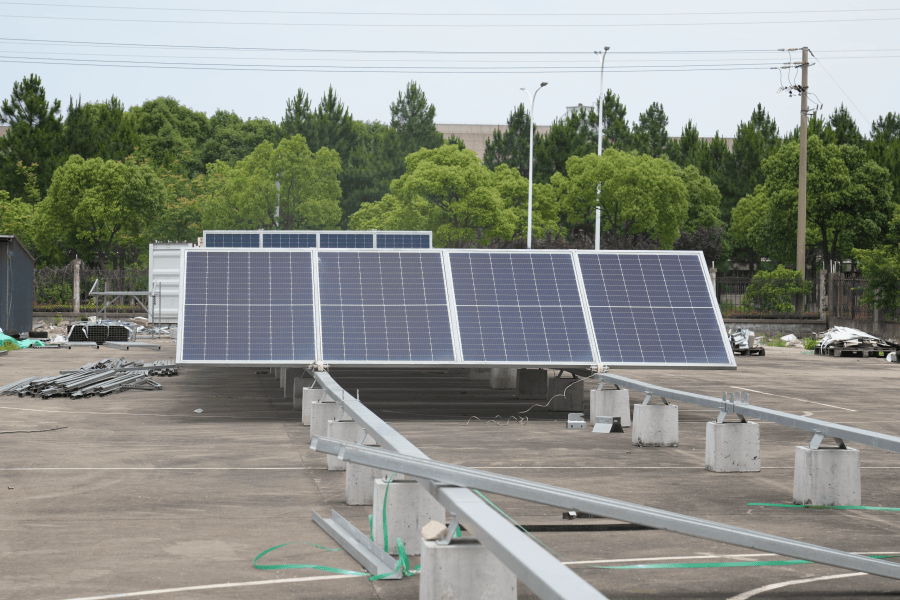 Honestly, this hands-on experience shows how hybrid systems turn headaches into wins.
Expert Insights: Demystifying C-Rate, Thermal Management, and LCOE
Let's break down the tech in plain terms. C-rate is how fast a battery charges or discharges - like a speedometer. For data centers, aim for a 1C rate to balance quick response without stressing the system. Thermal management is crucial; LFP batteries hate heat. Our liquid-cooled setups keep temps stable, boosting lifespan. As for LCOE, it's the total cost per energy unit over time. Hybrids win here: NREL studies show they lower LCOE by 25% vs diesel-only in the long run. At Highjoule, we bake this into our IEC-compliant designs, ensuring you get max bang for your buck. What's your biggest backup power worry? Let's tackle it over a virtual coffee.
Tags: BESS Renewable Energy LFP Battery Data Center Backup Hybrid Solar-Diesel System
Author
James Zhang
20+ years agricultural energy storage engineer / Highjoule CTO