
Novec 1230 Fire Suppression for PV Container: Pros & Cons for Ag Irrigation
Contents
- The Problem: Energy in the Middle of Nowhere
- Why Battery Safety Keeps You Up at Night
- Novec 1230: The Clean Agent Explained
- The Tangible Benefits for Your Farm Operation
- The Honest Drawbacks & Considerations
- A Real-World Case: California Almonds
- Making the Right Choice for Your Land
The Problem: Energy in the Middle of Nowhere
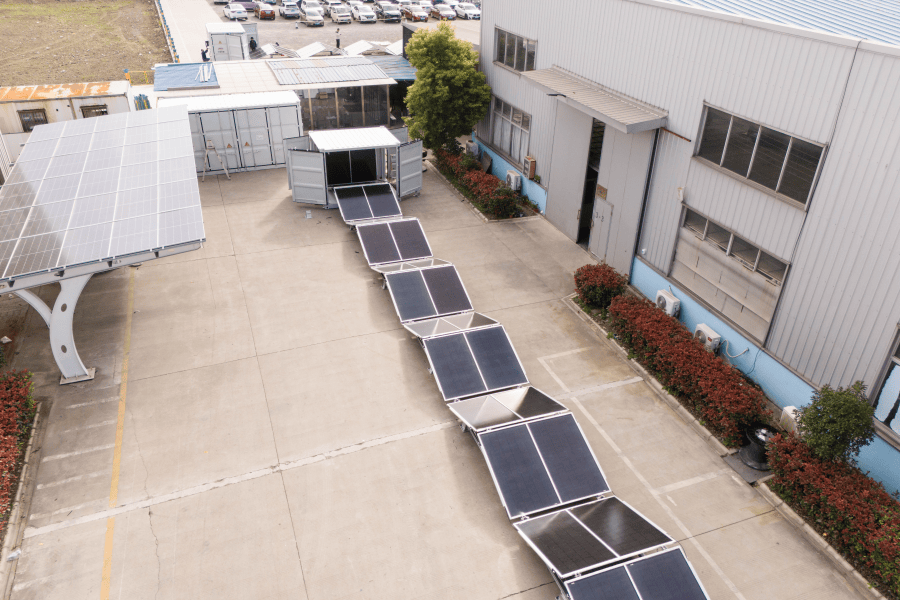
Let's be honest. If you're managing a large-scale agricultural operation in California's Central Valley or the plains of Spain, your primary concern is water and yield, not kilowatt-hours. But the two are inextricably linked now. Diesel pumps are expensive and dirty, and grid power isn't always reliable or even available where you need it most. That's why pairing solar PV with a battery energy storage system (BESS) in a pre-integrated container is such a compelling idea. It's a power plant you can drop anywhere. But here's the catch I've seen firsthand on site: you're placing a high-density lithium-ion battery bank, a significant energy store, right next to your critical irrigation infrastructure. Often, miles from the nearest fire station.
Why Battery Safety Keeps You Up at Night
This isn't theoretical. Thermal runaway - a cascading battery failure that generates intense heat and toxic gases - is a rare but severe risk. In an industrial park, mitigation is one thing. On a remote farm, a fire could mean losing not just the unit, but the entire season's irrigation capability. The National Renewable Energy Lab (NREL) notes that while failure rates are low, designing for safety is non-negotiable, especially in isolated, mission-critical applications. This risk directly impacts your project's insurance costs, permitting timeline, and ultimately, your peace of mind. You're not just buying a battery; you're buying risk management.
Novec 1230: The Clean Agent Explained
So, how do responsible providers like us at Highjoule Technologies address this? One of the most discussed solutions is pre-integrating a fire suppression system using a clean agent like Novec? 1230 fluid. Think of it as a specialized, gaseous fire extinguisher built into the container. Unlike water, which can cause electrical damage, or some traditional chemicals that leave residue, Novec 1230 is designed to extinguish fires by removing heat without harming sensitive electronics or leaving a mess. It's electrically non-conductive and has a low toxicity profile, which is crucial for unmanned sites.

How It Works in a Pre-Integrated Container
The system is engineered from the ground up. Smoke and heat detectors are strategically placed within the battery rack modules. At the first confirmed sign of thermal event, the system discharges the Novec 1230 agent, flooding the sealed container volume in seconds. This rapid cooling effect can suppress a nascent fire before it cascades. It's a "set-and-forget" safety net that aligns with strict standards like UL 9540A for fire testing, which is fast becoming a benchmark for authorities having jurisdiction (AHJs) across the US and EU.
The Tangible Benefits for Your Farm Operation
Okay, so why consider this specific setup? The benefits are practical and directly tied to your bottom line and operational resilience.
- Unmatched Safety for Remote Sites: This is the big one. It provides active, automatic protection 24/7, significantly reducing the risk of total asset loss. This isn't just about protecting the BESS; it's about protecting your ability to water your crops.
- Faster Permitting & Lower Insurance Premiums: Honestly, this is a huge deal in the field. When we present a system to local fire marshals or planning boards with a UL-compliant, pre-engineered suppression system, the approval process smoothes out. Insurers see a mitigated risk, which can translate to better terms. It de-risks the project on paper.
- Zero Residue, Minimal Downtime: If the system ever activates, the clean-up is straightforward. The agent evaporates, leaving no corrosive residue on your expensive battery cells or power electronics. This means you can potentially inspect, reset, and return to service faster compared to a water or powder-based suppression event.
- System Longevity & LCOE: By integrating robust thermal management (which works hand-in-hand with fire suppression), we maintain optimal battery temperature. This reduces stress, extends cycle life, and directly improves your Levelized Cost of Energy (LCOE) - the true measure of your investment's value over 15-20 years.
The Honest Drawbacks & Considerations
No solution is perfect, and as an engineer who has to justify costs, I need to lay these out clearly.
- Upfront Cost Premium: A pre-integrated Novec 1230 system adds capital expense. You're paying for specialized cylinders, piping, detectors, and control panels. For a very small system, the cost-benefit ratio might be harder to justify.
- Container Integrity & Sealing: For the gas to be effective, the container must be reasonably sealed during discharge. This requires careful design of cable entries, ventilation dampers, and doors. It adds a layer of complexity to the container build that not all suppliers get right.
- Agent Cost & Recharge: Novec 1230 is a premium chemical. If the system is ever discharged, the recharge cost is a line item to be aware of. It's part of the operational risk calculus.
- Not a "Fix-All" for Thermal Runaway: This is critical to understand. While excellent at suppressing flames and cooling, the agent may not stop a deeply rooted thermal runaway event in every single cell instantly. It's a vital first-response layer, but the core battery design - cell quality, spacing, cooling (Thermal Management), and internal fire barriers - is what prevents the event in the first place. At Highjoule, we view suppression as the last line of defense in a multi-layered safety architecture.
A Real-World Case: California Almonds
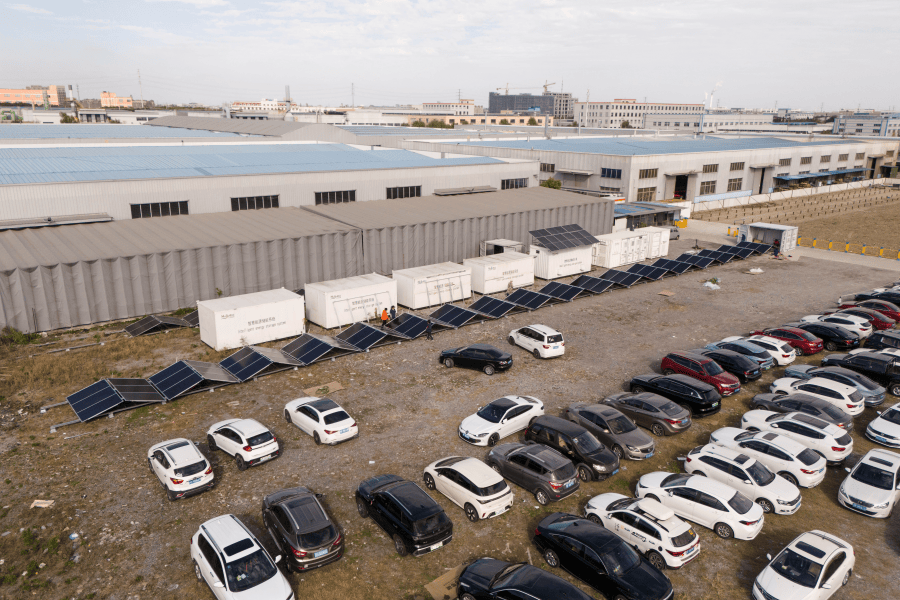
Let me give you a real example from our portfolio. A large almond grower in Fresno County, California, wanted to shift a critical irrigation load off-grid. The site was remote, fire risk was a major seasonal concern, and the local utility had capacity constraints. Their main challenges were: 1) Guaranteeing water pumping during peak sun hours and into the evening, 2) Getting the system permitted without a year-long fight, and 3) Ensuring absolute safety to protect a multi-million dollar orchard.
The solution was a 500 kWh pre-integrated PV container with Novec 1230 suppression. The fire marshal reviewed the UL 9540A test data and the engineered suppression plans, and the permit was approved in weeks, not months. The system now runs the pumps, and the grower sleeps better knowing there's an automated safety system guarding that vital energy asset. The C-rate (charge/discharge rate) was carefully calibrated to balance pump power demand with battery longevity - a key detail often overlooked in agricultural specs.
Making the Right Choice for Your Land
So, is a Novec 1230 pre-integrated container right for your agricultural irrigation project? Ask yourself and your provider these questions:
- How remote is the site, and what is the fire department response time?
- What are the specific insurance requirements and local (AHJ) codes for standalone energy systems?
- Is the supplier's container truly designed for gas suppression (sealing, sensor placement), or is it an afterthought?
- What is the core battery design and thermal management system? Suppression should complement, not compensate for, poor design.
At Highjoule, our approach has always been to engineer the risk out from the cell level up. The decision to include a system like Novec 1230 comes down to your specific site risk, regulatory environment, and the value you place on operational certainty. For many large-scale farms, it's not just an option; it's a responsible part of the infrastructure. What's the one question about on-farm energy safety you haven't gotten a straight answer on yet?
Tags: Energy Storage Container UL Standard BESS Solar Irrigation Fire Suppression Agricultural Energy
Author
James Zhang
20+ years agricultural energy storage engineer / Highjoule CTO