
Grid-forming BESS for Telecom Base Stations: A Practical Comparison for US & EU Operators
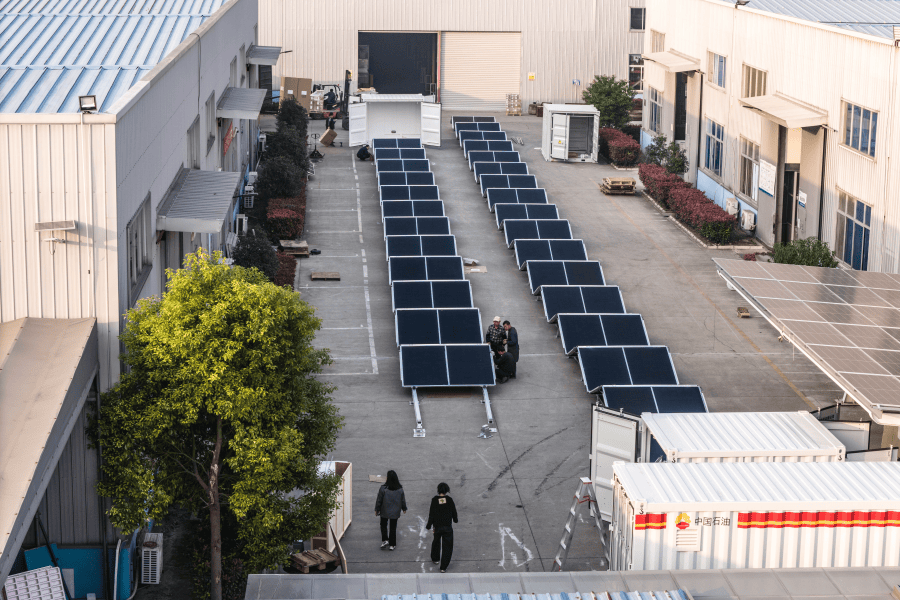
Table of Contents
- The Silent Problem: Your Base Station's Achilles' Heel
- Why It Hurts More Than You Think: The Real Cost of Downtime
- The Game-Changer: Grid-Forming BESS Isn't Just Backup
- Comparing Apples to Apples: What Matters on the Ground
- A Tale of Two Sites: A German Case Study
- The Highjoule Difference: Engineering for the Real World
- Your Next Move: Questions to Ask Your Vendor
The Silent Problem: Your Base Station's Achilles' Heel
Let's be honest. When we talk about telecom base stations, we obsess over coverage, bandwidth, 5G rollout. But the foundation of it all? Power. Reliable, clean, always-on power. For years, the standard playbook has been diesel gensets for backup, maybe with some basic battery strings that just sit there waiting for a grid blip. But here's what I've seen firsthand, from California to North Rhine-Westphalia: that model is cracking. The grid is getting more intermittent with renewables, weather events are more severe, and frankly, the noise and emissions from diesel just don't fly anymore with communities or regulators. You're not just managing a network; you're managing a distributed fleet of critical power assets. And the old tools aren't cutting it.
Why It Hurts More Than You Think: The Real Cost of Downtime
We all know downtime is expensive. But let's agitate that a bit. It's not just about dropped calls. For a major operator, a single site outage can trigger massive SLA penalties, not to mention the brand damage. I recall a project in Texas where a site went down during a heatwave due to grid overload and a failed genset start. The financial hit was six figures in minutes. On top of that, operational costs are sneaking up. Diesel fuel is volatile, maintenance is a constant chore, and carbon taxes in Europe are making that "cheap" backup source painfully expensive. According to the National Renewable Energy Lab (NREL), leveraging storage for grid services can offset 20-40% of a system's annualized cost. That's money left on the table if your BESS just sits in standby mode.

The Game-Changer: Grid-Forming BESS Isn't Just Backup
This is where the comparison of grid-forming BESS for telecom base stations gets really interesting. We're not talking about your grandfather's battery. A traditional, grid-following BESS needs a stable grid signal to sync up and operate. When the grid goes down, it goes down too, waiting for a genset to establish a signal. A grid-forming BESS is different. It can create its own stable voltage and frequency waveform, acting as the "boss" of a microgrid. It can black start a site, seamlessly bridge grid outages, and even support weak grids by providing inertia-like services. For a telecom site, this transforms your power system from a passive backup into an active, resilient asset.
Comparing Apples to Apples: What Matters on the Ground
So, you're looking at specs for grid-forming BESS solutions. The datasheets are full of jargon. Let me translate the key points from an engineer's perspective, the stuff that actually matters when you're standing at a remote site in the middle of the night.
- True Grid-Forming Capability vs. Marketing Hype: Does it actually black start from a totally dead grid and a depleted battery state? Can it handle the violent inrush current of all your site equipment kicking on at once? Ask for the certification test reports, not just a bullet point.
- C-rate & Thermal Management: This is critical. A high C-rate means the battery can discharge power quickly, which is great for handling sudden load spikes. But it also generates heat. I've seen systems throttle performance because their thermal management (cooling) couldn't keep up. In Arizona or Spain, that's a deal-breaker. A robust, active liquid cooling system often beats passive air cooling for long-term reliability and sustained high power.
- Compliance is Not Optional: In the US, UL 9540 for the overall system and UL 1973 for the batteries are your safety bedrock. In Europe, you're looking at IEC 62619. A vendor's system must be certified, not just components. This is non-negotiable for insurance and site permitting.
- The LCOE (Levelized Cost of Energy) Mindset: Don't just look at upfront capex. Think total lifetime cost. A premium grid-forming BESS with superior cycle life and the ability to earn revenue through grid services (where markets allow, like FFR in the UK or ancillary services in PJM) will have a far better LCOE. It's an asset, not a cost center.
A Tale of Two Sites: A German Case Study
Let me give you a real example. We worked with a German operator in Lower Saxony who had a cluster of sites in an area with frequent grid sags due to nearby wind farm curtailment. Their old lead-acid batteries were failing constantly, and diesel runs were eating into margins.
The challenge was to ensure 99.99% uptime, eliminate diesel runtime for outages under 2 hours, and participate in the German primary control reserve market to generate revenue.
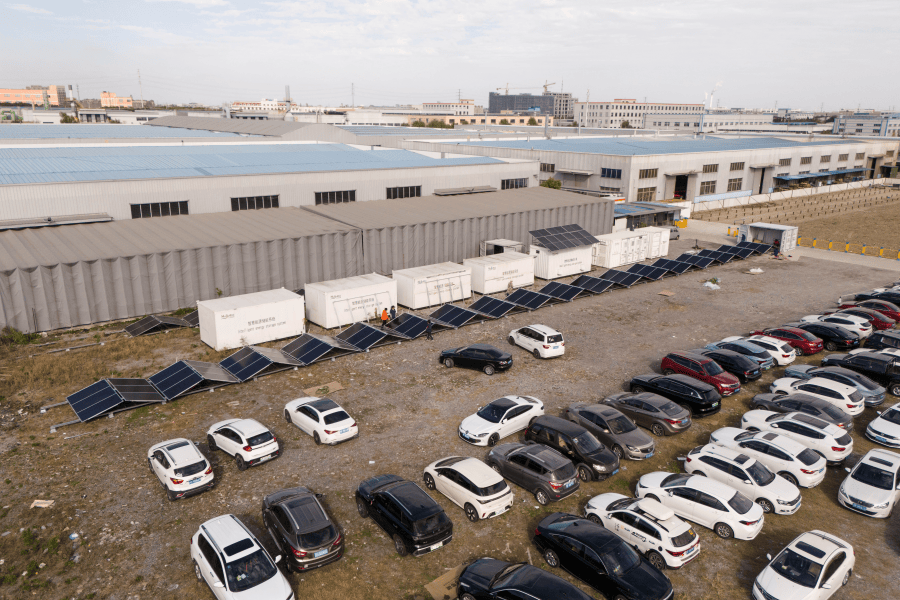
We deployed a containerized, grid-forming BESS solution with a high-cycle-life LFP chemistry. The key was the system's ability to detect a grid disturbance and island the site in less than 20 milliseconds - seamlessly. For longer outages, it would form a stable microgrid. Honestly, the coolest part was the system's "grid-support" mode: during normal operation, it would automatically charge/discharge to provide frequency regulation to the national grid, creating a steady income stream that paid back a significant chunk of the system's lease cost. The operator moved from seeing power as an expense to managing a profitable grid asset.
The Highjoule Difference: Engineering for the Real World
At Highjoule, with nearly two decades in the field, we've built our approach around these gritty realities. Our GridSynk platform for telecom isn't just a product; it's a system engineered for the specific duty cycle of a base station. That means:
- We design for the worst-case thermal environment from the start, with scalable cooling that doesn't choke on a hot day.
- Our system architecture is built to comply with both UL and IEC worlds, simplifying global deployments.
- We focus on LCOE optimization. Our team doesn't just sell you a box; we model your specific site loads, tariff structures, and local grid service markets to show you the full financial picture over 10+ years.
- Deployment and support are local. Whether it's a site in Nevada or Norway, you're dealing with a crew that knows the local codes, the local grid operator, and how to get things done.
Your Next Move: Questions to Ask Your Vendor
Don't get lost in the spec sheet war. When you're comparing grid-forming BESS solutions, sit down with your engineering team and ask the vendor these questions, the ones we'd ask each other over coffee:
- "Walk me through the exact sequence of events when the grid fails at 2 AM. What does your controller actually do?"
- "Can I see the full UL 9540/IEC 62619 certification report for the system-as-tested, not just component certs?"
- "What's the derating curve for your system's output at 45C ambient temperature?"
- "Based on my site load profile and local market rules, what's your projected annual revenue or cost-offset for this system?"
The right grid-forming BESS should give you answers that are as solid as the power it provides. It's time to power your network with the same intelligence you've built into the signal.
Tags: UL Standard LCOE Grid-forming BESS Telecom Energy Storage Battery Storage Microgrid IEC Standard North America Europe
Author
James Zhang
20+ years agricultural energy storage engineer / Highjoule CTO