
Rapid Deployment 1MWh Solar Storage for Remote Island Microgrids
Contents
- The Island Energy Struggle
- Why "Rapid Deployment" Matters More Than You Think
- Making the Megawatt-Hour Work: A Real-World Case
- Under the Hood: Technical Truths for Non-Technical Folks
- Your Next Step
The Island Energy Struggle
Honestly? Working on remote island projects feels like building a ship in a bottle. You've got pristine environments, complex logistics (ever tried unloading gear on a rocky pier with swells?), and communities utterly reliant on diesel generators coughing out fumes and draining budgets. That 1MWh solar storage system isn't just equipment C it's their lifeline to cleaner air and predictable power bills. But here's the kicker: Traditional deployment? Months of site prep, containers piling up at docks, engineers stranded waiting for parts. I've seen projects bleed $50k/day just in delay penalties and emergency diesel shipments. Island time shouldn't mean project time.
Why "Rapid Deployment" Matters More Than You Think
Let's cut through the hype. "Rapid" isn't just about speed; it's about predictability. For islands, the 1MWh scale hits the sweet spot C big enough to displace serious diesel, small enough to ship and commission fast. Consider this: IRENA reports islands pay 30-50% more for electricity than mainland grids, with fuel costs devouring budgets. Every week shaved off deployment means thousands saved. But speed kills if corners are cut. That UL 9540A certification? It's not paperwork C it's preventing a thermal runaway incident when you're 3 days by boat from the nearest fire crew. I've walked sites where undersized thermal management fried cells in tropical heat. Real reliability means engineering for the environment, not just the spec sheet.
Making the Megawatt-Hour Work: A Real-World Case
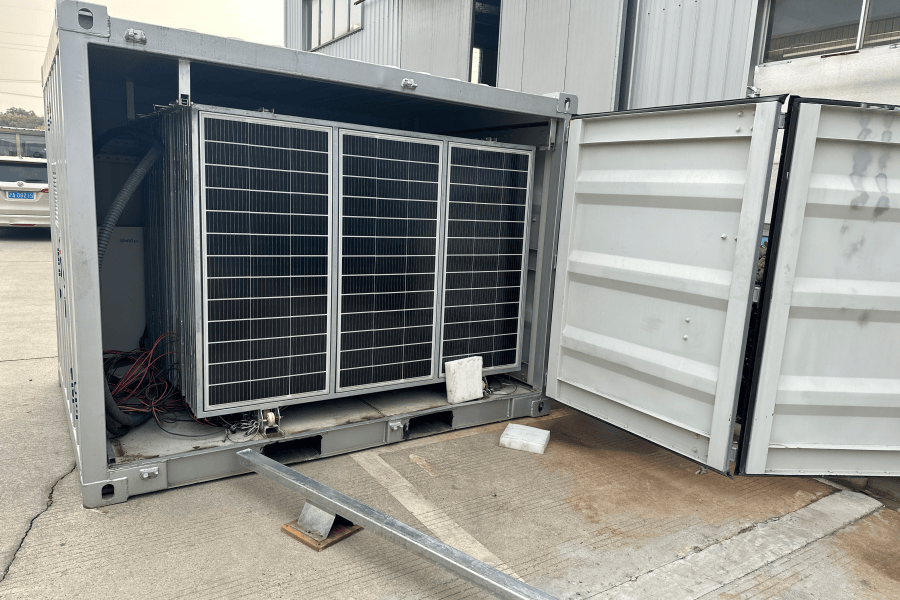
Take that project off California's Channel Islands last year. Challenge: Replace aging diesel gensets powering a research station. Zero grid connection, helicopter-only access for heavy gear, and a strict 8-week weather window. Solution? Pre-integrated 1MWh BESS units C think'energy appliances' with factory-tested power conversion, climate control, and safety systems. We shipped them in ocean containers sized for island ferries. On-site? It was like Lego blocks: foundations pre-poured by local crews, containers craned in, DC pre-connects snapped together. Commissioning took 72 hours, not weeks. 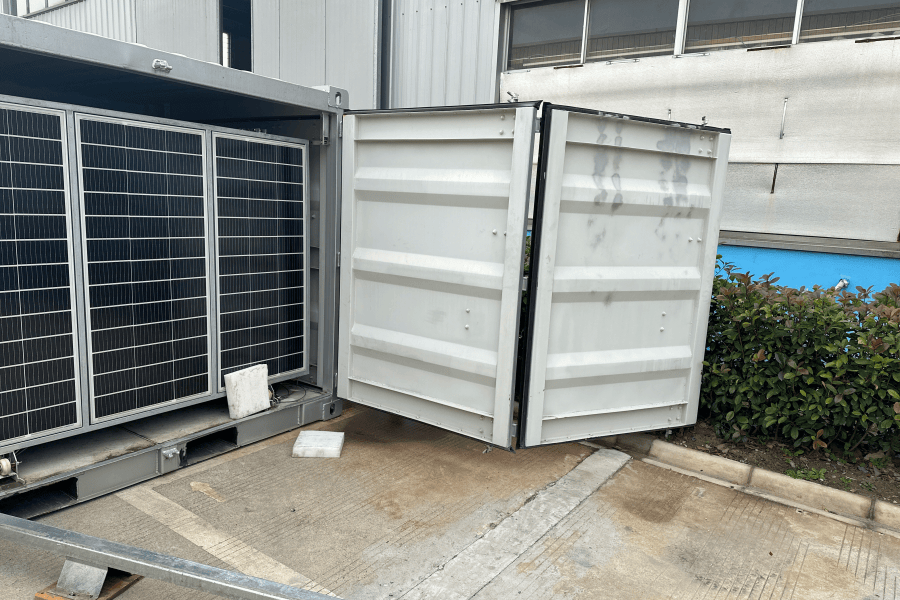 . Key was the modular LFP architecture C scalable voltage without custom engineering. For Highjoule, meeting UL 1973 and IEC 62619 wasn't a checkbox; it meant the system passed seismic tests crucial for that Pacific fault line. Six months in, they're at 89% diesel offset. That's tangible.
Under the Hood: Technical Truths for Non-Technical Folks
Okay, jargon time made simple: Your "C-rate" is how hard you push the battery. Like revving a truck engine constantly vs. cruising. For island microgrids, you want a system comfortable at C/2 or C/3 daily C balancing performance and longevity. Thermal management? Liquid cooling beats air hands-down in salt-spray islands. Passive systems clog; active liquid loops handle humidity surges. And LCOE? It's your total lifetime cost per kWh. Here's the insight from our deployments: A system costing 10% more upfront but with 20% longer lifespan (thanks to gentle C-rates and robust cooling) slashes LCOE. That's smarter capex. What I've seen firsthand: Optimizing LCOE beats chasing the cheapest sticker price every single time for island operators. It's about sweat, not just sun.
Your Next Step
Considering a 1MWh island project? Ask your supplier: "Show me the UL 9540A test report for this config." "Prove thermal stability at 40C ambient." "Can your containers handle Pacific-level salt spray corrosion?" Islands demand resilience, not just specs. What's your biggest headache in remote deployments today?
Tags: LCOE Optimization Island Microgrids Solar Storage Solutions BESS Rapid Deployment UL IEC Standards
Author
James Zhang
20+ years agricultural energy storage engineer / Highjoule CTO