
Environmental Impact of 20ft Hybrid Solar-Diesel BESS for Telecom Towers
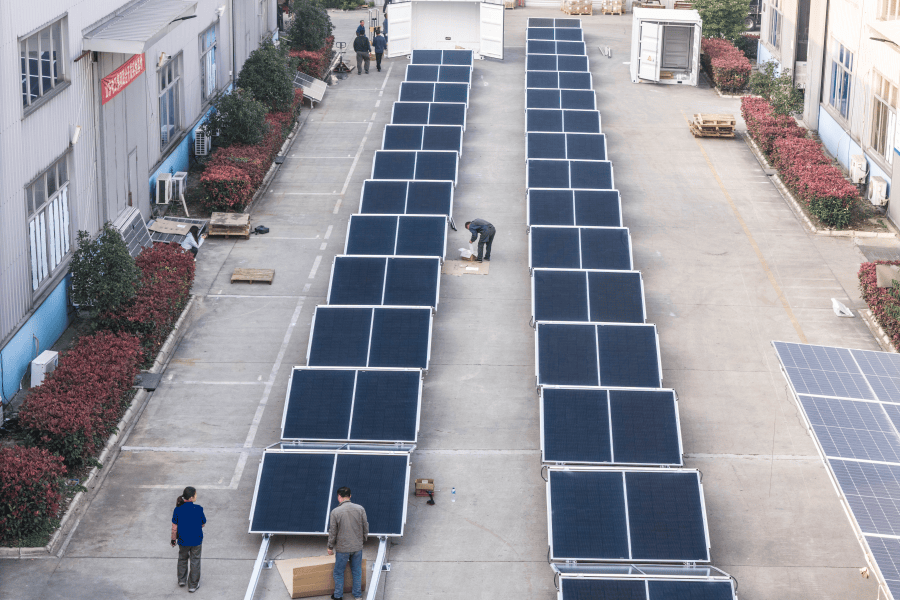
Table of Contents
- The Silent Energy Drain in Telecom
- Beyond Fuel Bills: Hidden Environmental Toll
- 20ft Hybrid Systems: Where Solar Meets Smart Storage
- California Mountains: A Real-World Turnaround
- Thermal Management & LCOE: Why They Matter
- Your Site, Your Energy Future
The Silent Energy Drain in Telecom
Honestly, if you've ever visited a remote telecom site in the Arizona desert or the Scottish Highlands, you know the drill: that constant thrum-thrum-thrum of diesel generators. They're the lifeline, sure, but also the dirty secret. I've lost count of the sites I've visited where operators whisper about fuel theft, sky-high maintenance costs, and that nagging guilt about the carbon footprint. Off-grid or bad-grid towers? They're practically married to diesel. And let's be real C those 20ft shipping containers often just house more generators, not solutions. The problem isn't just using diesel; it's being utterly dependent on it. Every kilowatt-hour from that gen-set comes with invisible baggage: CO2, NOx, and noise pollution that communities increasingly push back against.
Beyond Fuel Bills: The Hidden Environmental Toll
Let's talk numbers C because I've seen the spreadsheets that keep operators up at night. The IEA reports telecoms consume over 2% of global electricity, with off-grid sites relying 90%+ on diesel. That's not just expensive; it's ecologically brutal. Picture this: A single remote tower gulping 20,000 liters of diesel annually, spewing ~50 tons of CO2. Multiply that by thousands of sites. I've watched sites in wildfire-prone areas where diesel delivery risks are insane, and in eco-sensitive zones where regulators are breathing down necks. The agitation isn't just financial; it's operational and reputational. When your backup power solution is the environmental liability, you're walking a tightrope.
The 20ft Game-Changer: Where Solar Meets Smart Storage
This is where our 20ft High Cube Hybrid Solar-Diesel system steps in C and honestly, I've deployed enough of these now to call it a quiet revolution. Picture a standard shipping container footprint: Inside, it's not just batteries, but an orchestra of solar inverters, advanced BMS, and smart controllers that make diesel the last-resort player, not the lead singer. We integrate high-efficiency PV arrays feeding into UL 9540A-certified LFP battery stacks (like our 3.44MWh container systems), slashing diesel runtime by 60-80%. The magic? It's not just adding solar; it's the intelligence. The system predicts weather, load patterns, and fuel levels, deciding in real-time whether to pull from sun, battery, or C only when absolutely necessary C that diesel gen-set. Suddenly, that 20ft container isn't a problem; it's your decarbonization workhorse.
Case Study: Sierra Nevada Mountains, California
Remember that wildfire risk I mentioned? Take a major telco's site near Lake Tahoe. Diesel-only, with 4-hour round-trip refuels through steep terrain. Fire season meant constant anxiety. We rolled out a hybrid 20ft solution: 120kW solar canopy + 280kWh LFP storage (C-rate optimized for telecom load spikes) + existing diesel. The outcome? Diesel consumption dropped 76% in the first year. That's ~38 tons of CO2 gone annually from one site. Maintenance visits? Halved. During a 2025 winter storm that took down the grid, the site ran 72 hours on solar/battery alone before touching diesel. The local fire chief actually sent a thank-you note C less fuel truck traffic on high-risk roads. That's impact you can measure in more than dollars.
Thermal & LCOE: The Nuts and Bolts for Non-Tech Folks
Okay, let's geek out for a minute C but I'll keep it coffee-chat simple. Two things make or break these systems: Thermal Management and LCOE. First, heat: Batteries hate baking. In a sealed container under the Texas sun? Without liquid cooling (like in our Highjoule setups), temperatures spike, lifespan craters, and safety risks climb. Proper thermal systems keep cells at 25-30C C think "climate-controlled wine cellar for batteries." Second, LCOE (Levelized Cost of Energy): Fancy term for "true cost per kWh over the system's life." Diesel-only might seem cheap upfront until you factor in fuel, maintenance, and carbon penalties. Hybrid systems? Higher initial investment, but over 10 years, that LCOE plummets. NREL studies show hybrid BESS LCOE can undercut diesel by 40%+ in sunny locales. It's not just greener; it's smarter economics.
Your Site, Your Energy Future
Look, I've been on muddy sites at 2 AM troubleshooting battery alarms. I know deploying tech in the field isn't theoretical. But when telcos in Germany's North Rhine-Westphalia now face carbon taxes, or US operators juggle wildfire mandates, that 20ft hybrid container stops being optional. It's your shield against regulation, your hedge against fuel volatility, and frankly, your ticket to quieter neighbors. What's the one pain point your remote site can't ignore anymore?
Tags: UL Standard BESS LCOE Hybrid Solar-Diesel Telecom Energy Carbon Reduction
Author
James Zhang
20+ years agricultural energy storage engineer / Highjoule CTO