
Environmental Impact of All-in-one Integrated Lithium Battery Storage Container for Agricultural Irrigation
Contents
- The Quiet Energy Crisis on the Modern Farm
- The Hidden Environmental Cost of "Business as Usual"
- The All-in-One Advantage: More Than Just a Container
- A California Case Study: Almonds, Grid Strain, and a Sustainable Fix
- Beyond the Battery: Understanding the Key Specs That Matter
- Making the Right Choice for Your Land
The Quiet Energy Crisis on the Modern Farm
Hey there. If you're running a farm or managing agricultural operations in North America or Europe, you know the drill. The sun comes up, the irrigation pumps need to kick in, and your energy bill takes a noticeable jump. It's a predictable cycle, but honestly, it feels like you're at the mercy of the grid and volatile energy prices. I've been on sites from the Central Valley in California to the farmlands of northern Germany, and the story is similar: rising operational costs and a growing unease about long-term sustainability. The push for efficient water management is everywhere, but what about the energy that powers it all? That's where the conversation about the Environmental Impact of All-in-one Integrated Lithium Battery Storage Container for Agricultural Irrigation really begins. It's not just about storing power; it's about reshaping the environmental and economic footprint of one of your biggest energy loads.
The Hidden Environmental Cost of "Business as Usual"
Let's agitate that pain point a bit. When irrigation systems draw power directly from the grid during peak hours, you're not just paying a premium rate. You're often pulling electricity generated from fossil fuels, especially during times of high demand when less efficient "peaker" plants are fired up. According to the International Energy Agency (IEA), the agriculture sector accounts for a significant portion of global electricity demand, and irrigation is a major driver. This reliance creates a double whammy: high costs for you and higher carbon emissions overall.
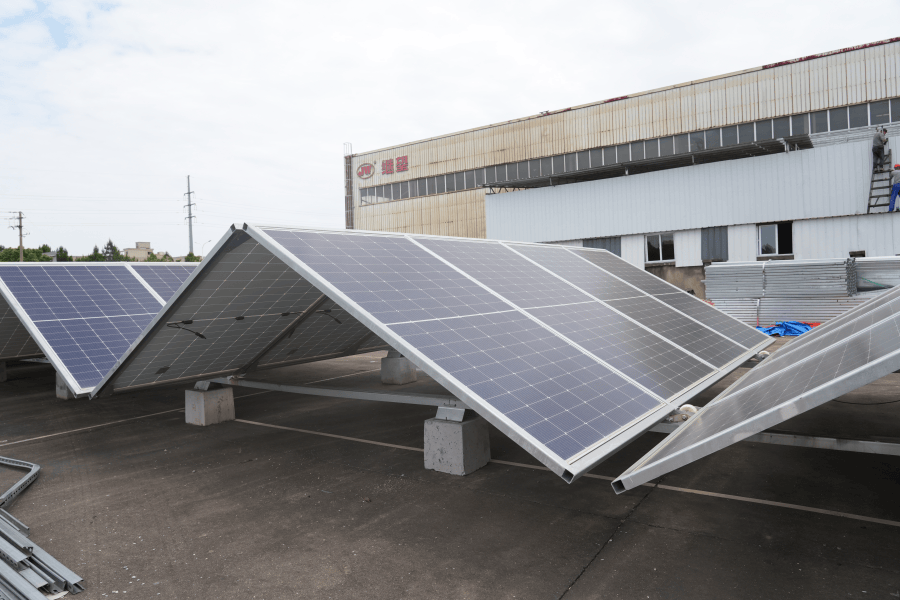
Furthermore, in many rural areas, the grid infrastructure is aging. I've seen transformers overload and voltage dips cause pump motors to strain and fail prematurely. This isn't just an inconvenience; it's a waste of resources. You replace hardware more often, and the inefficiency burns more energy. Then there's the dream of going solar. Many farms have installed PV panels, but without storage, that abundant midday solar energy goes to waste when you need to pump water at dawn or dusk. You end up selling it back to the grid at a low rate only to buy it back later at a high rate. It's a frustrating cycle that undermines the environmental benefits of your solar investment.
The All-in-One Advantage: More Than Just a Container
So, what's the solution? This is where the modern, integrated lithium battery energy storage system (BESS) comes in, specifically designed as a containerized solution for rugged farm environments. We're not talking about a makeshift setup of loose components. An all-in-one integrated container is the game-changer. It arrives on your site pre-assembled, pre-tested, and ready to connect. Inside that secure, weatherproof shell, you have the lithium-ion battery racks, the thermal management system, the power conversion system (PCS), and the fire suppression and safety controls - all designed to work in perfect harmony.
From a deployment perspective, this integration is a lifesaver. I remember a project in Texas where the plug-and-play nature of our Highjoule container meant we had the system commissioned and operating alongside the new solar array in under a week. The client avoided months of complex engineering and on-site assembly. But the real magic is in the environmental impact. By storing cheap, off-peak, or excess solar energy, you directly displace the need for peak, carbon-intensive grid power. You flatten your demand curve, which reduces stress on the local grid infrastructure - a benefit your utility company will appreciate. You also maximize self-consumption of your solar generation, pushing your operation closer to true energy independence and slashing your Scope 2 emissions. It turns your irrigation system from a grid burden into a model of smart, responsive energy use.

A California Case Study: Almonds, Grid Strain, and a Sustainable Fix
Let me give you a real example. We worked with a mid-sized almond grower in California's San Joaquin Valley. Their challenge was classic: high irrigation demand during hot, dry months coincided with the state's peak grid demand (and highest prices). They had solar, but it wasn't enough to cover the morning and evening irrigation runs. Their goal was to reduce costs, ensure reliability during Public Safety Power Shutoff events, and improve their sustainability branding for export markets.
We deployed a single 500 kWh Highjoule integrated container alongside their existing solar. The system was designed to a 1C rate, meaning it could discharge its full capacity over an hour - perfect for matching their pump schedules. The integrated liquid cooling thermal management kept the batteries at optimal temperature even during 110F (43C) valley heat, which is critical for long life and safety. The outcome? They shifted over 85% of their irrigation load off the peak grid. Their annual energy costs dropped by over 30%, and they now have 6+ hours of backup power for critical operations. When they talk to their buyers, they can point to a tangible reduction in their carbon footprint per pound of almonds produced. That's a powerful story.
Beyond the Battery: Understanding the Key Specs That Matter
As a buyer, you'll hear a lot of technical terms. Let me break down two crucial ones in plain English:
- C-rate: Think of this as the "speed" of the battery. A 1C rate means a 500 kWh battery can deliver 500 kW of power for 1 hour. A 0.5C rate means it delivers 250 kW for 2 hours. For irrigation with large pump motors that need a big power surge to start, you need a system with an appropriate C-rate. An undersized system might not be able to handle the inrush current, causing faults.
- Thermal Management: This is the system's climate control. Lithium batteries perform best and last longest within a specific temperature range. I've seen air-cooled systems in hot climates struggle, leading to reduced output and faster degradation. An integrated liquid cooling system, like in our units, quietly and efficiently maintains the perfect temperature, which directly translates to a lower Levelized Cost of Storage (LCOS) - the total cost of owning and operating the system over its life. You get more cycles and more reliability.
And of course, compliance isn't just a checkbox. Your system must be built to the standards that govern your market - UL 9540 for the overall system and UL 1973 for the batteries in North America, and IEC 62619 for the international market. This isn't just about paperwork; it's about a fundamental design philosophy that prioritizes safety from the cell level up. At Highjoule, this is baked into every container we ship.
Making the Right Choice for Your Land
Choosing the right storage solution is an operational and an environmental decision. It's about looking at your irrigation schedule, your energy bills, your solar production, and asking: "Can we do this cleaner, smarter, and more cost-effectively?" The data and the field results from projects across the US and EU are clear: intelligently deployed battery storage is a powerful affirmative answer.
The right partner should help you navigate this, not just sell you a box. They should ask about your water table, your pump horsepower, and your future crop plans. They should provide clear modeling on your potential cost savings and carbon reduction. And they must stand behind the system with local service and support. After two decades in this field, I believe that's what separates a good investment from a great one. So, what does your current energy usage for irrigation look like, and where would you want to be in five years?
Tags: UL Standard BESS Agricultural Irrigation Microgrid Environmental Impact Lithium Battery Storage
Author
James Zhang
20+ years agricultural energy storage engineer / Highjoule CTO