
Environmental Impact of Rapid Deployment Mobile Power Container for Construction Site Power
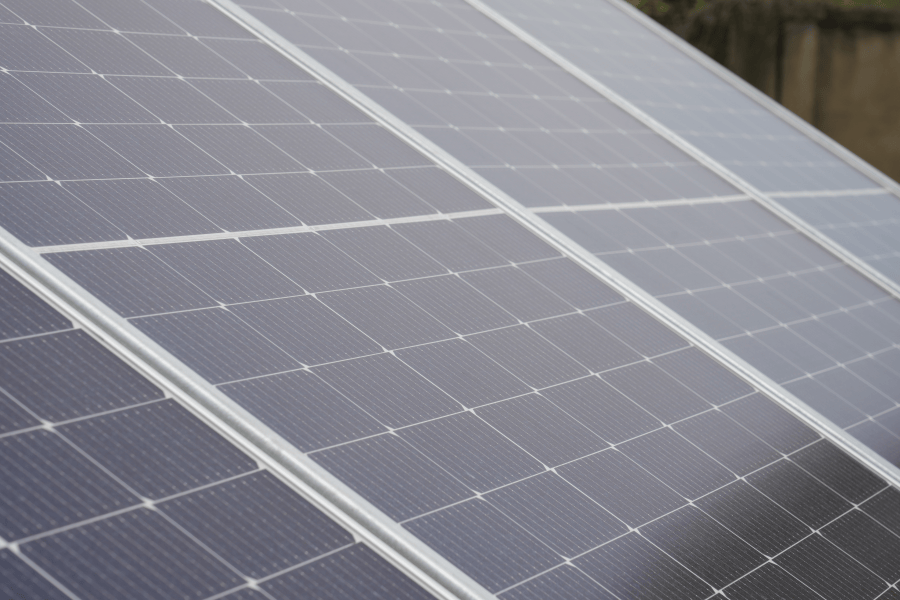
Table of Contents
- The Hidden Environmental Cost of Your Jobsite Generator
- Beyond CO2: Noise, Spills, and Community Friction
- The Mobile Power Container: More Than Just a Big Battery
- From Noise Complaints to Silent Power: A California Case Study
- Making It Work: Thermal Management, Safety, and the Real-World Numbers
- What's Your Next Step?
The Hidden Environmental Cost of Your Jobsite Generator
Let's be honest. When you're managing a construction timeline and budget, the environmental footprint of your temporary power setup is probably not top of mind. The diesel generator is the industry's old reliable C you roll it in, fuel it up, and you've got power. But after 20+ years on sites from Texas to Bavaria, I've seen the real, cumulative impact of this "business as usual" approach. We're talking about more than just tailpipe emissions, though those are significant. The Environmental Impact of Rapid Deployment Mobile Power Container for Construction Site Power is a conversation that's moving from the sustainability report to the core operational and financial planning meeting. And for good reason.
Here's a data point that always makes project managers pause: According to the International Energy Agency (IEA), diesel generators for off-grid and temporary power can be responsible for up to 10 times the CO2 emissions per kWh compared to grid-average electricity in many developed regions. On a large, 12-month project, that can translate to hundreds of tons of unnecessary carbon emissions. That's a liability, both for the planet and for your company's ESG goals.
Beyond CO2: Noise, Spills, and Community Friction
This is where my firsthand site experience really hits home. The environmental impact isn't just in the air. It's in the constant, low-frequency drone that strains worker communication and, frankly, drives nearby residents and businesses crazy. I've been called to sites where noise complaints were threatening to delay permits for the next phase. It's the risk of hydraulic or fuel spills on pristine land C a small accident with a long-lasting remediation headache. And it's the logistical footprint: constant fuel truck deliveries, adding local traffic, and yet another point of failure.
A mobile power container addresses these points head-on. By storing energy from the grid (ideally during off-peak, greener hours) or integrating directly with onsite solar, it creates a silent, zero-local-emission power hub. The reduction in fuel truck traffic alone is a visible win for community relations. You're not just buying power; you're buying peace.
The Mobile Power Container: More Than Just a Big Battery
So, what exactly are we talking about? At Highjoule, when we design a rapid deployment mobile power system for construction, we're engineering a solution, not just packaging batteries. It's a self-contained, secure unit that arrives on a trailer, is positioned, connected, and is operational often within a single day. The core of its positive environmental impact lies in its flexibility.
Think of it as a buffer and a manager. It can:
- Charge during low-demand, low-carbon intensity periods (like at night), then power the site during peak daytime hours, reducing strain on the local grid and avoiding peak tariffs.
- Integrate with temporary solar arrays. I've seen sites in Arizona set up a solar canopy over the material yard, feeding the power container and slashing diesel use by over 70%.
- Provide "soft" power. Unlike generators that must run at a constant RPM, a BESS delivers exactly the power needed for tools, lighting, and site offices, with no idle waste.
Our units are built to the toughest standards C UL 9540 for the energy storage system and UL 1973 for the batteries C because mitigating environmental risk starts with eliminating safety risks. A robust, multi-layer thermal management system (we use a liquid-cooled design) isn't just about longevity; it's about guaranteed performance in the desert heat or winter cold, ensuring the clean power is there when you need it.

From Noise Complaints to Silent Power: A California Case Study
Let me give you a real example. We worked with a major developer on a multi-use residential project in a dense suburban area of California. The challenge was threefold: strict local noise ordinances, ambitious corporate decarbonization targets, and a tight site with no room for multiple generator setups.
The solution was a 500 kWh Highjoule Mobile Power Container. It was deployed in a corner of the site during site prep. It charged primarily at night from the grid. During the day, it silently powered all site offices, tool charging stations, and perimeter lighting. For high-demand tasks like concrete pouring, it was supplemented by a single, smaller generator (run at optimal load), cutting the typical generator runtime by about 85%.
The results? Zero noise complaints. A calculated reduction of approximately 42 metric tons of CO2 equivalent over the 8-month phase. And, interestingly, a 13% reduction in weekly fuel logistics costs C a saving the project manager hadn't fully anticipated. The Levelized Cost of Energy (LCOE) C the total lifetime cost divided by energy output C for that phase became highly competitive when factoring in avoided fines, fuel savings, and social license benefits.
Making It Work: Thermal Management, Safety, and the Real-World Numbers
I won't sugarcoat it C to make this work environmentally and economically, the engineering has to be bulletproof. The "C-rate" C basically, how fast you can charge and discharge the battery C needs to match the construction site's demand profile. Too low, and you can't power the big equipment; too aggressive, and you stress the system. We design for a sustainable C-rate that ensures a long lifespan, reducing the long-term environmental burden of manufacturing replacements.
Thermal management is the unsung hero. In a steel container under the sun, temperatures soar. Passive air cooling often isn't enough. Our active liquid cooling keeps every battery cell within a perfect, narrow temperature band. This prevents degradation, maximizes efficiency (so you use every clean kWh you store), and is non-negotiable for meeting those UL safety standards we talked about.
The bottom-line math is getting easier every year. The upfront capital cost is higher than a generator, sure. But when you run a total cost of ownership model, factoring in:
| Fuel Savings & Price Volatility Hedge | Major Reduction |
| Maintenance (fewer moving parts) | ~60-70% Lower |
| Emissions Compliance Costs / Carbon Taxes | Largely Avoided |
| Community Relations & Permit Smoothing | Significant Value |
The case becomes compelling. You're future-proofing your operation against stricter regulations and building a reputation as a responsible neighbor.
What's Your Next Step?
The shift from diesel dependence to mobile, smart energy storage isn't a distant future concept. It's a practical, deployable solution today that directly tackles the Environmental Impact of Rapid Deployment Mobile Power Container for Construction Site Power. The question isn't really if the industry will adopt this, but how quickly.
What's the one persistent headache on your current or upcoming project C is it noise constraints, a remote location with insane fuel costs, or a corporate sustainability mandate that seems tough to meet on the ground? That's usually the best place to start the conversation. We've found that a site-specific analysis, looking at your power load profile and local conditions, can reveal opportunities that surprise even seasoned site managers.
Honestly, the quietest sites I visit now aren't the inactive ones C they're the ones powered by the hum of innovation, not diesel engines. What will your next site sound like?
Tags: Construction Site Power UL Standard BESS Environmental Impact Mobile Power Container Decarbonization Noise Pollution
Author
James Zhang
20+ years agricultural energy storage engineer / Highjoule CTO