
Environmental Impact of Tier 1 Battery Cell Hybrid Solar-Diesel Systems
Contents
- The Real Problem Isn't Just Fuel, It's Inefficiency
- The Hidden Cost: More Than Just Emissions
- The Smarter Path: Hybrid Systems with a Tier 1 Heart
- A Tale of Two Systems: California's Lesson in Resilience
- Why "Tier 1" Battery Cells Aren't Just Marketing Fluff
- Thinking Beyond the Battery Box: The Full System View
- What's Your Grid's Next Step?
The Real Problem Isn't Just Fuel, It's Inefficiency
Let's be honest. If you're managing a public utility grid, especially in areas relying on diesel gensets, you're caught in a tough spot. You have a mandate to keep the lights on, 24/7, but the pressure to reduce your environmental footprint grows louder every quarter. The classic dilemma: reliability versus sustainability. For years, adding solar seemed like the obvious green fix. But I've been on enough sites to know that slapping PV panels onto a diesel-heavy grid without the right storage backbone often creates more problems than it solves. You get unpredictable solar influx, which can destabilize the grid, and your diesel gensets end up "cycling" inefficiently - ramping up and down, burning fuel dirtier than if they just ran steadily. The environmental impact? Honestly, it can be worse than before.
The Hidden Cost: More Than Just Emissions
We all focus on CO2, and rightly so. The IEA points out that diesel generators are among the most carbon-intensive ways to produce power. But the environmental aggravation goes deeper. There's the local air pollution - NOx and particulates affecting community health. There's the noise pollution, a constant reminder of fossil dependency. And then there's the economic-environmental link: fuel is expensive and volatile. Every liter burned is a direct operational cost and an indirect environmental liability from extraction to transportation. I've seen utilities where the fuel bill is the single biggest line item, locking capital that could be used for modernization. This inefficiency isn't just an engineering problem; it's a financial and social burden.
The Smarter Path: Hybrid Systems with a Tier 1 Heart
So, what's the solution that actually moves the needle? It's the intelligent integration of solar, diesel, and a Battery Energy Storage System (BESS) built with Tier 1 battery cells. This isn't about replacing one source with another; it's about making them work in perfect, optimized harmony. The BESS becomes the brain and the shock absorber. It soaks up excess solar during peak sun, prevents curtailment, and then discharges that clean energy when demand spikes or the sun sets. This allows diesel generators to be shut down completely for long periods or to run only at their optimal, most efficient load point when absolutely necessary. The result? A drastic cut in runtime, fuel use, emissions, and maintenance. The Environmental Impact of a Tier 1 Battery Cell Hybrid Solar-Diesel System for Public Utility Grids is transformative because it attacks the root cause: operational inefficiency.

A Tale of Two Systems: California's Lesson in Resilience
Let me give you a real example. We worked with a municipal utility in California that served a remote community prone to Public Safety Power Shutoffs (PSPS). Their old setup: a large diesel plant with some solar. During fire risk days, they'd lose grid connection and run on diesel 24/7 - costly and smoky. Their goal was resilience and cleaner operation.
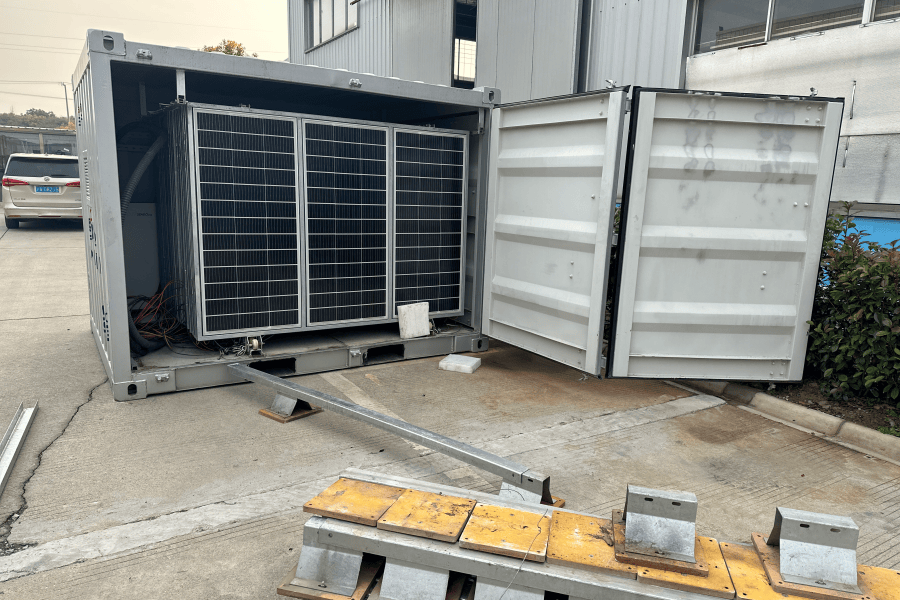
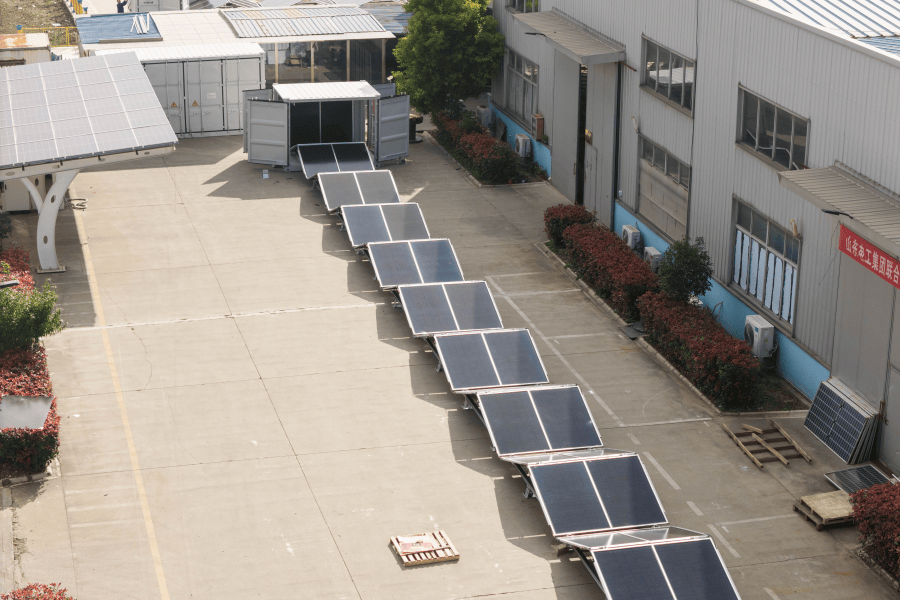
The challenge was integrating a BESS that could handle rapid, daily cycles from solar and also be ready for long-duration backup during multi-day outages. We deployed a 4MW/16MWh containerized BESS using Tier 1 cells, sandwiched between their 5MW solar farm and upgraded diesel gensets. The system's advanced controller now does this dance automatically:
- 06:00 - 18:00: Solar powers the community and charges the BESS to 100%.
- 18:00 - 22:00: BESS discharges, covering the evening peak. Diesel gensets stay off.
- 22:00 - 06:00: BESS supplies base load. Diesel only kicks in if the BESS hits a low reserve threshold.
- Grid Outage: System islanding. BESS is the primary source, with diesel as a synchronized backup, drastically reducing its runtime.
The outcome? A 70% reduction in diesel fuel consumption annually, a similar drop in emissions, and a Levelized Cost of Energy (LCOE) that fell by over 40% when factoring in saved fuel and maintenance. The community got quieter, cleaner air, and the utility gained a powerful grid-stabilization tool. This is the hybrid model working as intended.
Why "Tier 1" Battery Cells Aren't Just Marketing Fluff
You'll hear a lot about "Tier 1" cells. In our world at Highjoule, this isn't a vanity label. It's the foundation of safety, longevity, and ultimately, the environmental math of your project. Think about it: the core environmental benefit of a BESS is amortized over its lifetime. A cheap, low-cycle-life cell that fails early or degrades quickly becomes hazardous e-waste, negating its green purpose.
A Tier 1 cell - from manufacturers with proven scale, R&D, and rigorous quality control - delivers on key promises:
- Lower Degradation: They hold their capacity longer, meaning your system will deliver more MWh over 15 years than a lesser cell. This improves your long-term LCOE and maximizes the displacement of diesel.
- Safety by Design: They undergo extreme abuse testing (think nail penetration, overcharge) that forms the basis of standards like UL 9540A. This is non-negotiable for us. Our BESS designs start with these cells and build in multi-layer thermal management (liquid cooling for consistent temps) and advanced Battery Management Systems (BMS) to ensure they operate in their absolute sweet spot.
- Predictable Performance: Their C-rate (charge/discharge speed) is reliable. You know exactly how much power you can pull when you need it most, which is critical for stabilizing a hybrid grid during sudden load changes or generator synchronization.
Choosing Tier 1 is choosing a predictable, long-term asset, not a disposable component.
Thinking Beyond the Battery Box: The Full System View
The cells are crucial, but the system integration is where the magic - or the mayhem - happens. A hybrid controller that can't manage the millisecond-level transitions between solar, battery, and diesel is a liability. Our approach, honed from projects in Europe and North America, is to design for the local grid codes (IEEE 1547 in the US, IEC 61727 in the EU) from day one. This ensures seamless, compliant interconnection.
We also design for the full lifecycle. What happens in 10 years? Our systems are built for easy serviceability and eventual cell repurposing or recycling. The true Environmental Impact of a Tier 1 Battery Cell Hybrid Solar-Diesel System for Public Utility Grids is positive only if we consider the end at the beginning. By optimizing the LCOE and extending system life, we minimize waste and maximize value.
What's Your Grid's Next Step?
The transition isn't about a risky leap into the unknown. It's a strategic, step-by-step modernization. The technology is proven, the standards (UL, IEC, IEEE) are clear, and the financial and environmental logic is compelling. The question I leave you with is this: When you look at your grid's next 20-year asset plan, does continuing with business-as-usual diesel dependency make sense, or is it time to engineer resilience and sustainability into its core with a smart hybrid system?
I'd love to hear what specific challenge your utility is facing. Is it peak shaving, resilience mandates, or community pressure to decarbonize? Let's talk.
Tags: UL Standard BESS LCOE Europe US Market Renewable Energy Tier 1 Battery Cells Hybrid Systems
Author
James Zhang
20+ years agricultural energy storage engineer / Highjoule CTO