
Environmental Impact of Tier 1 Battery Cell Solar Container for EV Charging Stations
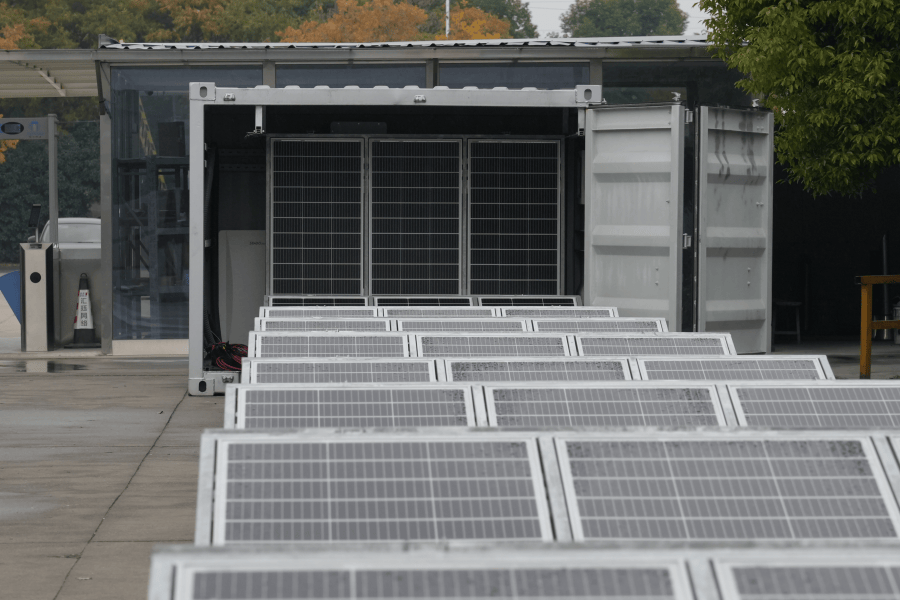
Table of Contents
- The Real Problem: Are We Just Shifting the Environmental Burden?
- The Hidden Cost of "Going Green"
- Why the "Tier 1" Label Makes All the Difference for EV Charging
- Looking Beyond the Battery Cell: The Full Container Lifecycle
- A Case in Point: Solar + Storage for Fleet Electrification in California
- Making the Right Choice for Your Project and the Planet
The Real Problem: Are We Just Shifting the Environmental Burden?
Let's be honest. When we talk about building out EV charging infrastructure powered by solar and batteries, it feels good. We're cutting emissions at the tailpipe and generating clean power. But over my 20+ years on sites from Texas to Bavaria, I've seen a troubling pattern emerge. The rush to deploy can sometimes lead to a narrow focus on upfront cost and power rating, while kicking the can down the road on the total environmental impact. We install a solar container system to charge EVs, pat ourselves on the back, and forget to ask: What's the full lifecycle footprint of this battery box sitting in our parking lot?
The real pain point isn't the intention - it's the execution. A system built with lower-grade cells might look great on the initial budget sheet, but it often leads to a shorter operational life, more frequent replacements, and a much tougher recycling proposition. Honestly, I've seen this firsthand on site: a project where aggressive cost-cutting on the BESS led to thermal management issues, accelerated degradation, and the entire unit being decommissioned years ahead of schedule. That's not sustainable; it's just creating a different kind of waste problem.
The Hidden Cost of "Going Green"
This is where the conversation gets real for business owners and project developers. The agitation comes when you run the numbers over a 10 or 15-year horizon. The Levelized Cost of Storage (LCOS) - which factors in not just purchase price but also lifespan, efficiency, and maintenance - tells the true story.
According to the National Renewable Energy Laboratory (NREL), extending battery life is one of the most effective levers for reducing LCOS and, by extension, environmental impact per megawatt-hour delivered. A battery that lasts 6,000 cycles versus 3,000 cycles doesn't just save you money; it halves the manufacturing burden, mining demand, and end-of-life processing per unit of energy stored. For an EV charging station that cycles its battery daily, this is the single biggest factor determining its true "green" credentials.

Why the "Tier 1" Label Makes All the Difference for EV Charging
So, how do you ensure that long, productive life? This is where the Environmental Impact of Tier 1 Battery Cell Solar Container for EV Charging Stations truly comes into focus as the solution. "Tier 1" isn't just a marketing term we throw around. In our world, it refers to cells from manufacturers with proven, auditable track records for consistency, quality, and transparency in their supply chain and manufacturing processes.
For a solar container destined to power EV chargers, this means:
- Predictable Degradation: Tier 1 cells come with detailed spec sheets and degradation curves that we can bank on. This allows us to precisely model energy throughput over 15+ years, ensuring your solar investment isn't wasted on a battery that fades too fast.
- Built-in Safety & Thermal Resilience: These cells are produced to tighter tolerances. This is critical for thermal management within a sealed container. Uniform cells mean even heat distribution, which our engineering team can manage with precision-cooling systems, drastically reducing fire risk and longevity issues. It's why all Highjoule containers are designed to meet not just the baseline, but the most stringent aspects of UL 9540 and IEC 62933 standards.
- Efficiency that Compounds: Higher quality cells have lower internal resistance. This translates to higher round-trip efficiency (often 95%+). For a solar container, every percentage point of efficiency lost is more solar panels you need to install. Tier 1 cells maximize the use of your precious rooftop or ground-mounted solar real estate.
Looking Beyond the Battery Cell: The Full Container Lifecycle
Focusing on the cell is crucial, but the solution is systemic. A truly low-impact system considers the entire container. At Highjoule, when we talk about our solar-ready BESS containers, we're engineering for a 25-year service life for the enclosure and power electronics. We use passive fire protection materials, corrosion-resistant coatings for coastal or harsh environments, and design for eventual disassembly.
Our approach is to create what I like to call a "virtuous lifecycle." Start with Tier 1 cells for longevity and safety. Wrap them in an intelligent, durable container that protects that investment. Pair it with software that optimizes charging cycles to minimize wear. The result? A system that delays its entry into the recycling stream for as long as possible, and when it does, it's built with materials and a design that makes recovery and second-life applications feasible. We're actively working with partners in the EU and US on these pathways, because the project isn't done at commissioning.
A Case in Point: Solar + Storage for Fleet Electrification in California
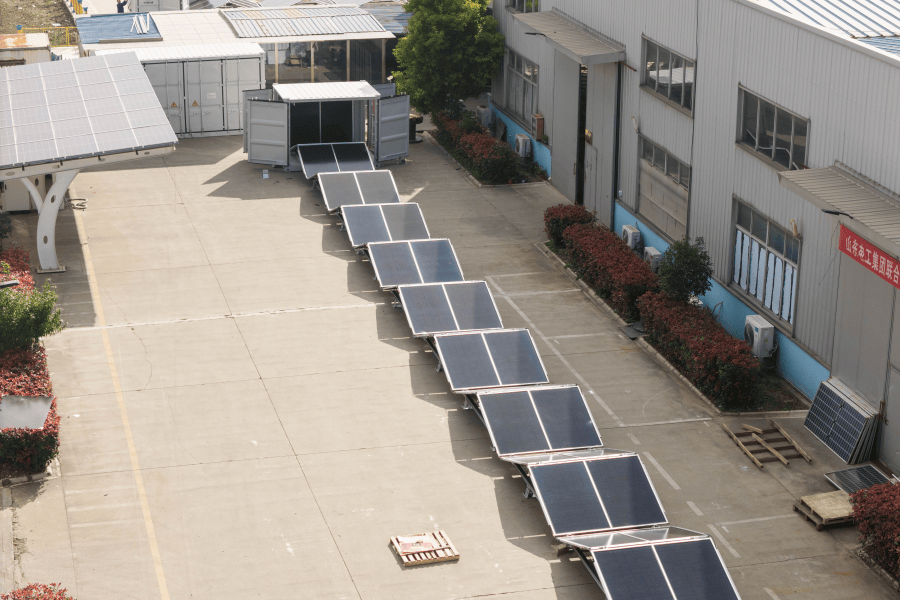
Let me give you a real example from last year. We deployed a 1.5 MWh solar container system for a logistics company in Southern California transitioning their depot to electric trucks. The challenge was stark: high demand charges, limited grid connection capacity, and a public commitment to 100% renewable charging.
The previous solution they'd looked at used a lower-cost BESS. Our analysis showed its degradation rate would have required a mid-life replacement to meet their 10-year operational goals, effectively doubling the embedded carbon of the storage system. We proposed a container built around Tier 1 NMC cells, with an advanced liquid cooling system we've refined over dozens of deployments.
The outcome? The system not only shaves their peak demand perfectly but uses the solar generation to continuously "top up" the battery at optimal, low-stress states of charge. Our modeling, backed by the first year of operational data, shows the system will retain over 80% of its capacity well past the 10-year mark. The client isn't just saving on their energy bill; they have a verifiable, long-term asset that aligns with their sustainability reporting. That's the real impact.
Making the Right Choice for Your Project and the Planet
Choosing the right storage for your solar-powered EV charging project isn't just a technical decision; it's an environmental and financial statement. Specifying Tier 1 cells within a robust, thoughtfully engineered container is the closest thing to a guarantee you can get in this industry.
It tells me you're thinking about total cost of ownership, not just capex. It tells me you're serious about safety and risk mitigation. Most importantly, it shows you understand that the Environmental Impact of Tier 1 Battery Cell Solar Container for EV Charging Stations is measured in decades of reliable, clean service, not just the opening press release.
What's the one question you should be asking your BESS provider about the lifecycle impact of their system?
Tags: UL Standard BESS LCOE Europe US Market Solar Container Renewable Energy Tier 1 Battery EV Charging
Author
James Zhang
20+ years agricultural energy storage engineer / Highjoule CTO