
How to Optimize All-in-one Integrated BESS for Telecom Base Stations
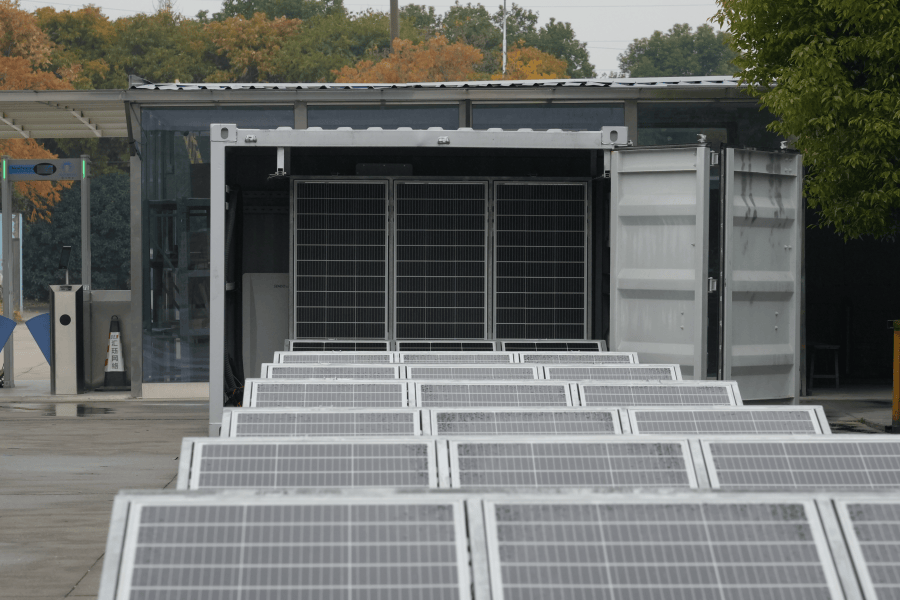
Table of Contents
- The Silent Challenge: Keeping the Signal Alive When the Grid Falters
- Beyond the Diesel Genset: The Real Cost of "Reliability"
- The Integrated BESS Advantage: More Than Just a Battery in a Box
- Key Levers for Optimization: C-rate, Thermal Management, and LCOE
- A Case in Point: A Network in California's Fire Country
- The Future is Integrated, Optimized, and Resilient
The Silent Challenge: Keeping the Signal Alive When the Grid Falters
Honestly, if you're managing telecom infrastructure in North America or Europe right now, you're not just in the connectivity business. You're in the energy resilience business. I've seen this firsthand on site, from remote cell towers in the Scottish Highlands to urban hubs in Texas. The old model - grid power backed by a diesel generator - isn't just environmentally unfriendly; it's becoming a operational and financial liability. The grid is getting less predictable. According to the National Renewable Energy Laboratory (NREL), extreme weather events are a leading cause of power outages, and telecom sites are critical infrastructure that can't afford to go dark. The core problem? How to guarantee 99.999% uptime in an era of grid instability, while also managing skyrocketing energy costs and increasingly stringent sustainability goals.
Beyond the Diesel Genset: The Real Cost of "Reliability"
Let's agitate that pain point a bit. That diesel generator sitting next to your base station isn't a silent partner. It's a noisy, high-maintenance cost center. Think about the logistics: fuel delivery contracts, routine maintenance runs, emissions compliance reporting (a huge deal in the EU and California), and the sheer noise pollution that sparks community complaints. I was on a site in Germany where the weekly generator test alone was causing local authorities to threaten permits. Financially, you're locking in volatile diesel fuel costs. Operationally, you have a single point of failure that might not start when you need it most - during a blackout in a storm. This setup is the opposite of "optimized." It's a reactive, CapEx-heavy burden that does nothing to address your daily energy bill from the grid.

The Integrated BESS Advantage: More Than Just a Battery in a Box
This is where a properly optimized, all-in-one Battery Energy Storage System (BESS) shifts from being an interesting idea to a non-negotiable asset. The solution isn't just slapping some lithium-ion batteries into a cabinet. We're talking about a pre-engineered, integrated system that combines the battery racks, thermal management, power conversion system (PCS), and controls into a single, smart unit. It's a plug-and-play powerhouse for telecom sites. The core optimization goal? To use this system not just for backup, but for daily energy cost savings through peak shaving and energy arbitrage, all while providing instantaneous backup power that's more reliable than a genset. The beauty is in the software and the system design working in harmony.
Key Levers for Optimization: C-rate, Thermal Management, and LCOE
Let's get into the weeds - but I'll keep it simple, like we're sketching on a napkin. Three technical concepts are your optimization levers:
- C-rate: Simply put, it's how fast you charge or discharge the battery. A 1C rate means fully charging/discharging in one hour. For telecom, you don't always need a super high C-rate for backup (a 0.5C-1C discharge is often fine for a controlled shutdown or to bridge to solar), but the right C-rate affects battery lifespan and cost. Overspec'ing it is a waste of money.
- Thermal Management: This is the unsung hero. Batteries degrade fast if they're too hot or too cold. An optimized BESS has a climate control system that's incredibly efficient, using minimal energy to keep cells at their happy place (usually around 25C). I've seen systems fail prematurely because this was an afterthought. A robust system, designed for the Arizona desert or a Norwegian winter, is critical. This is where UL and IEC standards for safety and environmental testing aren't just paperwork - they're your guarantee the system won't quit when you need it.
- Levelized Cost of Energy (LCOE): This is your ultimate financial metric. It's the total lifetime cost of the system divided by the total energy it will store and deliver. Optimization means driving this number down. How? By selecting cells with a long cycle life, designing a system with minimal auxiliary power draw (like that thermal system!), and using smart software to maximize cycles for revenue (peak shaving) without excessive degradation. At Highjoule, we model this for every site, because a solution that's cheap upfront but dies in 5 years has a terrible LCOE.
A Case in Point: A Network in California's Fire Country
Let me give you a real example. We worked with a regional telecom provider in Northern California, an area prone to Public Safety Power Shutoffs (PSPS) due to wildfire risk. Their challenge was triple: maintain uptime during grid outages, reduce reliance on diesel gensets (which were banned from running during certain air quality alerts!), and cut a massive peak demand charge from their utility.
The optimization playbook looked like this:
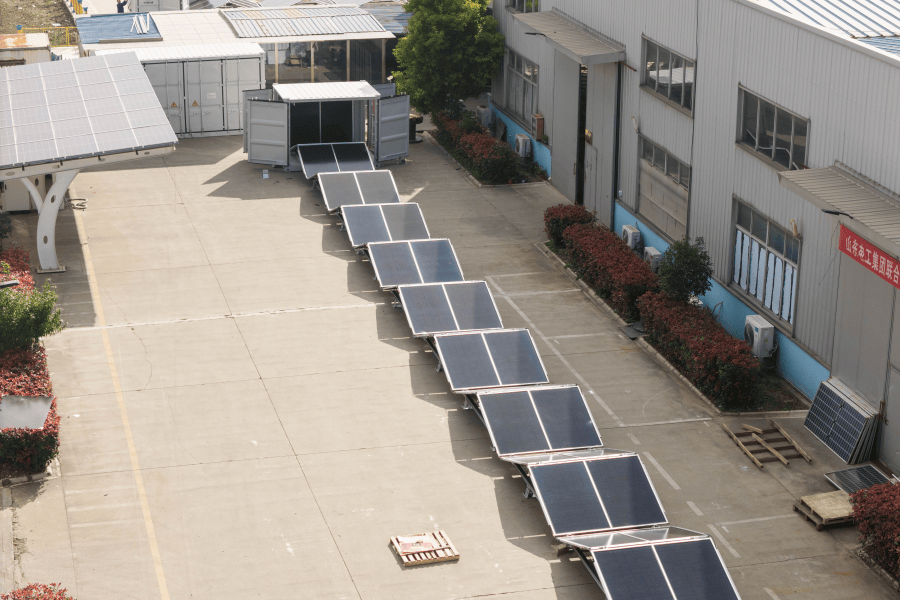
- System: We deployed a containerized, all-in-one BESS, pre-integrated and UL 9540 certified.
- Daily Optimization: The system's energy management software was programmed to automatically discharge during the utility's 4-9 pm peak window, shaving their demand charge by over 30%.
- Backup Optimization: During a PSPS event, the BESS provides seamless transition to backup power. Its state-of-charge is always managed to prioritize critical load coverage, and it can integrate with existing on-site solar to extend runtime indefinitely. The diesel genset? It's now a last-resort backup, its runtime cut by over 90%.
The Future is Integrated, Optimized, and Resilient
The path forward is clear. The telecom base station of the future is a smart energy node. Optimizing your all-in-one BESS isn't a one-time purchase; it's configuring an asset to work hardest for your specific tariffs, weather patterns, and resilience needs. It requires a partner who thinks beyond the spec sheet - someone who understands that in the field, the difference between a good system and a great one is how it handles the 100th thermal cycle in Death Valley or the 50th grid disturbance in a Midwest storm.
That's the philosophy we bake into every Highjoule system. We don't just sell boxes; we model your energy profile, ensure every component from the cell to the cooling fan is suited for the job, and provide software that makes optimization automatic. So, what's the biggest energy pain point at your most critical site right now? Is it a demand charge, a grid reliability issue, or a sustainability target? The right BESS strategy likely addresses all three.
Tags: UL Standard LCOE Thermal Management Microgrid Battery Energy Storage System Telecom Base Station
Author
James Zhang
20+ years agricultural energy storage engineer / Highjoule CTO