
High-voltage DC BESS for Telecom Towers: Cutting Costs & Boosting Grid Stability
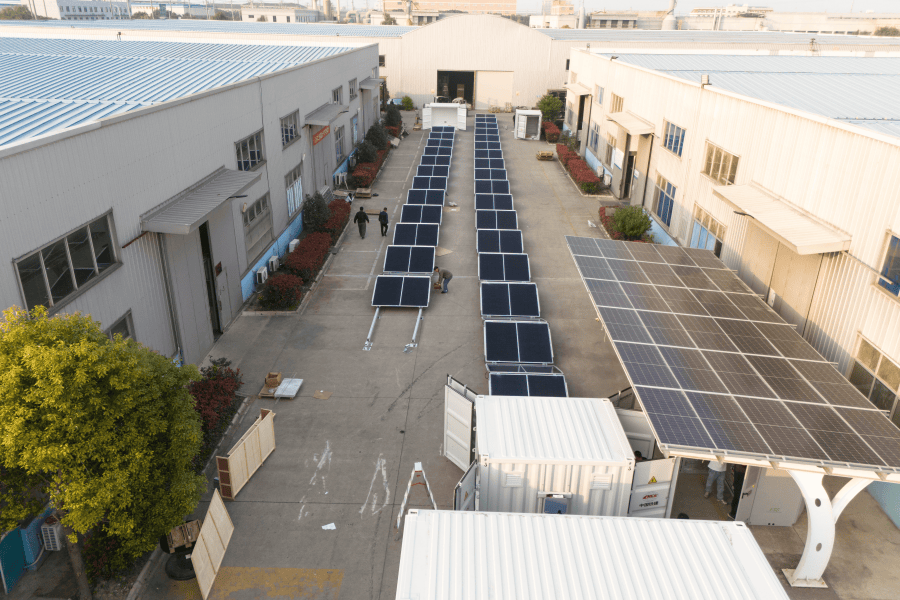
Table of Contents
- The Silent Power Crisis on Your Rooftop and Roadside
- Why This Hurts More Than Just a Dropped Call
- A Smarter Path: High-voltage DC BESS Steps In
- Case in Point: A Midwest Network's Transformation
- The Tech Behind the Magic (Without the Jargon)
- What This Means for Your Next Network Rollout
The Silent Power Crisis on Your Rooftop and Roadside
Let's be honest. When we talk about telecom infrastructure, batteries aren't the first thing that comes to mind. We think about sleek antennas, fiber optics, and 5G speeds. But after two decades in this field, I can tell you the unsung hero - or often, the silent villain - is the power system. Across the US and Europe, thousands of telecom base stations, especially those off the main grid or in dense urban areas, are running on a power model that's frankly, a bit creaky. It relies on constant AC power from the grid, inefficient rectifiers to convert it to DC for the equipment, and often, a bank of lead-acid batteries as a backup that takes up half the shelter. When the grid flickers, which it does more often than you'd think, the system scrambles. I've seen it firsthand on site: the diesel generator kicks in with a roar (if it starts at all), fuel costs spike, and the whole operation becomes a CAPEX and OPEX nightmare.
Why This Hurts More Than Just a Dropped Call
This isn't just about avoiding dropped calls. The pain points are real and hit the bottom line hard. First, there's cost. Traditional AC-coupled systems have too many conversion steps - AC to DC for the battery, DC to AC for the inverter, then back to DC for the telecom load. Every conversion loses energy, typically 3-5% per step. Over a year, for a site drawing significant power, that's pure money lost as heat. Then there's space and weight. Older battery tech needs a lot of real estate, which is premium in urban cell sites or historical buildings in Europe. Finally, and most critically, grid dependency and volatility. With increasing grid instability noted in reports from agencies like the International Energy Agency (IEA), and the push for renewables making supply more variable, base stations are more vulnerable than ever. They're also missing a huge opportunity: they could be a grid asset, not just a liability.
A Smarter Path: High-voltage DC BESS Steps In
This is where the real-world case for a high-voltage DC Battery Energy Storage System (BESS) gets compelling. The logic is beautifully simple. Telecom equipment runs on DC power. Solar panels and batteries produce and store DC power. So why are we converting everything to AC in between? By implementing a high-voltage DC BESS, we connect the battery directly to the DC bus of the telecom system. We cut out the unnecessary inverter and multiple conversion stages. The result? Higher efficiency, a smaller footprint, and a system that's inherently more reliable because it's simpler. It's not just a backup system anymore; it becomes an intelligent energy manager.
Case in Point: A Midwest Network's Transformation
Let me walk you through a project we completed last year with a regional telecom operator in the US Midwest. They had a cluster of about 15 rural and suburban sites plagued by frequent, short-duration grid outages. Their legacy lead-acid systems were failing prematurely due to inconsistent cycling, and diesel refueling logistics were a constant headache. The goal was clear: ensure 99.99% uptime and reduce operational costs.
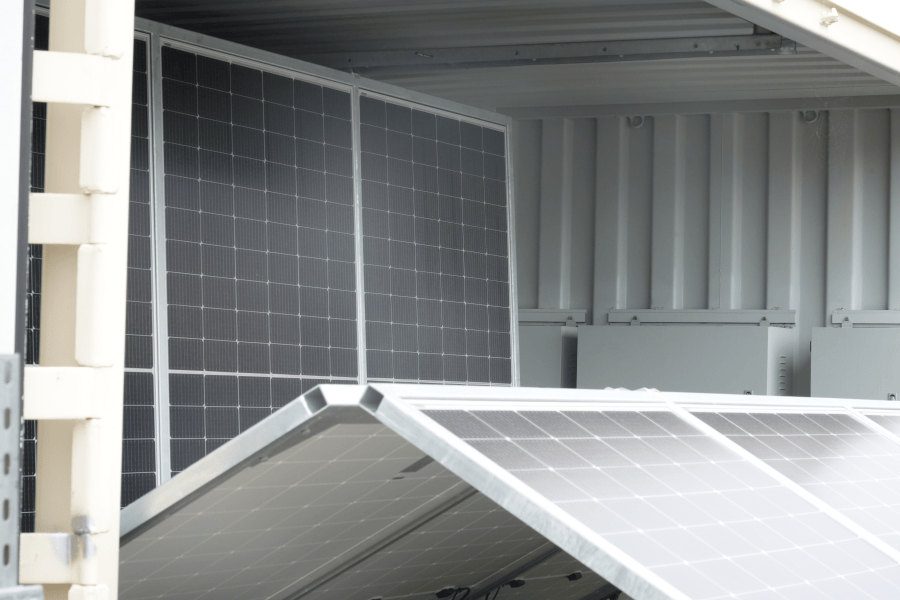
We deployed our containerized Highjoule DC BESS solution at three pilot sites. The core of the system was a UL 9540 and IEC 62619 certified lithium-iron-phosphate (LFP) battery rack operating at 1500V DC, coupled directly to the site's existing DC power plant. We integrated a smart controller that could not only manage charge/discharge based on grid health but also participate in a local utility's demand response program - a first for this client.
The outcome was eye-opening. System round-trip efficiency jumped from ~85% with the old setup to over 96%. The physical footprint was reduced by 40%, freeing up space for other equipment. But the real win was financial. By avoiding peak demand charges and generating revenue from grid services, two of the sites projected a payback period of under 5 years on their investment. The client is now rolling this out across another 50 sites.
The Tech Behind the Magic (Without the Jargon)
You might hear terms like "C-rate" or "LCOE" thrown around. Let me break them down as if we're chatting over coffee. C-rate is basically how fast you can charge or discharge the battery safely. A high-voltage DC system allows for a more favorable, moderate C-rate. This means less stress on the battery cells, which translates directly into a longer lifespan - think 15+ years instead of 5-7. It's a cornerstone of lowering the Levelized Cost of Energy (LCOE), which is just a fancy way of saying the total lifetime cost of owning and operating your storage, divided by the energy it provides. A longer life and higher efficiency make that number much more attractive.
The other hero is thermal management. In a tight shelter, heat is the enemy. Our systems use a passive cooling design where possible, but for high-density sites, we implement a liquid-cooled cabinet. Honestly, this isn't just about comfort for the battery; it's about safety and performance consistency, meeting the strictest thermal runaway prevention criteria in UL and IEC standards. A stable, cool battery is a safe and predictable battery.
What This Means for Your Next Network Rollout
So, what's the takeaway for a network planner or CTO? The shift to high-voltage DC BESS isn't a distant future tech - it's a practical, deployable solution today that addresses core business challenges. It future-proofs your sites. Whether you're looking to hybridize with solar, participate in grid-balancing markets (a huge opportunity in Europe and parts of the US like California), or simply need bulletproof backup, this architecture is the most robust foundation.
At Highjoule, our focus has been on making this transition seamless. Our systems are pre-configured and pre-tested to plug into common telecom DC plants, and our local service teams handle everything from interconnection approval with utilities to ongoing performance monitoring. The goal is to give you a set-it-and-forget-it energy asset, not another piece of site equipment to worry about.
The question I often get at the end of these discussions is, "Is my site suitable?" The answer is, more often than not, a resounding yes. The real question is, how much longer can you afford the inefficiency and risk of the old model?
Tags: UL Standard BESS LCOE Grid Stability High-voltage DC Telecom Power Energy Storage Case Study
Author
James Zhang
20+ years agricultural energy storage engineer / Highjoule CTO