
Coastal BESS Deployment: Salt-Spray Challenges & Tier 1 Container Solutions
Table of Contents
- The Silent Killer: Salt Spray & Coastal BESS Headaches
- Why Corrosion Isn't Just a Cosmetic Issue
- Tier 1 Solar Containers: Built for the Battle Against Salt
- Real-World Proof: Hamburg & California Case Studies
- Engineer's Notes: Thermal, C-Rate & LCOE in Harsh Climates
The Silent Killer: Salt Spray & Coastal BESS Headaches
Honestly, if you're looking at deploying battery storage near the coast C whether it's for a seaside factory in Florida or backup power for a North Sea island community C there's an elephant in the room we need to talk about: salt spray. It's not like the sudden drama of a thermal runaway; it's a slow, insidious creep. I've walked sites in Texas and Denmark where, within 18 months, terminals showed visible corrosion and enclosure seals started brittling. The problem? Standard industrial enclosures and cooling systems often just aren't designed for the relentless, corrosive mist that defines coastal environments. Moisture plus salt equals accelerated degradation on electrical connections, battery cell casings (especially aluminum), and even internal busbars. It quietly eats away at system reliability and lifespan.
Why Corrosion Isn't Just a Cosmetic Issue
Let's get real about the impact. It's not just rusty bolts. Salt-induced corrosion increases electrical resistance at connection points. That means heat buildup C a battery's worst enemy. I've seen firsthand how this can trigger unexpected shutdowns during peak demand, thinking of one particular logistics hub in Rotterdam scrambling when their supposedly reliable BESS tripped on a hot summer day. Worse, it accelerates capacity fade. A NREL study on BESS degradation factors highlights how environmental stressors like humidity and corrosive atmospheres can significantly reduce cycle life, potentially adding 10-20% to your Levelized Cost of Energy (LCOE) over the project lifetime. Then there's safety: compromised seals can let in more moisture, increasing risks of internal short circuits. And forget about warranty claims if your system isn't specifically rated for the environment C manufacturers will rightly point to the fine print.
Tier 1 Solar Containers: Built for the Battle Against Salt
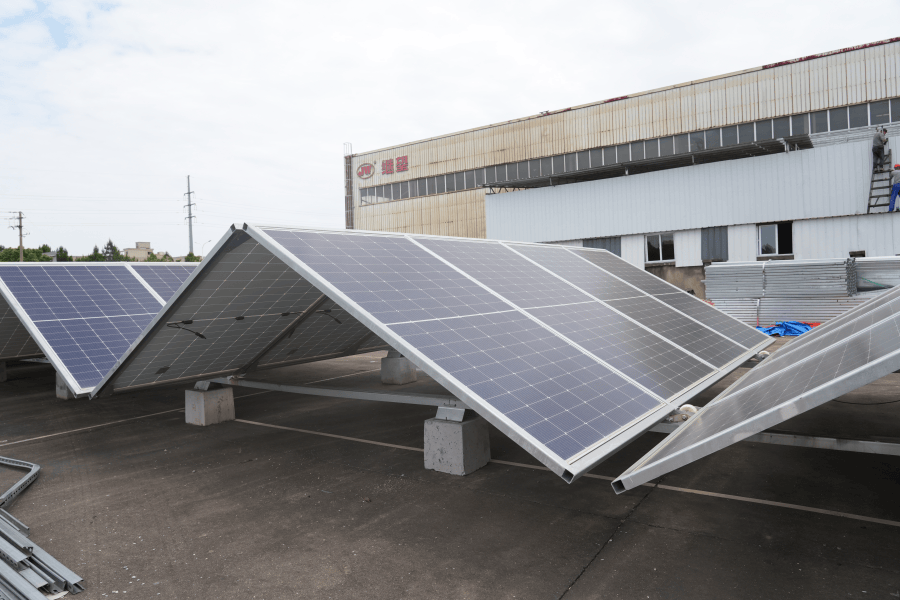
So, what's the answer? We've moved beyond just sticking standard racks in a shipping container. The solution lies in purpose-built, Tier 1 battery cell solar containers engineered from the ground up for coastal salt-spray environments. This isn't marketing fluff; it's about specific design choices I've seen make the difference on the ground:
- Military-Grade Sealing & Coatings: Think IP55+ rated enclosures within the container itself, combined with marine-grade anti-corrosion coatings (like cathodic protection systems used on offshore platforms) on all external and critical internal metal surfaces. It's about creating multiple barriers.
- Pressurized & Filtered Cooling Systems: Standard air intake? A disaster near saltwater. Effective systems use HEPA-grade filtration combined with slight positive internal pressure to actively keep the salty, humid air out of the critical battery zones. Liquid cooling loops, if used, need corrosion-resistant alloys.
- Tier 1 Cell Selection with Proven Chemistry: Not all cells are equal. Using Tier 1 manufacturers' cells (think CATL, BYD, LG Chem) with robust LFP chemistry is crucial. LFP's inherent stability is a major plus, but the top-tier suppliers also have stricter controls on casing materials and sealing quality specifically for harsh environments. Their long-term degradation data under stress is invaluable.
- Compliance as a Baseline (Not an Afterthought): This isn't just about UL 1973 (cells). Look for full system certifications like UL 9540 and IEC 62619, which include rigorous environmental testing clauses. Crucially, ensure the testing was done on the complete container system, not just individual components. Highjoule's approach, for instance, involves testing the entire integrated unit in salt-spray chambers mimicking 10+ years of coastal exposure C we seen the difference this makes in actual field performance and safety validation.
Real-World Proof: Hamburg & California Case Studies
Let's talk specifics. Remember that Hamburg port microgrid project? They needed reliable backup for cranes and cold storage, right on the Elbe estuary. Salt air was brutal. Their initial pilot used a standard containerized system C within 14 months, they faced sensor failures and cooling fan corrosion. The switch was to a purpose-built Tier 1 container solution with enhanced sealing and pressurized NEMA 4X cooling. Three years on, zero environmental-related faults. The maintenance logs tell the story C dramatically fewer corrective actions.
Then there's the California example: a coastal solar-plus-storage farm near Monterey. High humidity, persistent fog, and salt carried onshore winds. They deployed multiple 3.44MWh containers specifically designed for coastal IEC 62619 compliance, featuring liquid-cooled LFP Tier 1 cells and double-sealed entry points. The key? Proactive monitoring showed internal humidity levels consistently within spec, and thermal imaging revealed no abnormal hotspots at connections C a direct result of preventing salt ingress on electrical contacts. Their projected LCOE actually improved due to lower expected degradation and maintenance costs.
Engineer's Notes: Thermal, C-Rate & LCOE in Harsh Climates
Okay, let's geek out for a minute over coffee. Three technical things matter hugely in salty, humid coasts, beyond just the box:
- Thermal Management is Non-Negotiable: Salt gunking up air filters reduces airflow fast, leading to overheating. Liquid cooling is often superior near coasts because the critical cooling components are sealed internally. But ensure the external heat exchanger uses coated fins! Oversizing the thermal system by 10-15% gives buffer for filter loading. I've measured internal temps spiking 5-8C above design in a salt-clogged air system C that murders cycle life.
- C-Rate Realism: Pushing high charge/discharge rates (high C-rates) generates more heat. In a sealed, pressurized coastal container, managing that heat peak is critical. Sometimes, slightly derating the max C-rate (e.g., designing for 0.5C sustained instead of 1C peak) significantly reduces thermal stress and extends lifespan in these environments, improving long-term economics. It's about balancing power needs with longevity under stress.
- LCOE - The True North Star: The cheapest upfront container might cost you double over 10 years near the ocean. Factor in: Salt-corrosion warranties (or lack thereof), expected degradation rates in humid/salty air (demanding higher initial capacity), and maintenance costs (seal replacements, filter changes, corrosion cleaning). A Tier 1 coastal-optimized system often wins on lifetime LCOE, even with a 15-20% higher CapEx. It's an insurance policy you can quantify.
Ultimately, success near the coast comes down to respecting the environment. It's not just a "location." It demands a system designed for that specific battle. The right Tier 1 solar container isn't just a product; it's years of reliable, safe operation. Curious what's your biggest headache when evaluating coastal storage resilience?
Tags: Energy Storage Container LCOE Optimization UL 9540 Salt-Spray Corrosion IEC 62619 Battery Energy Storage System Coastal BESS Tier 1 Battery
Author
James Zhang
20+ years agricultural energy storage engineer / Highjoule CTO