
ROI Analysis: How a 5MWh BESS Container Boosts Eco-Resort Profitability
Contents
- The Quiet Struggle of the "Green" Getaway
- The Hidden Costs That Eat Into Your Margins
- A Tangible Solution: The 20ft, 5MWh Power Block
- Crunching the Numbers: A Realistic ROI Breakdown
- Beyond the kWh: The Tech That Makes the ROI Work
- Real-World Proof: It's Not Just Theory
- Making It Happen on Your Ground
The Quiet Struggle of the "Green" Getaway
Let's be honest. Running an eco-resort is a beautiful mission, but it's a tough business. Guests expect pristine nature, impeccable comfort, and a genuine sustainability story. And right there, between the solar panels and the organic linen, lies one of the biggest operational headaches: energy. I've sat across the table from resort managers in California and the Caribbean, and the story is often the same. You've invested in solar, maybe even a wind turbine. But when the sun sets, or the grid falters (which, let's face it, happens more often in remote, beautiful places), you're staring down the barrel of a diesel generator. The noise, the smell, the emissions - it completely undermines your brand. And the cost? It's brutal.
The Hidden Costs That Eat Into Your Margins
The problem isn't just the diesel bill, though that's a huge part. It's the volatility. According to the International Energy Agency (IEA), islands and remote communities often face electricity costs 2-3 times higher than mainland grids, heavily reliant on imported fuel. Every time fuel prices spike, your profit margin takes a direct hit. Then there's demand charges from the utility - those peaks in your energy use, often during guest check-in or dinner service, can make up a staggering 30-50% of your commercial bill. Onsite, I've seen resorts where the "green" badge feels like a cost center because the energy system isn't fully optimized. The solar energy you produce at noon is often wasted if it's not consumed immediately, while you're still paying premium rates at night. This mismatch is the core financial pain point.
A Tangical Solution: The 20ft, 5MWh Power Block
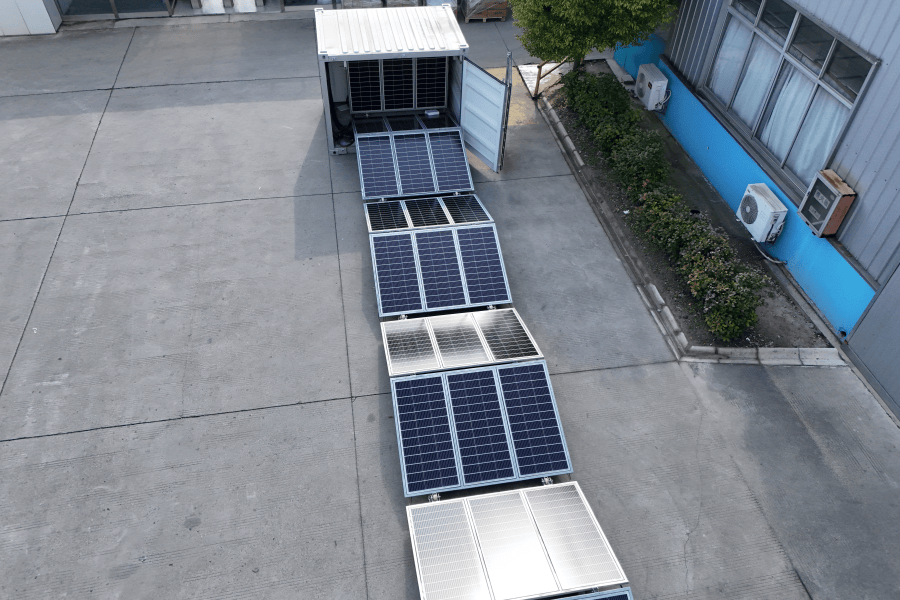
This is where the conversation turns practical. We're not talking about a magic bullet, but a proven, standardized piece of infrastructure: the 20-foot High Cube, 5MWh utility-scale Battery Energy Storage System (BESS). Think of it as a silent, emission-free power plant in a shipping container. It's the missing link that transforms your renewable assets from a partial solution into a robust, money-saving energy ecosystem. For a mid-sized eco-resort, this size is often the sweet spot - big enough to make a serious financial dent, but standardized enough to be deployable and cost-effective.

Crunching the Numbers: A Realistic ROI Breakdown
Let's talk about the ROI Analysis of 20ft High Cube 5MWh Utility-scale BESS for Eco-resorts. The return comes from multiple, stacked revenue streams and cost avoidances:
- Diesel Displacement: This is the big one. By shifting your nighttime load to stored solar energy, you can slash generator runtime by 70-90%. For a resort using 2,000 hours of generator runtime annually, the fuel and maintenance savings can be in the hundreds of thousands.
- Demand Charge Management: The BESS acts like a shock absorber. It discharges during your short periods of peak demand, clipping that expensive peak power draw from the grid. This alone can reduce that portion of your bill by 20-40%.
- Increased Solar Self-Consumption: Instead of curtailing excess solar, you store it. This can increase the utilization of your solar asset from maybe 30-40% self-consumption to over 80%, maximizing your investment in PV.
- Grid Services & Resilience: In some markets, you can participate in grid-balancing programs for additional income. More critically, it provides seamless backup power during outages - no more guest complaints during a grid flicker.
Honestly, in the projects we've done at Highjoule, the payback period for a well-utilized system like this in a high-cost energy environment often falls between 4-7 years. Over a 15-year lifespan, the net positive cash flow is substantial.
Key ROI Drivers Table
| Revenue/Cost-Save Stream | Impact Mechanism | Financial Benefit |
|---|---|---|
| Fuel Cost Reduction | Displaces diesel generation | Direct, high-value savings |
| Utility Demand Charge Reduction | Peak shaving | Significant monthly bill reduction |
| Increased PV ROI | Maximizes self-consumption | Better returns on solar CAPEX |
| Grid Independence | Backup power & reliability | Avoided lost revenue & guest compensation |
Beyond the kWh: The Tech That Makes the ROI Work
As an engineer, I need to stress that not all BESS are equal for this job. The ROI depends on reliability and longevity. Two things are non-negotiable:
- Thermal Management: Heat is the enemy of battery life. A system with a robust, liquid-cooling thermal management system will maintain optimal temperature, ensuring you get the full cycle life out of your investment. I've seen air-cooled systems in hot climates degrade much faster, killing the ROI.
- C-rate and Usable Capacity: The C-rate tells you how fast the battery can charge and discharge. For peak shaving, you need a sufficient C-rate to meet your resort's sudden load spikes. Also, ensure you're looking at usable energy (like 5MWh). Some specs quote total energy, but the system reserves a portion, so you get less. This directly impacts your financial calculations.
This is where standards like UL 9540 (system safety) and IEEE 1547 (grid interconnection) are not just checkboxes. They are your assurance that the system is designed for safe, long-term operation. At Highjoule, designing for a low Levelized Cost of Storage (LCOS) - the real lifetime cost per kWh - is the goal, not just the lowest upfront price.
Real-World Proof: It's Not Just Theory
Take a project we supported in a mountainous resort community in Colorado. The challenge was winter grid instability and exorbitant demand charges. They deployed a 5MWh BESS alongside existing solar. The system is programmed to charge from solar and the grid during off-peak times, then discharge during evening peaks and any grid outages. In the first year, they reported a 28% reduction in their total electricity costs and have had zero guest disruptions due to power. The system paid for itself primarily through demand charge savings and avoided use of backup generators. It's a working blueprint for any remote hospitality business.

Making It Happen on Your Ground
So, what's the next step? It starts with data. You'll need to look at 12 months of utility bills (focus on consumption and demand peaks) and your generator fuel logs. This data paints the picture of your energy pain points and sizes the opportunity. Partner with a provider that understands the whole picture - not just selling a box, but integrating it with your existing solar, generators, and energy management system. Ask about their compliance with local codes (NEC in the US, etc.) and their long-term service and performance guarantee. The right partner should help you model your specific ROI, not just give you a generic brochure.
The bottom line? A 5MWh BESS is more than an energy asset; it's a strategic business investment for an eco-resort. It stabilizes your biggest variable cost, future-proofs your operations against fuel price swings, and deepens your sustainability claim authentically. What does your current energy bill say about your resort's potential for savings?
Tags: UL Standard BESS LCOE Energy Storage Renewable Energy ROI Analysis Eco-Resort
Author
James Zhang
20+ years agricultural energy storage engineer / Highjoule CTO