
ROI Analysis of 20ft High Cube Hybrid Solar-Diesel Systems for Eco-Resorts
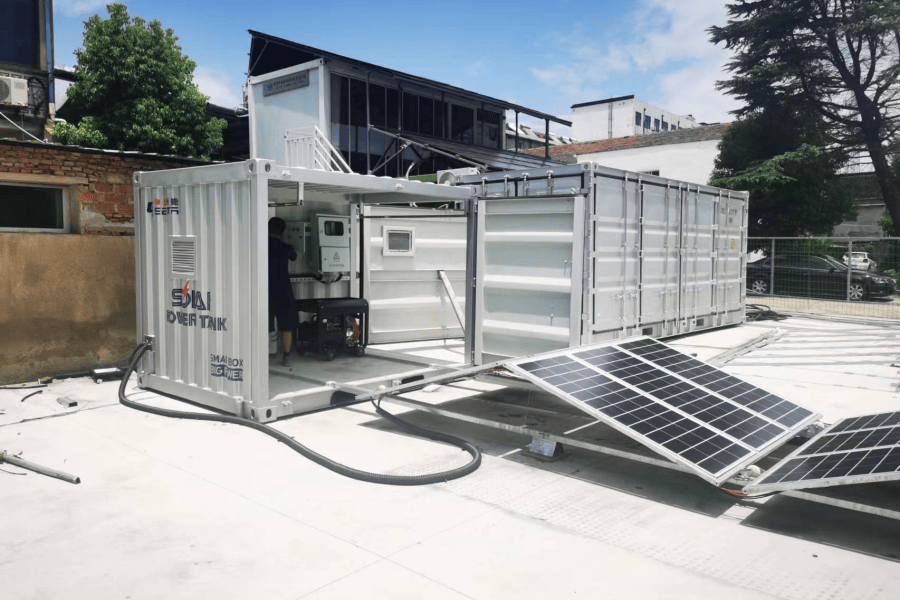
Table of Contents
- The Silent Problem: The Real Cost of "Reliable" Power in Paradise
- Why Your Current ROI Analysis Fails for Remote Sites
- The 20ft Container: More Than Just a Box, It's Your ROI Engine
- Breaking Down the Numbers: A Realistic ROI Framework
- Case in Point: A Mountain Lodge in Colorado
- The Expert Edge: What We Look for in the Field
- Your Next Step: Beyond the Spreadsheet
The Silent Problem: The Real Cost of "Reliable" Power in Paradise
Let's be honest. When you're planning an eco-resort in the Scottish Highlands, the California redwoods, or a Caribbean cove, the last thing you want to think about is diesel. You dream of solar, of quiet, clean energy harmonizing with the landscape. But then reality hits: the sun sets, clouds roll in, and your guests expect hot water, lights, and Wi-Fi 24/7. So, the diesel genset - that noisy, smelly, expensive workhorse - becomes a non-negotiable. The problem isn't having one; it's how much you rely on it.
I've been on-site for these commissioning phases. You smell the exhaust before you see the beautiful lodge. You hear the generator's hum over the birdsong. And you see the operational manager's face when the monthly fuel delivery invoice arrives, especially after a spell of bad weather. The Levelized Cost of Energy (LCOE) for pure diesel power in these remote locations is staggering - we're talking often above $0.35/kWh, sometimes touching $0.50/kWh when you factor in transport and storage. According to the International Energy Agency (IEA), diesel generation remains the costliest common form of electricity. This isn't just an expense; it's a direct attack on your profit margins and your eco-credentials.
Why Your Current ROI Analysis Fails for Remote Sites
Most ROI models for hybrid systems fall short because they're too simplistic. They compare "Solar CapEx + Diesel Fuel" vs. "Diesel Fuel Only" over, say, 10 years. What they miss are the real-world aggravations that kill your bottom line:
- Diesel O&M Black Holes: Constant maintenance, filter changes, and unexpected breakdowns. I've seen a resort lose a prime wedding weekend because a genset overheated - the reputational cost alone was immense.
- Fuel Volatility: Your spreadsheet assumes a static fuel price. We all know that's a fantasy. A geopolitical event or a local supply chain hiccup can blow your annual budget.
- Inefficient Genset Loading: Running a large diesel genset at 20-30% load to cover base overnight demand is terribly inefficient and wears the engine out faster. It's like driving a truck in first gear all day.
- The "Green Premium" Paradox: Guests pay a premium for a sustainable experience. The scent of diesel and the constant background noise directly undermine your brand value and your ability to charge that premium.
This is where the traditional analysis agitates the pain but doesn't offer a smart enough cure. The solution isn't just adding solar panels. It's about adding intelligence and storage to fundamentally change how you use that diesel asset.
The 20ft Container: More Than Just a Box, It's Your ROI Engine
This is where the 20ft High Cube Hybrid Solar-Diesel System changes the game. We're not just talking about a battery in a box. We're talking about a pre-integrated, plug-and-play power plant engineered for ROI. The container itself is the key. It's a standardized, globally shippable format that houses the brains (the power conversion system/PCS), the brawn (the lithium-ion battery rack), and the critical safety systems all in one secure, weatherproof unit.
For you, the developer or owner, this means CapEx and OpEx predictability. The system is manufactured and tested in a controlled factory environment to stringent UL 9540 (US) and IEC 62485 (EU) safety standards, not pieced together in a muddy field. The real ROI magic happens in the control logic. This system treats your diesel genset as a last-resort backup or a high-efficiency battery charger, not the primary workhorse.

How it Drives Returns:
- Fuel Savings (The Obvious One): Solar charges the battery by day. The battery powers the resort by night and during cloudy periods. The genset only kicks in to recharge the battery if there's a prolonged lack of sun, and it does so at its most efficient ~80-90% load point.
- Genset Lifespan & Maintenance Savings (The Hidden Jackpot): Reducing genset runtime from 24/7 to maybe a few hours a week slashes maintenance costs and can double or triple its operational life. That's a massive capital deferral.
- Demand Charge Management (For Grid-Tied or Weak-Grid Sites): Even if you have a grid connection, the system can "peak shave," preventing expensive demand spikes that dominate commercial utility bills.
Breaking Down the Numbers: A Realistic ROI Framework
Let's move beyond theory. For a typical 50-room eco-resort with an average load of 80kW, here's how the math shifts.
| Cost Factor | Diesel-Only Baseline | With 20ft Hybrid System | ROI Impact |
|---|---|---|---|
| Fuel Cost (Annual) | $145,000 | $35,000 | ~$110k saved/year |
| Genset Maint. (Annual) | $15,000 | $4,000 | ~$11k saved/year |
| Effective LCOE | ~$0.38/kWh | ~$0.18/kWh | Cost of energy halved |
| Genset Replacement (10 yrs) | $120,000 (CapEx) | Deferred by 15+ yrs | Major future CapEx avoided |
With a typical system CapEx, the simple payback period often falls between 4 to 6 years. After that, it's nearly pure profit and risk mitigation for the asset's 15+ year lifespan. The National Renewable Energy Lab (NREL) has shown that hybridization can reduce fuel use by 60-90% in off-grid applications. Our field data squarely supports that upper end.
Case in Point: A Mountain Lodge in Colorado
I want to share a project we did with Highjoule in Colorado. A luxury lodge, completely off-grid, was running three large diesel gensets in rotation, 24/7. The noise was an issue, the fuel trucks were damaging the access road, and sustainability was a growing guest concern.
The Challenge: Provide silent, clean power for 90% of operations, eliminate nighttime generator noise, ensure 100% reliability, and do it within a tight space constraint.
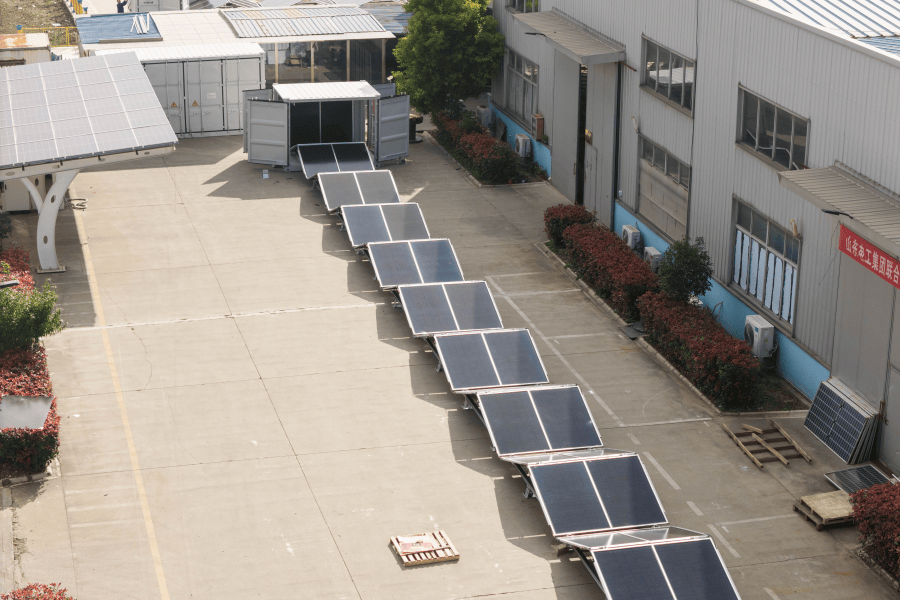
The Solution: We deployed a single 20ft High Cube container with a 500kWh battery capacity and integrated hybrid inverter, coupled with a 250kW solar carport array. The control system was programmed for a "genset-off" period from 8 PM to 10 AM. The existing gensets now only auto-start if the battery reaches a low state of charge, which, given the solar resource, happens maybe 30 days a year.
The Outcome: Annual diesel consumption dropped by 86%. The guest satisfaction scores mentioning "peace and quiet" and "environmental commitment" skyrocketed. The management told us the system paid for itself in under 5 years, and they now market their "near-silent, renewable-powered retreat" as a key differentiator.
The Expert Edge: What We Look for in the Field
When we design these systems, the spec sheet is just the start. Here's what I'm really paying attention to on-site to ensure that promised ROI is delivered:
- Thermal Management: This is critical. A poorly cooled battery degrades fast, killing your long-term ROI. We insist on liquid cooling systems for containerized solutions. They maintain an even cell temperature, which maximizes lifespan and safety, especially in desert heat or tropical humidity. Honestly, I've seen air-cooled systems struggle and fail prematurely - it's a false economy.
- The Right C-Rate: You'll hear battery specs talk about "C-rate." Simply put, it's how fast you can charge or discharge the battery. For a resort, you don't need an ultra-high C-rate like an F1 pit stop. You need a moderate, steady discharge (like a 0.5C) that matches your overnight load profile. This allows for a more cost-effective, durable battery chemistry. Overspec'ing here just wastes money.
- Grid-Forming Capability: For true off-grid sites, the inverter must "form" a stable grid from scratch. Not all can. Our systems are built with this as a core function, ensuring the power quality for sensitive hotel equipment is flawless - no flickering lights or damaged kitchen appliances.
At Highjoule, our containers come with this expertise baked in. The safety systems are UL-certified, the thermal design is proven across climates, and the control software is the result of two decades of learning what actually works when the crew leaves and the system has to run on its own for years.
Your Next Step: Beyond the Spreadsheet
The ROI analysis for a 20ft hybrid system is compelling on paper. But the true value is realized in the field: in the silence of a starlit night uninterrupted by generators, in the predictability of your operational budget, and in the strength of your brand as a genuine eco-destination.
The question isn't really "Can I afford this system?" Based on the projects I've commissioned from Scandinavia to Hawaii, the more relevant question is, "Can I afford to keep writing diesel checks and disappointing guests for another 5 years?" The math, and the market, are pointing clearly to the answer.
What's the single biggest operational cost headache your remote property faces right now that a predictable power supply could solve?
Tags: UL Standard BESS LCOE Microgrid ROI Analysis Hybrid Solar-Diesel Eco-Resort
Author
James Zhang
20+ years agricultural energy storage engineer / Highjoule CTO