
ROI Analysis of Air-Cooled BESS for Coastal Salt-Spray Environments
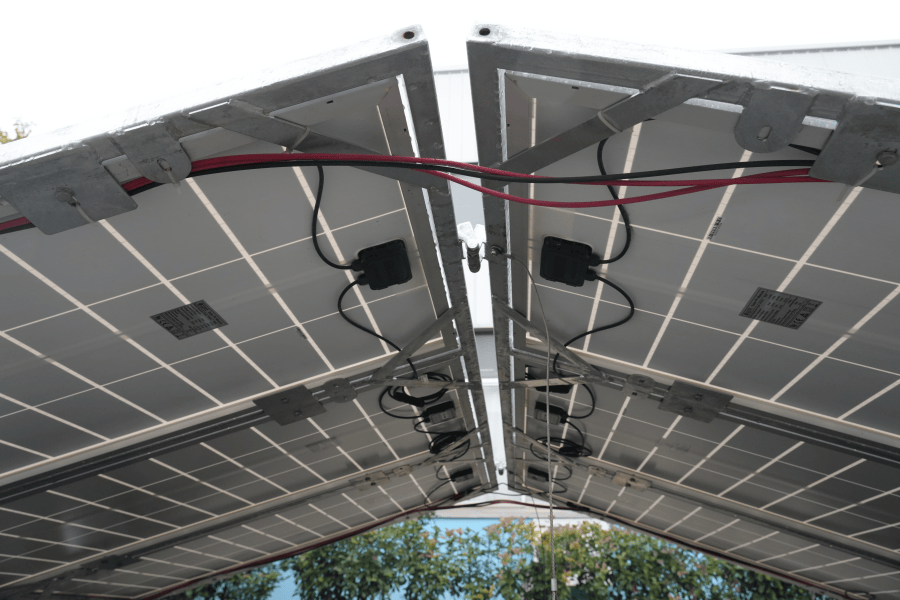
Table of Contents
- The Hidden Cost of Coastlines: It's Not Just the View
- Corrosion is a Thief: How Salt-Spray Steals Your ROI
- The Air-Cooled Advantage: Simplicity Meets Resilience
- The Real ROI Breakdown: More Than Just Capex
- A North Sea Test: Case Study from Germany's Coast
- Making the Right Choice: What to Look For
The Hidden Cost of Coastlines: It's Not Just the View
Honestly, some of the best sites for renewable energy are in the worst places for hardware. Over my 20-plus years, from California's Pacific Coast to the North Sea shores, I've seen this firsthand. We're pushing solar and storage to the edges of the grid - coastal industrial parks, island microgrids, port facilities. The wind and sun are fantastic. The air, though, is packed with salty, humid mist that eats away at everything. It's a brutal environment, and if you're evaluating an energy storage system, a standard off-the-shelf container might look good on paper initially, but it can become a money pit faster than you'd think.
Corrosion is a Thief: How Salt-Spray Steals Your ROI
Let's agitate that problem a bit. Salt-spray corrosion isn't a surface issue; it's a systemic failure waiting to happen. I've been on site for "routine" maintenance only to find busbar connections with significant resistive buildup, fan bearings seized solid, and sensor readings gone haywire because a delicate PCB is coated in salt crystals. The Levelized Cost of Energy (LCOE) for your storage asset? It just skyrocketed.
Every unplanned service call, every premature component replacement, every kilowatt-hour of lost capacity due to derating or downtime chips away at your financial model. The National Renewable Energy Lab (NREL) has highlighted how operational expenditures (OpEx) can make or break storage economics, especially in non-ideal environments. In a coastal zone, your OpEx isn't just software updates and scheduled checks; it's a constant battle against a very aggressive atmosphere. A system not designed for this will see its projected 10-year ROI shrink to 6 or 7 years - if you're lucky.
The Standards That Matter: UL and IEC Aren't Just Acronyms
This is where your due diligence needs to go beyond basic specs. You need to look for enclosures and cooling systems specifically tested to standards like UL 50E for enclosures or IEC 60068-2-52 for salt mist corrosion. These aren't marketing fluff; they define specific testing durations and severity. A product that's merely "rated for outdoor use" is playing a dangerous game on the coast.
The Air-Cooled Advantage: Simplicity Meets Resilience
So, where does the air-cooled solar container fit into this? Honestly, it's often the smarter play for these harsh, yet relatively common, environments compared to more complex liquid-cooled systems. The core idea is elegant: use filtered, conditioned air in a sealed loop to manage the battery's temperature. The magic for coastal areas is in the execution of that "conditioned" and "sealed" part.
A properly engineered air-cooled system for salt-spray zones has a few non-negotiable features. First, advanced filtration. We're not talking about a simple mesh screen. I'm talking about multi-stage filters that scrub salt aerosols and particulate from the intake air before it ever touches a heat exchanger. Second, positive pressurization. By keeping the internal pressure slightly higher than the outside, you actively prevent salt-laden air from seeping in through every tiny gap or cable gland. Third, and this is critical, all external heat exchangers and fans are built with marine-grade, corrosion-resistant materials like aluminum alloys with specific coatings or stainless-steel components.

The ROI benefit here is in reliability and lower lifetime maintenance. Fewer moving parts in the cooling loop than a liquid system, and the parts that are exposed are built to take the punishment. Your mean time between failures (MTBF) goes up, and your site visit frequency goes down. That's a direct line to a better financial outcome.
The Real ROI Breakdown: More Than Just Capex
When we run an ROI analysis for an air-cooled container in a coastal salt-spray environment, we have to widen the lens. The initial capital expenditure (Capex) is just the entry ticket. The real story is in the total cost of ownership.
- Upfront Premium: Yes, a salt-spray-optimized container costs more than a basic one. You're paying for better materials, superior seals, and rigorous testing. Let's call it a 10-15% Capex uplift.
- OpEx Savings: This is where you win. Drastically reduced corrosion-related repairs. No flushing of glycol loops contaminated by salt. Extended intervals for filter changes (which are themselves easier and cheaper). Over 10-15 years, this savings is massive.
- Performance & Uptime: Consistent thermal management (C-rate is just how fast you can charge/discharge the battery, and it's heavily dependent on keeping the cells at their happy temperature) means you get the full, advertised capacity and power every day. No derating. That's more revenue from energy arbitrage or capacity services.
- De-Risking: How do you price the avoidance of a catastrophic failure during a peak demand period? Or the elimination of a project-halting safety incident due to a corroded connection? It's huge for financiers and owners.
At Highjoule, when we model this for clients in Florida or the UK, the math consistently shows that the specialized system pays back its upfront premium in 3-4 years through avoided costs and sustained performance, ultimately delivering a 20-30% better lifetime ROI than an unhardened system struggling in that environment.
A North Sea Test: Case Study from Germany's Coast
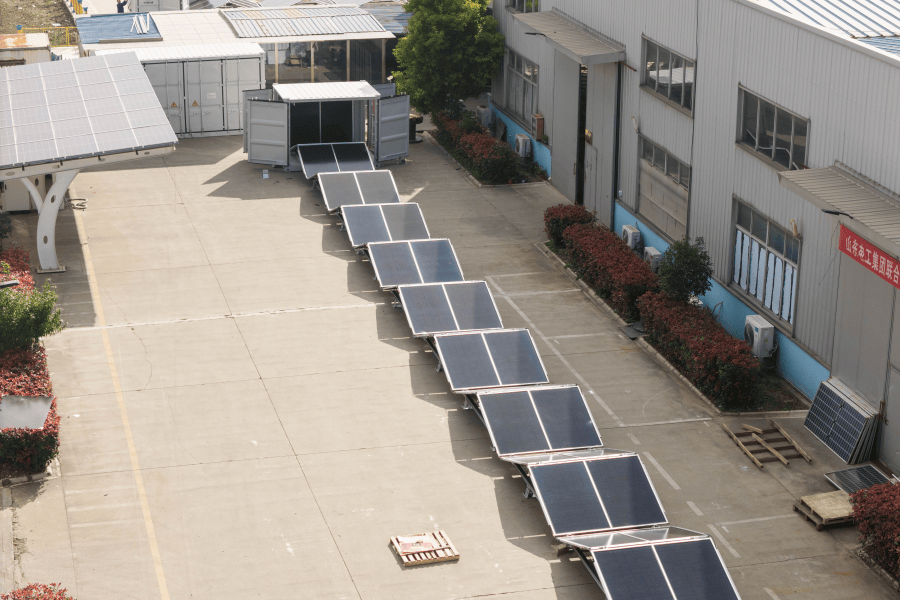
Let me give you a real example. We deployed a 2.5 MWh air-cooled BESS for an industrial food processing plant in Niedersachsen, Germany, right in the North Sea's salty breeze zone. The challenge was dual: provide peak shaving to cut their sky-high demand charges and offer backup power, all while surviving the corrosive climate.
The standard container option was cheaper. But we pushed for our HT-Cobalt Series with the coastal hardening package. That meant cabinets rated to IP55, corrosion-protected external fan units, and a dedicated positive pressure management system with salt-filter grade intake.
Three years in, the performance data speaks for itself. The system has maintained 100% of its rated capacity and availability. Their maintenance log? Annual filter checks (a 2-hour job) and zero unscheduled service events related to corrosion or cooling. The plant manager told me last quarter that the savings from demand charge management alone had already covered the system's cost. The resilience part is now pure upside. That's ROI you can bank on.
Making the Right Choice: What to Look For
So, if you're evaluating storage for a coastal site, what questions should you ask your provider? Don't just ask "is it suitable?" Get specific.
- "What specific UL or IEC salt mist corrosion standards does the enclosure and external cooling assembly comply with? Can I see the test report?"
- "What is the filtration grade for the cooling air intake, and what is the maintenance interval for filter replacement in a high-salt environment?"
- "What materials are used for the external heat exchangers and fans? What is their corrosion protection specification?"
- "Do you have a reference project in a similar environment I can speak to?"
Your choice isn't just between battery chemistries or vendors. It's between a commodity product that will degrade in a harsh environment and a engineered solution designed to thrive in it. The right air-cooled solar container, built with the coast in mind, isn't an expense. It's an insurance policy that pays for itself and then keeps paying you. What's the real cost of the system you're not looking at - the one you'll have to repair or replace years too early?
Tags: UL Standard BESS LCOE Europe US Market Renewable Energy Salt-Spray Protection Energy Storage ROI
Author
James Zhang
20+ years agricultural energy storage engineer / Highjoule CTO