
Step-by-step Installation of IP54 Outdoor Hybrid Solar-Diesel System for Coastal Salt-spray Environments
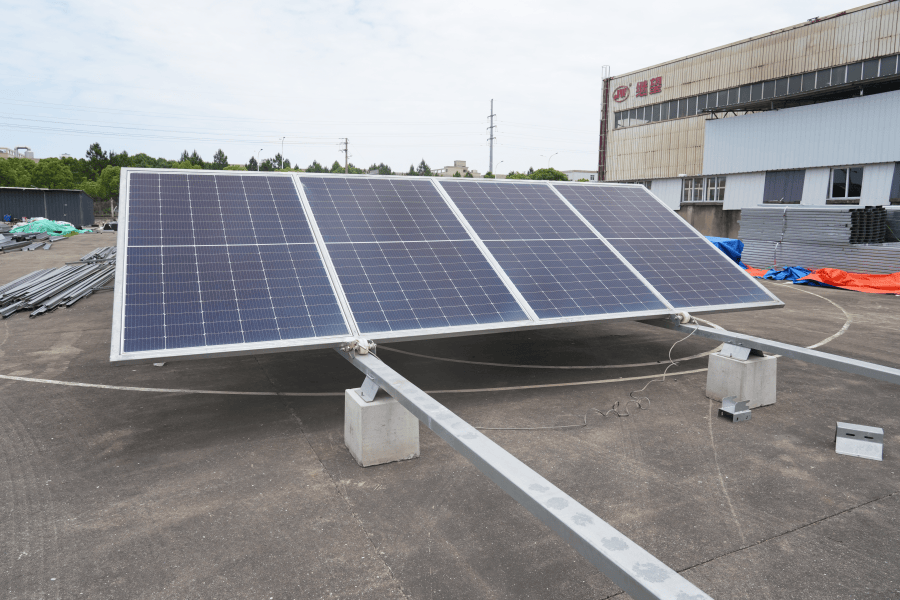
Table of Contents
- The Silent Killer on Your Coast: It's Not Just the Salt
- Why It Hurts: The Real Cost of Getting It Wrong
- The Right Way: A Resilient, Step-by-Step Blueprint
- Case in Point: A Florida Marina's Transformation
- Thinking Like an Engineer on Site
- Your Next Step: Questions to Ask Before You Break Ground
The Silent Killer on Your Coast: It's Not Just the Salt
Let's be honest. When we talk about deploying energy storage or hybrid power systems near the ocean, everyone immediately thinks "corrosion." And they're right. But after 20+ years on sites from the North Sea to the Gulf of Mexico, I can tell you salt spray is just the headline act. The real challenge is the cocktail. It's the constant humidity that seeps into everything. It's the UV radiation that degrades materials faster than you'd believe. It's the wind-driven rain and sand that act like a slow, persistent sandblaster on enclosures and wiring. I've seen control boards fail not from a major fault, but from microscopic salt bridging on circuits after a season of this abuse. A standard outdoor cabinet might look fine for a year, but its lifespan and reliability are being silently eroded from day one.
This isn't a niche problem. With the push for coastal microgrids, port electrification, and remote resort or industrial sites, we're intentionally putting critical power infrastructure in the most aggressive environments on earth. The International Energy Agency (IEA) highlights the growing need for resilient power systems in coastal areas for climate adaptation. Yet, the industry standard for "outdoor-rated" is often too vague. An IP55 rating might keep out direct water jets, but does it account for the long-term, permeating effects of salt-laden, humid air on battery chemistry and power electronics? Honestly, often not.
Why It Hurts: The Real Cost of Getting It Wrong
So what happens if you treat a coastal site like any other outdoor installation? The pain comes in three waves, and it's always more expensive than doing it right the first time.
- Capital Wastage: Premature failure of components. That inverter or battery rack might have a 10-year warranty, but if it fails due to "environmental factors not covered," you're buying it twice.
- Operational Blackouts: Unplanned downtime. For a wastewater plant, a telecom hub, or a cold storage facility, a power hiccup isn't an inconvenience; it's a major financial and reputational loss. I've been called to sites where the system just... stopped. The culprit? Corroded communication links between the solar charge controller and the BESS.
- Sky-High Maintenance: Your O&M team becomes a constant cleaning and repair crew. Instead of scheduled health checks, they're doing emergency interventions. The Levelized Cost of Energy (LCOE) - the true measure of your system's lifetime cost - skyrockets when O&M spends more time fixing than monitoring.
The agitation is real. It turns a CAPEX decision into a long-term OPEX nightmare. The solution isn't just a "better box." It's a holistic, step-by-step philosophy that starts with the right specification and follows through to the last tightened bolt.
The Right Way: A Resilient, Step-by-Step Blueprint
This is where the specification Step-by-step Installation of IP54 Outdoor Hybrid Solar-Diesel System for Coastal Salt-spray Environments moves from a technical document to your project's insurance policy. It's a methodology. At Highjoule, we don't just sell a containerized BESS; we engineer a defensive ecosystem. Here's the mindset shift it embodies:
1. Specification is Everything: Demand a true IP54 rating as a minimum, but with a twist. It must be validated against specific salt mist corrosion standards like IEC 60068-2-52 or ASTM B117. For us, this means using 316-grade stainless steel for external hardware, powder coatings rated for C5-M marine environments, and completely gasketed and sealed enclosures. The hybrid system controller and switchgear live in a positively pressured, air-conditioned compartment with corrosion-inhibiting filters.
2. Site Prep is Non-Negotiable: You can't just drop a system on sand. The foundation must account for water runoff, prevent pooling, and often includes a raised plinth. We map prevailing wind direction to position air intakes strategically. Conduit entries are from the bottom or protected side, never the top.
3. The Installation Dance: This is where experience pays. Cable trays are sloped for drainage. All external connections get dielectric grease. We use torque wrenches on every electrical connection - vibration from nearby diesel gensets can loosen them over time. Thermal management is critical; we oversize the HVAC capacity slightly because in a salt-spray environment, cooling fins clog faster, reducing efficiency. We monitor C-rate - the speed of battery charge/discharge - aggressively. A slower, gentler C-rate in high ambient heat (which a coastal site can have) reduces stress and extends life dramatically.

4. Commissioning & Mindset: We don't just test for function. We test for resilience. This includes a baseline insulation resistance test on all major circuits and then scheduling follow-ups to track any degradation from humidity ingress. The system is programmed with conservative setpoints out of the gate, prioritizing battery health over absolute maximum output.
Case in Point: A Florida Marina's Transformation
Let me give you a real example. A large marina and boatyard in Florida wanted to reduce its crippling diesel costs for its dry-dock cranes and workshop. They had space for solar, but their previous attempt at a standard outdoor system failed in under 18 months. The challenge was brutal: salt air, hurricane-season humidity, and constant vibration from heavy machinery.
We deployed our IP54-rated hybrid solution. The installation followed the exact step-by-step philosophy. The solar array used marine-grade mounting. The BESS and power conversion system were housed in a dedicated, sealed container with the enhanced features I mentioned. The diesel genset remained, but now as a rarely-used backup, synchronized and managed by our controller.
The result? They've cut diesel consumption by over 80% in the first year. But more importantly, after two full hurricane seasons, the system has had zero environmental-related faults. Their maintenance is back to being predictive, not reactive. The project's success was less about any single component and more about the rigorous, coastal-appropriate installation protocol that treated the environment as the primary design constraint.
Thinking Like an Engineer on Site
Here's the insight I share with every client considering a coastal deployment: Think in Decades, Not Kilowatts. The cheapest upfront system is almost always the most expensive long-term. When you evaluate a proposal, dig into the "how."
- Ask: "How is your IP54 rating certified for salt spray?"
- Ask: "What is the derating strategy for the batteries and inverters in sustained high ambient temperatures?" (This links directly to thermal management and LCOE).
- Ask: "Can you show me the corrosion protection details on your busbar connections and enclosure hinges?"
This is where Highjoule's two decades of global deployment pays off for our clients. We've baked these lessons into our product design - our battery modules have proprietary sealing, our BMS algorithms adjust for environmental stress - and our project execution playbook. It's not just about meeting UL 9540 and IEC 61439 standards; it's about understanding the spirit of those standards in the context of your specific, punishing site.

Your Next Step: Questions to Ask Before You Break Ground
So, if you're planning a hybrid system for a coastal site, what's your move? Don't start with equipment specs. Start with a site resilience audit. Bring your engineering team and your potential vendor together on-site. Walk the land, feel the air, review the historical weather data.
Then, challenge them: "Walk me through your step-by-step installation for an IP54 outdoor hybrid solar-diesel system for a coastal salt-spray environment. Not just the manual, but the unwritten rules from your field crews." The depth of their answer will tell you everything you need to know about the longevity of your investment. What's the one environmental factor keeping you up at night about your next coastal project?
Tags: UL Standard BESS Hybrid Power System Solar Energy Coastal Infrastructure
Author
James Zhang
20+ years agricultural energy storage engineer / Highjoule CTO