
Step-by-step Installation of Novec 1230 Fire Suppression for Eco-resort ESS Containers
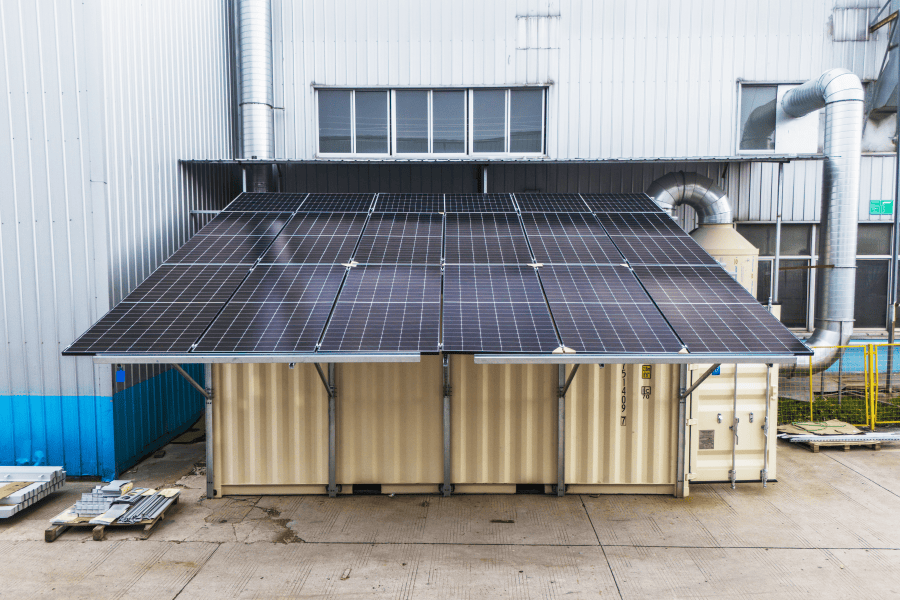
Getting Fire Safety Right: A Real-World Guide to Installing Novec 1230 in Your Eco-resort's BESS
Honestly, if you're developing an eco-resort, you're juggling a hundred priorities. Sustainability, guest experience, ROI. The last thing you want keeping you up at night is the safety of your energy storage system (BESS). But here's the thing I've seen firsthand on site: that containerized BESS powering your paradise isn't just another piece of equipment. It's the heart of your energy independence, and protecting it isn't about checking a box - it's about protecting your entire investment and reputation.
Quick Navigation
- The Real Problem: It's More Than Just a "Fire System"
- Why Getting It Wrong Costs More Than You Think
- The Right Solution: Novec 1230, Done Properly
- The Step-by-Step Guide: An Engineer's Perspective
- A Real Case: Lessons from a Coastal Retreat
- Beyond Installation: The Long-Term View
The Real Problem: It's More Than Just a "Fire System"
The industry phenomenon I see too often? Treating fire suppression as a last-minute, bolt-on accessory. A vendor says, "Sure, we'll add a system," and it becomes a line item, not an integrated safety philosophy. For remote eco-resorts, this is a critical flaw. You're not next to a fire station. A thermal runaway event, if not suppressed instantly and effectively, can lead to total asset loss, prolonged downtime, and catastrophic environmental PR - exactly what your brand doesn't stand for.
Why Getting It Wrong Costs More Than You Think
Let's agitate that pain point. The National Renewable Energy Lab (NREL) has done work showing that effective thermal management and safety systems are among the top factors in reducing the Levelized Cost of Storage (LCOS). Think about it: a system that fails can turn your CAPEX into a smoldering pile. Beyond the hardware, the operational disruption for a resort is immense. No power for water pumps, guest villas, or kitchens. That's not an outage; that's an evacuation scenario. The cost shifts from mere equipment replacement to brand salvage.
The Right Solution: Novec 1230, Done Properly
This is where a step-by-step installation of a Novec 1230 fire suppression system becomes your engineering safety net. Novec 1230 isn't chosen at Highjoule because it's trendy. It's because it's a clean agent - it leaves no residue, causes no collateral damage to sensitive battery modules, and is safe for occupied spaces post-discharge. But - and this is a huge but - its efficacy is 100% dependent on a precise, code-compliant installation. It's the "how," not just the "what."

The Step-by-Step Guide: An Engineer's Perspective
Forget generic manuals. Here's what a proper, integrated installation looks like, informed by UL 9540A and NFPA standards we adhere to:
Phase 1: Pre-Installation & Design Integration
This is where most off-the-shelf solutions fail. You cannot design the container layout first and then squeeze the fire system in.
- Hazard Analysis & Zoning: We map the container into hazard zones based on battery rack layout. A high C-rate rack generating more heat might need different nozzle placement. The goal is achieving the required concentration (typically 4-6% for Li-ion) in the entire volume in under 10 seconds.
- Piping Network Design (PND): The pipe lengths, diameters, and nozzle types are calculated using specialized software to ensure uniform agent distribution. This isn't guesswork.
- Bill of Materials (BoM) & Compliance Check: Every component - from the stainless-steel pipes to the specific Novec 1230 cylinders - must be from approved suppliers and listed for use with the agent. We ensure all materials meet the corrosive atmosphere standards common in BESS containers.
Phase 2: The Physical Installation
Now, the hands-on work. Sequence is everything.
- Container Prep & Anchor Points: Before any racks go in, we install the mounting brackets for the cylinder(s) and the main pipe manifold. These are welded or bolted to the container frame for seismic stability.
- Piping Run Installation: The prefabricated pipe network is installed along the ceiling, following the PND. We use flexible joints where needed to account for container settling or thermal expansion.
- Cylinder & Actuation Setup: The cylinders are mounted, and the actuation system (usually pneumatic or electric) is installed. This is critically tied into the container's thermal management system and gas detection sensors. The trigger isn't just "heat"; it's a combination of rapid temperature rise and off-gas detection.
- Nozzle Placement & Sealing: Nozzles are positioned directly over battery modules and in the air plenums. All penetrations are sealed with fire-rated materials to maintain the container's integrity, ensuring the agent stays in and oxygen is displaced.

Phase 3: Commissioning & Validation
The "trust but verify" stage. This is non-negotiable.
- Pressure & Flow Test: The entire piping network is pressurized with nitrogen to check for leaks. Even a small leak can mean failure to achieve the critical concentration.
- Functional Test: We simulate a fault signal from the BESS control system. Does the alarm sound? Do the vents close? Does the cylinder actuate within milliseconds? We check it all.
- Documentation & Handover: You get as-built drawings, a full commissioning report, and clear operational guidelines. This isn't just paperwork; it's essential for local fire authority approval and your own peace of mind.
A Real Case: Lessons from a Coastal Retreat
Let me give you a real example. We worked with a high-end eco-resort in the Caribbean. Their challenge: a 2 MWh BESS for solar shifting, located 500 meters from the main guest area, in a high-humidity, salty environment. The initial integrator had specified a generic aerosol system.
Our team stepped in during the design phase. We advocated for Novec 1230 because of its clean agent properties and suitability for the corrosive environment. The step-by-step installation was key. We integrated the fire suppression control with their proprietary BMS, ensuring the system would only actuate on a confirmed, escalating thermal event, not a simple sensor glitch. During commissioning, we found a leak in a pipe joint - a small issue caught early, preventing a total system failure during a real event. Two years on, the system has had zero false alarms and the resort management sleeps easier. Their LCOE calculation now includes a "risk mitigation" factor that actually makes financial sense.
Beyond Installation: The Long-Term View
Installing it right is just the start. At Highjoule, we view this as part of the system's lifecycle. Novec 1230 cylinders need periodic weighing to check for agent loss. The pressure switches and actuators need annual inspection. We build this into our service packages because, honestly, what's the point of a perfect installation if it's not maintained?
The bottom line for an eco-resort developer? Your BESS is a strategic asset. Protecting it requires a strategic safety solution installed with surgical precision. It's not a cost; it's the insurance policy that lets you truly capitalize on the benefits of renewable energy.
So, when you're evaluating proposals, my advice is to ask the tough question: "Walk me through your step-by-step process for the fire suppression integration." The detail in their answer will tell you everything you need to know.
Tags: UL Standard BESS Novec 1230 Fire Suppression Energy Storage Safety Eco-Resort
Author
James Zhang
20+ years agricultural energy storage engineer / Highjoule CTO