
215kWh Mobile BESS Container: The Flexible Data Center Backup Power Solution
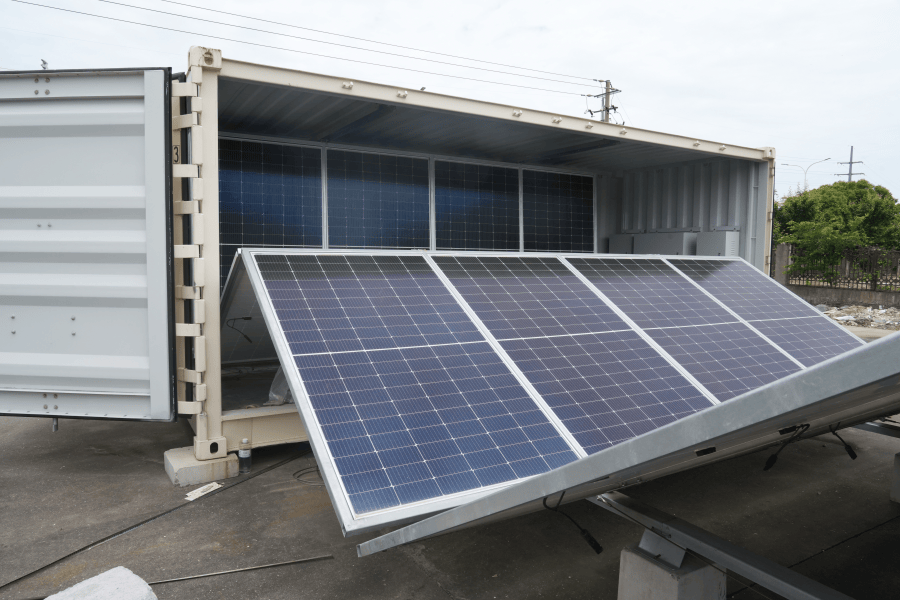
Table of Contents
- The Silent Problem with Static Backup Power
- Why This Hurts Your Bottom Line and Operations
- A Mobile, Scalable Solution: The 215kWh Power Container
- Beyond the Specs: Real-World Insights on Key Features
- A Case in Point: Deployment in a Northern German Industrial Park
- Making the Right Choice for Your Critical Load
The Silent Problem with Static Backup Power
Honestly, if you're managing a data center in the US or Europe, your backup power strategy is likely giving you sleepless nights. And it's not just about having enough diesel generators. The real, often unspoken, challenge is inflexibility. I've walked through dozens of facilities where the backup power assets - whether they're traditional gensets or even newer, fixed battery systems - are locked into a single location. What happens during phased expansion, or when you need to conduct critical maintenance on your primary electrical infrastructure? You're either over-provisioning capital upfront for "just-in-case" capacity or facing risky downtime windows. The industry's move towards higher-density computing and renewable integration, as highlighted in IEA reports on data center energy demand, only amplifies this pressure. Your power resilience needs to be as dynamic as your IT load.
Why This Hurts Your Bottom Line and Operations
Let's agitate this a bit, because the financial and operational impact is real. A fixed, oversized backup system ties up capital in equipment that might sit idle for 99% of its life. The Levelized Cost of Energy (LCOE) for that standby power is astronomical when you do the math. More critically, during an actual grid disturbance or a planned shutdown, your options are limited. I've seen firsthand on site where a data center in California had to delay a crucial transformer upgrade for over a year because they couldn't source a temporary backup solution that met their specific 200-250kWh critical load block requirement without a massive, complex installation. They were stuck between operational risk and a multi-million dollar, permanent infrastructure project. This rigidity is the antithesis of modern, agile infrastructure management.
A Mobile, Scalable Solution: The 215kWh Power Container
This is where the concept of a mobile, containerized Battery Energy Storage System (BESS) truly shines, and why specifications like those for a 215kWh cabinet-style mobile power container are becoming a hot topic. Think of it not as a replacement for your entire backup strategy, but as the ultimate tactical power tool. It's a self-contained, plug-and-play resilience asset. The core solution here is mobility and precise scalability. Instead of pouring a new concrete pad for a fixed system, you're deploying a pre-engineered, pre-tested power module on a trailer or skid that can be connected, disconnected, and relocated as your needs evolve. It turns backup power from a static capital expense into a flexible operational one.

Beyond the Specs: Real-World Insights on Key Features
Anyone can read a spec sheet. Let me translate what key terms mean for your operations, based on two decades of deploying these systems.
- C-rate & Discharge Duration: A 215kWh unit might be configured with a 1C-rated battery, meaning it can deliver roughly 215kW for about one hour. That's perfect for bridging short grid outages, managing peak shaving, or providing ride-through power during generator start-up. It's not for multi-day outages, but it's exactly what you need for the vast majority of grid events. The beauty is in stacking these units for longer duration if needed.
- Thermal Management: This is the unsung hero. A battery cabinet's lifespan and safety live and die by its thermal management system. In a mobile container, designed to IEC and UL 9540 standards, this isn't just a fan. It's a dedicated, fault-tolerant climate control system that maintains optimal temperature and humidity regardless of whether it's parked in Arizona heat or Scandinavian cold. Poor thermal management leads to rapid degradation and, in worst cases, thermal runaway. A robust system is non-negotiable.
- Standards Compliance (UL/IEC/IEEE): This isn't bureaucracy; it's your insurance policy. For the North American market, UL 9540 certification for the entire system is crucial. It means the enclosure, battery, power conversion system, and safety systems have been tested together as a unit. In Europe, IEC 62933 series standards play a similar role. At Highjoule, we design to these standards from the ground up because we've seen how it streamlines local permitting and fire department approvals - a huge hidden cost saver.
A Case in Point: Deployment in a Northern German Industrial Park
Let me share a recent project that illustrates this perfectly. A cloud service provider in North Rhine-Westphalia, Germany, had a 500kW critical IT load in a single hall. They needed to upgrade their medium-voltage switchgear, which required a 48-hour total power shutdown. The traditional quote for temporary diesel gensets was exorbitant and noisy, and it violated local emission regulations for the duration.
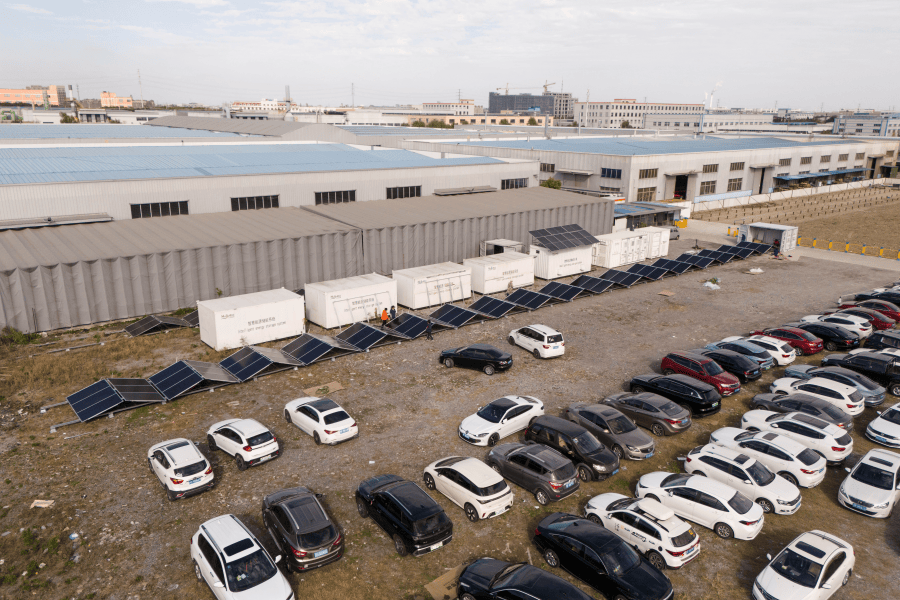
Our solution? We deployed two of our 215kWh mobile power containers, configured in parallel. They were trucked in on a Tuesday, connected via their integrated grid-forming inverters to the facility's critical busbar by our local EU-based team, and were providing seamless, silent backup power by Wednesday morning. The upgrade proceeded without a hitch. Post-upgrade, the containers were disconnected and moved to another site for a microgrid stabilization project. The client paid for power assurance as a service, not for permanent, underutilized assets. This flexibility is the future.
Making the Right Choice for Your Critical Load
So, when you're evaluating a mobile power container's technical specifications, look beyond the kWh and kW numbers. Ask your provider: How is thermal management ensured in extreme climates? Can you show me the UL or IEC certification for the entire container system? What's the real-world deployment timeline with your local support team? How does the system's design optimize the long-term LCOE, considering battery degradation?
Our approach at Highjoule has always been to engineer for the field, not just the datasheet. That means building in safety and serviceability from the start, ensuring our mobile solutions meet the strictest local standards in both the US and Europe, and standing by them with operational support. The goal is to give you not just a piece of equipment, but a strategic lever for managing risk and cost.
What's the one critical load in your operation that keeps you up at night, and how would being able to "wheel in" backup power change your planning?
Tags: UL Standard BESS LCOE Data Center Backup Power Thermal Management Energy Storage Solutions US Market Europe Market Mobile Power Container
Author
James Zhang
20+ years agricultural energy storage engineer / Highjoule CTO