
215kWh BESS for Eco-Resorts: Solve Power Challenges
Contents
- The Real Power Struggle for Eco-Resorts
- Beyond Irritation: The Cost & Reputation Impact
- Your On-Site Power Partner: The 215kWh Cabinet System
- Why This Setup Works for Resorts
- Seeing it in Action: A Lakeside Fix
- The Nuts & Bolts (Made Simple)
- The Highjoule Difference
- What's Your Power Story?
The Real Power Struggle for Eco-Resorts
Honestly, having spent more years than I care to count on project sites from the Alps to California's coast, I see a common headache for beautiful, remote eco-resorts. You're committed to sustainability, maybe running significant solar on those gorgeous lodge roofs or vast grounds. But when the grid flickers (and it often does, especially in those scenic spots!), or when peak demand hits as every guest rushes to charge devices and shower after hiking, what happens? That expensive solar power you generated might not be there when you really need it. You're either reliant on the often unreliable grid, fire up a noisy, polluting diesel generator (the ultimate eco-irony!), or worse, face guest complaints during outages. It directly clashes with the seamless, sustainable experience you've built your brand on.
Beyond Irritation: The Cost & Reputation Impact
Let's talk dollars and sense. Relying heavily on the grid during peak hours is brutal. Utility rates during those times? Sky-high. And that diesel backup? The fuel costs alone sting, not to mention maintenance and the environmental hit. Every unexpected outage isn't just a logistics nightmare; it risks guest satisfaction and online reviews. I've seen firsthand a resort in Colorado lose bookings for weeks after a high-profile outage ruined a wedding reception. Data from the International Renewable Energy Agency (IRENA) consistently shows that commercial operations in remote or tourist-heavy areas face significantly higher energy costs and reliability challenges compared to urban centers. Relying solely on solar without storage often means wasting up to 60% of that precious solar energy you generate when resort demand is low C it just flows back to the grid at minimal feed-in tariffs. That's like buying fine wine and pouring half down the drain!
Your On-Site Power Partner: The 215kWh Cabinet System
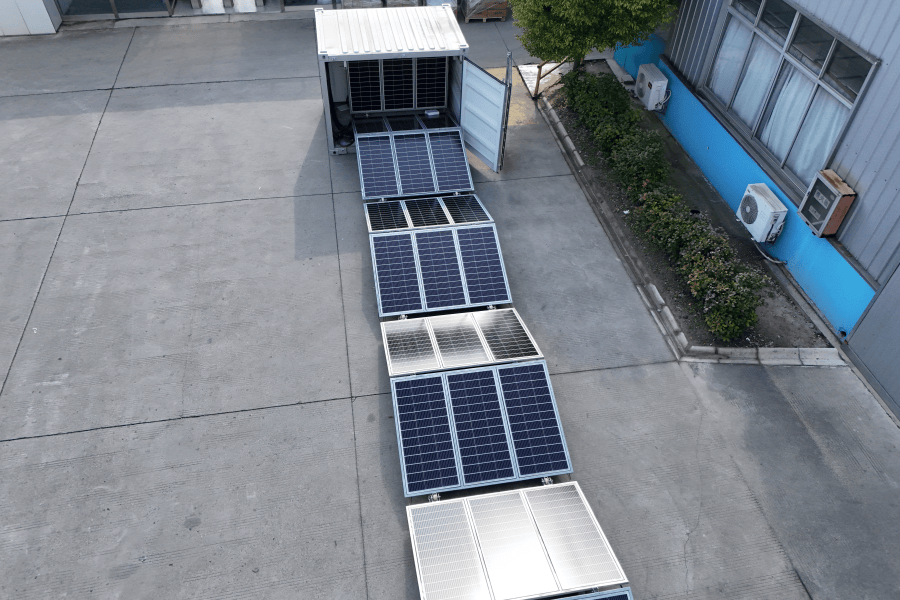
This is precisely where smarter energy storage steps in, not as a futuristic concept, but as a practical, deploy-now solution like our specifically designed 215kWh Cabinet Photovoltaic Storage System. Think of it as the essential buffer and manager for your resort's energy. It captures surplus solar during sunny afternoons when guests are out exploring and discharges it right when you need it most C during peak evening demand, overnight for essential services, or seamlessly during any grid glitch. No more noisy generators ruining the tranquility. It transforms your solar investment from a daytime contributor into a true 24/7 energy asset, directly tackling those core pain points.
Why This Setup Works for Resorts
Size matters here. While giant megawatt-scale systems grab headlines, the 200-300kWh range is often the sweet spot for many independent eco-resorts or boutique clusters. It's substantial enough to handle critical loads like guest rooms, kitchens (cold storage!), main lodges, and vital water pumps, but it's also manageable C a single containerized unit sited neatly away from guest areas. No vast land footprint needed. Systems like this are proven to provide several hours of backup for essential resort functions, significantly shave off peak grid charges, and make efficient use of 80-90%+ of the solar power you generate onsite. That translates directly to predictable bills and tangible ROI.
Seeing it in Action: A Lakeside Fix
Take a resort I worked on last year nestled by a pristine lake in Northern Michigan. Stunning location, awful grid. They had a good solar array but faced constant evening brownouts and skyrocketing demand charges in summer. Running generators was killing their eco-cred. We installed a 215kWh cabinet system, integrating tightly with their existing solar. The transformation was tangible. During one big summer storm causing a multi-day grid outage, their main lodge, kitchen, and key staff housing stayed powered silently by the stored solar. Guests barely noticed! Financially, they're slashing over $12,000 annually just on demand charges alone. That peace of mind? Honestly, you can't put a price tag on avoiding frantic generator starts and guest relocation chaos at 2 AM. 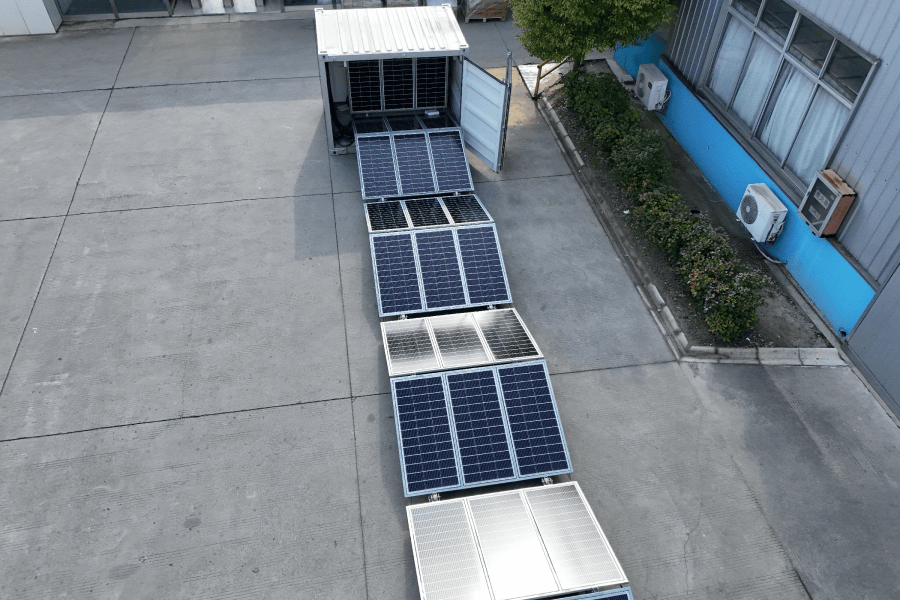
The Nuts & Bolts (Made Simple)
Okay, let's geek out for a minute over coffee C but I promise, no jargon overload. You'll hear specs like'LFP chemistry' C that's Lithium Iron Phosphate. It's the safety and longevity champ, perfect for resorts where safety is non-negotiable. We built our system around this. Then there's'C-rate'. Sounds technical, but it's simply how quickly the battery charges or discharges relative to its size. Think of it like the engine's powerband. Our cabinet is designed for optimal resort use C it can comfortably handle the surge when everyone returns and turns things on (like a 0.5C discharge rate), but it's not stressed excessively, which means longer life.
The real unsung hero? Thermal Management. Batteries, like people, perform best within a comfortable temperature range. Our system uses active liquid cooling C essentially a smart HVAC system just for the battery modules. I've seen systems without proper thermal management suffer in extreme desert heat or mountain cold, losing capacity or even tripping offline. This active system ensures consistent, reliable power delivery whether it's 100F or -10F outside C crucial for critical resort operations. Lastly, the big financial term: LCOE (Levelized Cost of Energy). It's the total lifetime cost of owning and operating the system per kWh it delivers. A well-designed LFP system with strong thermal management, like ours, delivers a lower LCOE because it lasts longer (10,000+ cycles, easily 10-15 years) and needs less maintenance. It's built for the long haul, just like your resort. Crucially, every component is designed and certified to stringent UL 9540 and IEC 62619 standards C the global benchmarks for safety we demand in the US and EU.
The Highjoule Difference
What makes this specific solution more than just specs on a sheet? It comes down to practical realities forged over two decades in the field. We know resorts operate in unique, often challenging environments. Our cabinet isn't just UL listed; it's built rugged for that coastal air or mountain dust. The integration is designed to be smooth, whether you're adding it to new solar or retrofitting existing setups. Perhaps most importantly for you: we understand deployment and support needs. That system in Michigan? We had our local US-based partner team handle the install and commissioning in under a week. They're also the same folks handling the ongoing remote monitoring and any needed maintenance C quick response, no language barriers, no waiting weeks for an overseas technician. We don't just ship boxes; we provide a solution backed by global experience and local support muscle.
What's Your Power Story?
Every resort has its unique energy narrative. Are unpredictable outages your biggest fear? Or is it the silent drain of those monthly demand charges eating into profits? Maybe you're ready to make your solar investment truly work around the clock. Based on countless site visits and system deployments, I firmly believe solutions like this 215kWh cabinet aren't just about storing power C they're about protecting your reputation, boosting your sustainability credentials in a tangible way, and finally gaining control over a major operational cost. Ready to see how we could help write your resort's next, more resilient chapter? Let's discuss what your perfect power setup looks like.
Tags: BESS LCOE Reduction Microgrid Solutions Eco-Resort Energy Storage Solar Integration UL Certified Battery Commercial Energy Storage
Author
James Zhang
20+ years agricultural energy storage engineer / Highjoule CTO