
Optimize Scalable Modular PV Storage for Industrial Parks
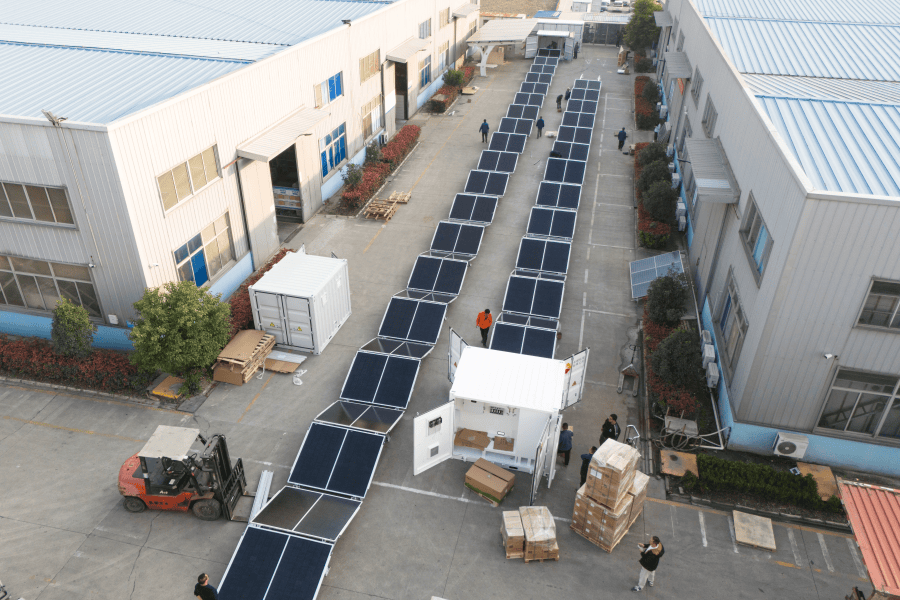
Table of Contents
- The Hidden Costs of Industrial Energy Instability
- Why Half-Measures Backfire in Energy Storage
- Modular Systems: Your Scalable Energy Solution
- Real-World Success: Texas Industrial Park Case
- Engineer's Notebook: Key Optimization Levers
The Hidden Costs of Industrial Energy Instability
Honestly? Most plant managers underestimate how much grid volatility costs them. I've walked through factories where machines shudder during voltage dips - each hiccup costing thousands in spoiled production. Across Europe and North America, industries face three brutal realities: unpredictable energy pricing, aging grid infrastructure, and sustainability mandates that aren't negotiable anymore. The IRENA reports industrial electricity prices jumped 38% in Germany and 27% across the EU last year alone. That's not just a line item - it's survival.
Why Half-Measures Backfire in Energy Storage
I've seen this firsthand on site: operations teams buying "bargain" storage units only to face thermal runaway scares or disappointing cycle life. One Ohio manufacturer lost $500k when their non-compliant BESS tripped during peak shaving. The truth? Oversized single cabinets waste capital, while undersized arrays strain components. Worse, some systems can't handle the C-rate swings from industrial equipment cycling - imagine forklift chargers kicking on simultaneously. Thermal management becomes critical when ambient temps hit 104F in Texas warehouses.
Modular Systems: Your Scalable Energy Solution
Here's where modular PV storage changes everything. Picture adding battery blocks like Lego bricks as your needs grow. Our approach at Highjoule? Start with a 500kWh base and scale incrementally. The magic lies in three layers: UL-certified battery cabinets with liquid cooling (no more thermal runaway nightmares), smart inverters that "talk" to your existing PV, and predictive software that learns your load patterns. We've cut commissioning time by 40% using pre-tested modules that slot into place like library books - minimal site disruption.
Real-World Success: Texas Industrial Park Case
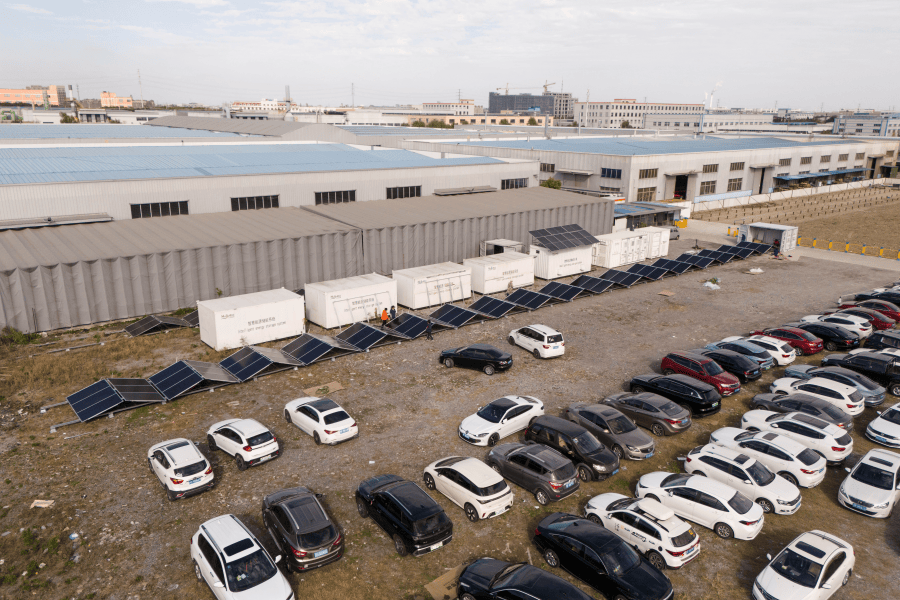
Take a Houston automotive parts supplier we worked with last quarter. Their pain points? 30-second voltage sags ruining robotic welders and $28k monthly demand charges. We deployed a 1.2MW/3.44MWh modular system integrating with their existing solar. The containerized units went live in 9 weeks - half the typical timeline. Key details:
- Phased deployment: First 4 cabinets covered critical lines, added 2 more later
- Liquid cooling maintained optimal 77F cell temps despite 110F warehouse peaks
- Dynamic C-rate adjustment handled 500kW forklift charger surges
Results? 92% demand charge reduction and zero production halts in 6 months. The plant manager now sleeps through storm warnings.
Engineer's Notebook: Key Optimization Levers
Let's geek out on optimization - without the jargon soup. First, thermal management isn't optional. Air cooling fails at 95F+ ambient temps. Liquid systems like ours maintain efficiency while keeping cells 20F cooler, extending lifespan. Second, understand C-rates: it's how fast you charge/discharge batteries. Industrial equipment needs high C-rate tolerance (we design for 2C continuous). Push too hard, and degradation accelerates. Third, LCOE matters more than upfront cost. A cheaper system needing replacement in 5 years? False economy. Our modular approach achieves $0.08/kWh LCOE through 20-year durability.
Finally, compliance isn't paperwork - it's insurance. Our systems exceed UL 9540A and IEC 62933 standards because I've witnessed too many "standard" units combust under industrial stress. Want to explore how your park can phase in storage? Let's discuss your load profiles over coffee - virtual or real.
Tags: UL Standard BESS LCOE Photovoltaic Storage Renewable Energy Industrial Energy
Author
James Zhang
20+ years agricultural energy storage engineer / Highjoule CTO