
Pre-Integrated PV & 215kWh BESS for EV Charging: Solving Grid & Cost Pain Points
Contents
- The Silent Problem Crippling Your EV Charging Business Case
- Beyond the Hype: Why "Just Add Batteries" Isn't Enough
- The Integrated Answer: More Than Just a Box
- A Tale from Texas: How Pre-Integration Saved a 12-Station Project
- Decoding the Specs: What "C-Rate" and Thermal Management Really Mean for You
- Your Next Step: From Concept to Reliable Revenue
The Silent Problem Crippling Your EV Charging Business Case
Let's be honest. When we talk about deploying EV fast charging stations, especially the high-power DC ones, the conversation is all about chargers, power levels, and customer convenience. But there's a massive, often overlooked, elephant in the room: the grid. And honestly, I've seen this firsthand on site. You plan a cluster of four 150kW chargers. The peak demand hits 600kW, maybe for just 30 minutes during the evening commute. Your utility sees that peak, and your demand charge skyrockets. According to the National Renewable Energy Lab (NREL), demand charges can constitute 50-90% of a commercial site's electricity bill. Suddenly, your profitable charging hub is bleeding money before it even serves its tenth customer.
Then there's grid capacity. Utilities are overwhelmed. Getting a transformer upgrade or a new service connection for a multi-station site can take 18-24 months in some parts of California or Germany, with six-figure price tags. Your entire project timeline and ROI are held hostage by infrastructure you don't control.
Beyond the Hype: Why "Just Add Batteries" Isn't Enough
So the answer is a battery, right? Well, yes and no. The market is flooded with generic battery energy storage system (BESS) solutions. But slapping a standard battery cabinet next to your chargers and hoping they talk to each other is where the real headaches begin. I've been called to sites where the BESS and the solar PV (often added for green credentials) were from different vendors, with different communication protocols. The integration was a nightmare of custom engineering, endless software patches, and finger-pointing when something failed. Safety is another layer. A mismatched system struggles with coordinated thermal management. In a cabinet, if the battery cells and the power conversion system (PCS) aren't thermally designed as a single unit, you risk hotspots, reduced lifespan, or worse. UL 9540 and IEC 62933 standards aren't just checkboxes; they're blueprints for safe, predictable operation.

The Integrated Answer: More Than Just a Box
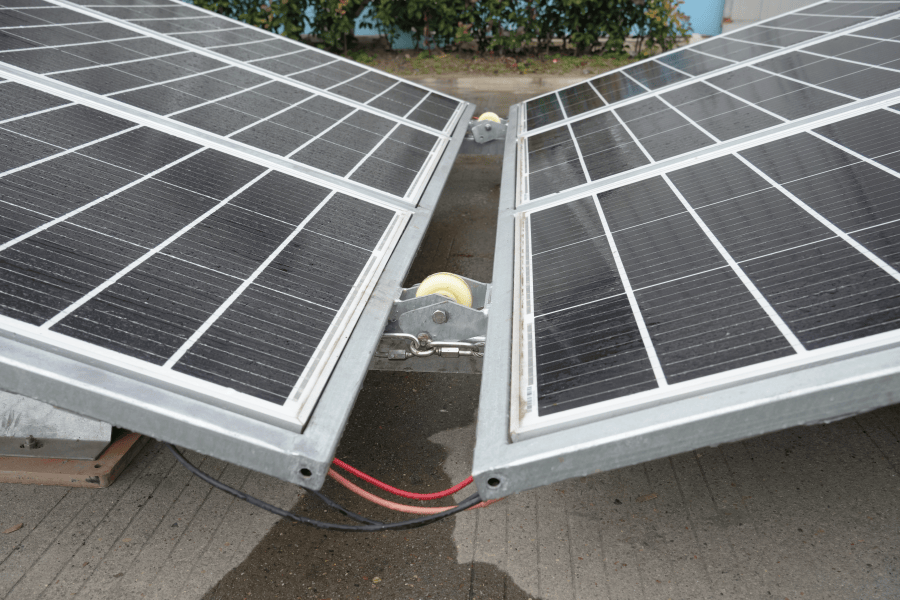
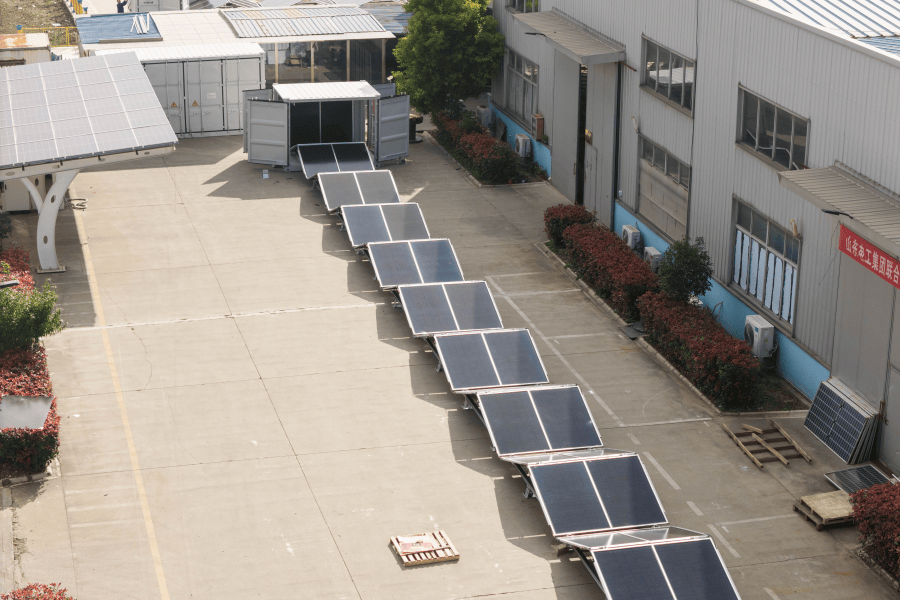
This is where the concept of a pre-integrated container, like the Technical Specification of 215kWh Cabinet Pre-integrated PV Container for EV Charging Stations, shifts from being a "nice-to-have" to a "must-have." The magic isn't in the 215kWh capacity alone - it's in the word "pre-integrated." Think of it as a fully operational, grid-independent power plant on a skid, designed for one job: to power EV chargers reliably and cost-effectively.
At Highjoule, we build these units from the ground up with that single purpose. The lithium-ion battery cabinet, the bi-directional inverter, the PV combiner, the climate control system, and the energy management system (EMS) are all selected, sized, and tested together. They speak the same language from day one. This holistic design is what allows us to optimize for the true metric that matters: the Levelized Cost of Energy (LCOE) for your charging operation. By minimizing conversion losses, maximizing cycle life through intelligent cycling, and slashing installation and commissioning time from weeks to days, we attack the total cost of ownership from every angle.
A Tale from Texas: How Pre-Integration Saved a 12-Station Project
Let me give you a real example. We worked with a developer in Texas who was building a new retail plaza with 12 EV charging stalls. The utility quoted a 2-year wait for a service upgrade. Their project was dead in the water.
We deployed two of our pre-integrated 215kWh containers, each with a rooftop PV canopy. The containers arrived on-site with UL 9540 certification in hand. Because they were pre-wired and pre-tested, we had them commissioned and online in under 72 hours. The system's EMS is smart - it prioritizes using solar power, then uses the battery to shave any peak demand from the grid, and only pulls minimal grid power as a last resort. In the first year, the operator avoided over $85,000 in demand charges. The grid connection they finally got was smaller and cheaper. The project wasn't just saved; its profitability was fundamentally enhanced.
Decoding the Specs: What "C-Rate" and Thermal Management Really Mean for You
When you look at a spec sheet, don't gloss over the technical details. They tell the story of longevity and performance. Take C-rate. It sounds complex, but it's simply how fast a battery can charge or discharge. A 1C rate means the 215kWh battery can deliver 215kW for one hour. For EV fast charging, you need a high C-rate (we design for 1C or higher) to deliver those big bursts of power when multiple cars plug in simultaneously. A battery with a low C-rate would struggle, causing charging slowdowns and unhappy customers.
Then there's Thermal Management. This isn't just an air conditioner in a box. It's a liquid cooling system specifically calibrated for the heat output profiles of both the battery cells and the PCS. Proper thermal management does two crucial things: it ensures safety by preventing thermal runaway, and it extends battery life. Every 10C reduction in average operating temperature can double the lifespan of a lithium-ion battery. That directly translates to a lower LCOE and a better return on your investment.
Our approach at Highjoule is to engineer these factors together. The high C-rate capability is only sustainable with an equally robust thermal system. That's the core of a pre-integrated, purpose-built solution versus a bundle of disparate components.
Your Next Step: From Concept to Reliable Revenue
The journey to a resilient, profitable EV charging site doesn't start with digging trenches for grid lines. It starts with rethinking your power architecture. A pre-integrated solar and storage container isn't an expense; it's the infrastructure that unlocks revenue faster, protects you from volatile utility rates, and future-proofs your asset.
What's the single biggest grid constraint facing your next charging project, and how much is delay costing you per month?
Tags: UL Standard BESS LCOE Energy Storage Microgrid Solar Integration EV Charging
Author
James Zhang
20+ years agricultural energy storage engineer / Highjoule CTO