
IP54 Outdoor 1MWh Solar Storage for Agricultural Irrigation: The Ultimate Guide
Contents
- The Real Problem: It's Not Just About Power, It's About Reliability
- Why It Hurts More: The Hidden Costs of Getting It Wrong
- The Solution Unpacked: What "IP54 Outdoor 1MWh" Really Means for Your Farm
- A Case in Point: Learning from a California Vineyard
- Key Specs Decoded: C-Rate, Thermal Management, and LCOE Made Simple
- Making It Work for You: Beyond the Box
The Real Problem: It's Not Just About Power, It's About Reliability
Let's be honest. If you're managing a large-scale agricultural operation in the US or Europe, you've probably looked at solar. The math on reducing your grid dependency, especially during peak irrigation seasons, is compelling. But here's the catch I've seen firsthand on site: the sun doesn't always shine when your crops are thirstiest. You end up with a fantastic solar array that generates a surplus at noon, but your pumps need to run from 4 PM to midnight. Relying on the grid at those times? That's when demand charges skyrocket. According to the National Renewable Energy Laboratory (NREL), effectively pairing solar with storage can increase the value of solar energy for agricultural uses by over 50%. The problem isn't generation; it's intelligent, resilient storage that can stand up to the elements, season after season.
Why It Hurts More: The Hidden Costs of Getting It Wrong
So you decide to add storage. The initial quote looks good. But then, the real costs creep in. I've walked onto farms where a "standard" indoor battery system was hastily placed in a modified shed. The first heatwave hits, and the thermal management system can't keep up - performance plummets, and the lifespan of those expensive cells takes a nosedive. A dust storm or a heavy spring rain? Moisture and particulate ingress become a real safety hazard, not to mention a warranty void. Suddenly, that low upfront cost is erased by lost efficiency, premature replacement, and constant anxiety. For an irrigation system that's mission-critical, downtime isn't an option. A failed pump during a critical growth window can mean a significant portion of your year's revenue is just?- gone.

The Solution Unpacked: What "IP54 Outdoor 1MWh" Really Means for Your Farm
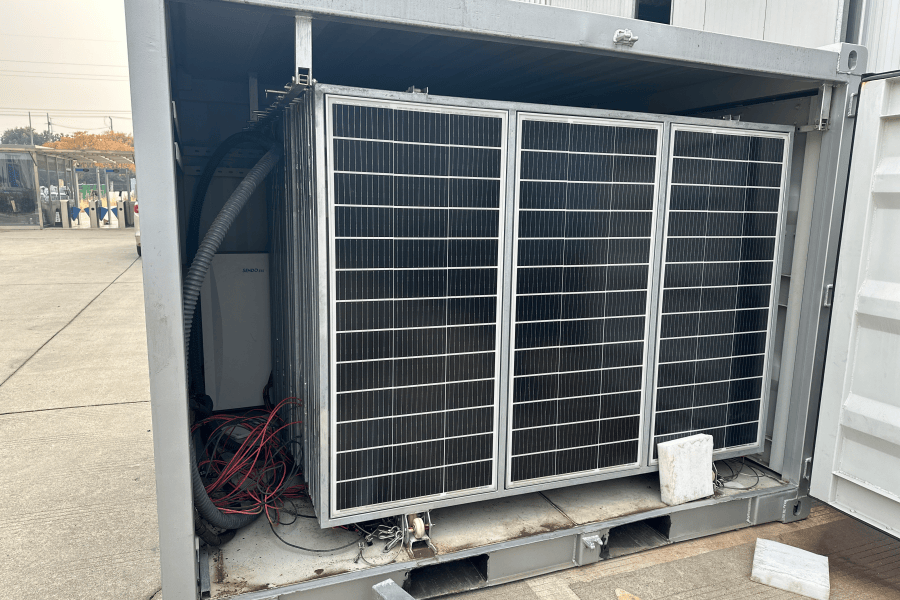
This is where the specific idea of an IP54-rated, outdoor 1MWh solar storage system moves from a spec sheet to a game-changer. Let's break down why this combination is the sweet spot for modern agribusiness.
IP54 Isn't Just a Number: It's a promise. "IP" stands for Ingress Protection. The "5" means it's protected against dust intrusion that could harm components. The "4" means it can handle water splashing from any direction. This isn't a laboratory rating; it's a field requirement. It means your storage unit can sit right where you need it - near your irrigation pivot or pump house - without needing a costly, permitted shelter. It breathes on its own, protected from the very environments farms exist in.
1MWh is the Scale of Action: A megawatt-hour is a substantial amount of energy. In practical terms, it can run a large 150-horsepower irrigation pump for several hours, easily shifting your entire evening or nighttime load off the grid. It's the scale that moves the needle on your utility bill and provides real operational independence.
The Outdoor Design Philosophy: At Highjoule, when we engineer for outdoor deployment, we're thinking beyond the IP rating. We're thinking about corrosion-resistant materials for the enclosure, HVAC systems that can cool the battery racks efficiently even when it's 100F outside, and service access that doesn't require a sterile environment. Honestly, the goal is to make it as rugged and serviceable as a tractor.
A Case in Point: Learning from a California Vineyard
Let me give you a real example. We worked with a vineyard in Sonoma County, California. Their challenge was classic: high afternoon solar generation, but frost protection and irrigation needed power at night and early morning. They faced high time-of-use rates and wildfire-related grid instability (PSPS events).
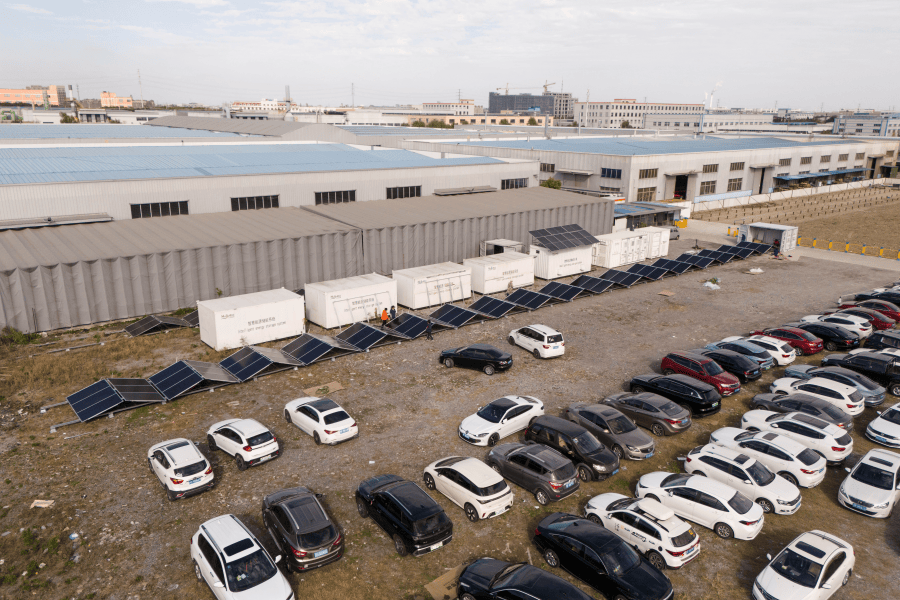
Their old setup was piecemeal. We deployed a single, integrated 1MWh IP54 outdoor BESS, coupled with their existing solar. The container was placed on a simple concrete pad near the main wellhead. The system was programmed to charge from solar midday, then discharge during the evening peak rate period and again in the early morning for frost fans. During a planned grid outage, the system kept critical irrigation running for a full 8-hour window.
The outcome? They slashed their peak demand charges by over 40% and secured water access during grid-down events. The local fire marshal appreciated the UL 9540 and UL 1973 certified system's safety documentation. The key was an all-in-one, right-sized, outdoor-ready solution.
Key Specs Decoded: C-Rate, Thermal Management, and LCOE Made Simple
When you evaluate systems, you'll hear technical terms. Don't let them intimidate you.
- C-Rate: Simply put, it's how fast you can charge or discharge the battery. A 1MWh system with a 0.5C rate can deliver 500kW of power. For irrigation, you need to match the C-rate to your pump's power draw. Too low, and the battery can't power your big pump. We design with this balance in mind.
- Thermal Management: This is the battery's climate control. Lithium-ion cells hate extreme heat and cold. A superior system, like ours, uses a liquid cooling loop that quietly and evenly maintains the perfect temperature range, extending life and ensuring full power output on a hot August day. This is non-negotiable for outdoor reliability.
- LCOE (Levelized Cost of Energy): This is your ultimate "cost per kWh" over the system's life. A cheaper battery that degrades in 5 years has a terrible LCOE. A robust, well-managed system that lasts 15+ years offers a stunningly low LCOE. The International Energy Agency (IEA) notes that falling battery costs are driving LCOE down, but quality engineering is what ensures you realize those savings.
Making It Work for You: Beyond the Box
Deploying a system like this isn't just shipping a container. It's about making it work in your context. Our approach at Highjoule is to provide the complete solution: the UL/IEC-compliant hardware, the energy management software that optimizes for your specific tariff and schedule, and crucially, the local support network. Whether it's interconnection approval with your utility in Texas or meeting specific Bauart specifications in Germany, we've navigated these waters. The system's value is only realized when it's seamlessly integrated into your daily operations, monitored remotely, and supported by someone who understands both the technology and your business.
So, the next time you look at your energy bill or plan your next season's irrigation strategy, ask yourself: Are you just generating power, or are you building resilient, cost-effective energy independence? The right storage is the difference.
What's the single biggest energy cost driver you're facing in your operation this season?
Tags: UL Standard BESS Europe US Market Agricultural Irrigation Outdoor Energy Storage Solar Storage IP54 1MWh
Author
James Zhang
20+ years agricultural energy storage engineer / Highjoule CTO