
Black Start Mobile Power for EV Charging: Benefits, Drawbacks & Real-World Insights
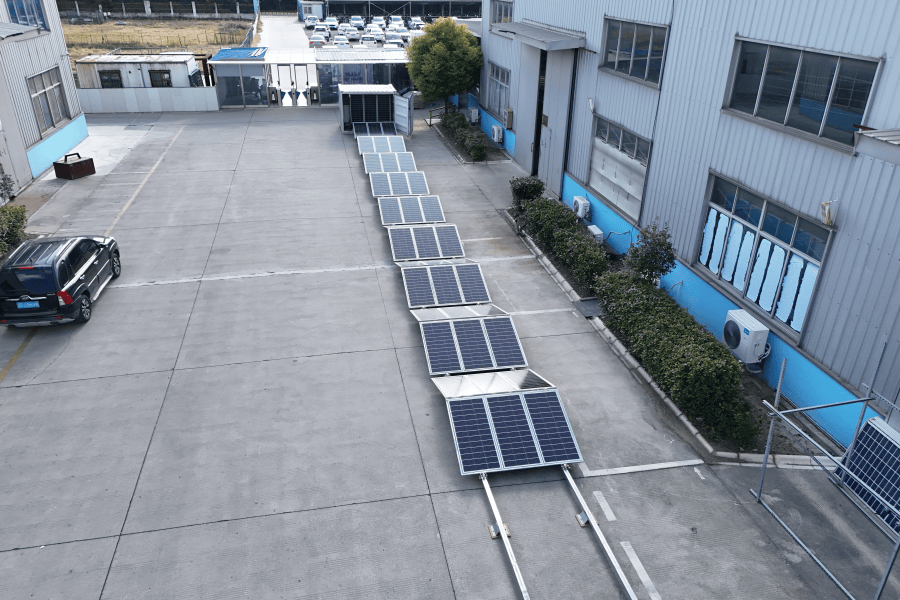
Table of Contents
- The Real Grid Problem We're All Facing
- What Exactly Is a Black Start Mobile Power Container?
- The Benefits, From An Engineer's Perspective
- The Drawbacks No One Talks About Over Coffee
- Making the Right Call for Your Site
The Real Grid Problem We're All Facing
Let's be honest. If you're managing a fleet depot, a public fast-charging hub, or even a commercial site with EV chargers, you've felt the pinch. The grid is getting, well, unpredictable. I was on site last year in California during a Flex Alert, and the frustration from drivers facing offline chargers was palpable. It's not just about inconvenience; it's about lost revenue and a hit to your brand's promise of reliability.
The data backs this up. According to the International Energy Agency (IEA), global electricity demand from EVs is set to skyrocket, putting immense strain on local distribution networks. The issue isn't just peak demand - it's the increasing frequency of grid disturbances, from wildfires to storms, that can take a substation offline for hours or even days. Suddenly, your million-dollar charging investment is a silent, useless asset. That's the core problem: static infrastructure in a dynamic, sometimes fragile, energy environment.
What Exactly Is a Black Start Mobile Power Container?
Before we dive deep, let's clarify the tech. A Black Start Capable Mobile Power Container isn't just a big battery on wheels. Think of it as a self-contained, plug-and-play microgrid. It combines a large-scale battery energy storage system (BESS) with advanced power electronics that allow it to start up - "black start" - from a completely dead state, without relying on the external grid. It's like having a portable power plant that can not only backup your chargers but also restart the local grid section if needed. These units are built to stringent standards like UL 9540 and IEC 62933, which we at Highjoule treat as the absolute baseline, not the finish line.

The Benefits, From An Engineer's Perspective
So, why are we seeing a surge in inquiries for these mobile units? The benefits are tangible, especially for decision-makers looking at the bottom line and operational uptime.
- Unmatched Resilience & Uptime: This is the big one. During a grid outage, a standard backup system might keep lights on. A black-start unit ensures your EV chargers remain fully operational. I've seen this firsthand on a project for a logistics fleet in Texas. When a local fault caused a 12-hour outage, their mobile container islanded the site, and trucks continued charging and dispatching. Revenue didn't skip a beat.
- Deployment Speed and Flexibility: Permitting and building a fixed BESS can take 12-18 months. A pre-certified mobile container can be deployed in weeks. Need to shift resources because a new depot is coming online faster? You can literally truck it there. This flexibility is a game-changer for managing capital across multiple sites.
- Grid Services & Revenue Stacking: When the grid is healthy, this asset can work for you. It can perform peak shaving (cutting those brutal demand charges), participate in frequency regulation markets, or store cheap overnight power. This actively improves your LCOE (Levelized Cost of Energy) for charging. It transforms the unit from a cost center (insurance) into a revenue-generating asset.
- Future-Proofing: Grid interconnection queues are long. A mobile solution lets you deploy charging capacity now, deferring expensive grid upgrade costs. It's a strategic buffer.
A Quick Case Study: Supporting a Microgrid in Northern Germany
We deployed a 2 MWh mobile container for a renewable-heavy industrial park that also hosted public EV charging. Their challenge was intermittency from wind and solar, which made DC fast-charging a reliability risk. Our container provided three key functions: it smoothed the renewable output, offered black-start capability for the park's microgrid after any fault, and ensured the chargers had 99.9% uptime. The thermal management system - a critical, often overlooked component - was key here, maintaining optimal cell temperature through the variable North Sea weather to ensure both safety and long cycle life.
The Drawbacks No One Talks About Over Coffee
Now, for the real talk. This isn't a magic bullet, and going in with eyes wide open will save you headaches later.
- Higher Upfront Capex: The engineering for black-start capability, the ruggedized transportability, and the extensive safety systems make these units more expensive per kWh than a stationary, grid-tied-only BESS. You're paying for that ultimate resilience and mobility.
- Operational Logistics: It's mobile, but it's not light. Moving it requires specialized haulage and site prep (a level, reinforced concrete pad). You also need a clear plan for where and how it connects at each location. It's not quite "plug and play" like a USB drive.
- Energy Density Trade-off: To be transportable, there are practical size and weight limits. This can mean slightly lower total energy capacity compared to a fixed site-built system of the same footprint. Engineers are always balancing the C-rate (how fast you can pull energy out) with total capacity and cycle life within a constrained container size.
- Ongoing Maintenance & Expertise: These are complex systems. While our Highjoule units are designed for remote monitoring, they still require periodic professional maintenance from technicians who understand both high-voltage battery systems and power conversion electronics. This isn't a "set it and forget it" appliance.

Making the Right Call for Your Site
So, is it right for you? Ask these questions, the same ones I go through with our clients:
- What's the true cost of downtime? For a public charging corridor or a critical fleet, it's huge. The mobile black-start unit justifies its cost.
- Is your site permanent or likely to change? For temporary sites, construction sites, or phased developments, mobility is a massive advantage.
- What's your local grid's health? If you're at the end of a long feeder line or in an area prone to outages, the resilience argument becomes overwhelming.
The key is to view it as a strategic asset, not just a battery. It's about ensuring business continuity, unlocking new revenue, and building infrastructure that adapts. At Highjoule, our approach is to model your specific load profiles, grid tariffs, and risk tolerance to give you a clear, numbers-backed picture. Because honestly, the best solution is the one that fits your reality, not just the latest buzzword.
What's the single biggest grid-related risk facing your EV charging operations today?
Tags: UL Standard BESS LCOE Europe US Market Black Start Grid Resilience Renewable Energy EV Charging Mobile Power Container
Author
James Zhang
20+ years agricultural energy storage engineer / Highjoule CTO