
Grid-forming Hybrid Solar-Diesel Systems for Farm Irrigation: Benefits & Drawbacks
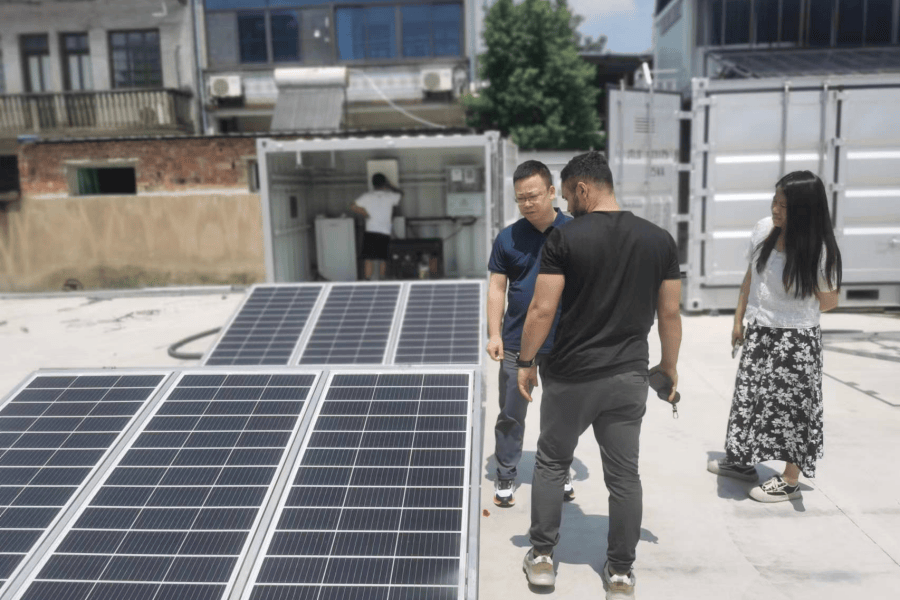
Grid-forming Hybrid Solar-Diesel for Irrigation: The On-the-Ground Truth from an Engineer
Honestly, if I had a dollar for every time I've stood in a field with a farmer, looking at a diesel genset guzzling fuel while the sun beats down overhead, I'd have a pretty nice retirement fund. There's this palpable frustration C the energy is literally falling from the sky, but the irrigation pump is tied to a volatile, expensive fuel source. It's a problem I've seen firsthand from California's Central Valley to the farmlands of Southern Spain. The push for decarbonization is strong, but the need for absolute, rock-solid reliability for crop irrigation is stronger. That's where the conversation about grid-forming hybrid solar-diesel systems gets real interesting, and honestly, a bit nuanced. Let's chat about what they really offer, and where the headaches might pop up.
Quick Navigation
- The Real Problem: More Than Just Fuel Costs
- The Hybrid Promise: What Grid-Forming Really Brings
- The Benefits, Unpacked
- The Drawbacks, Honestly
- A Peek at a Real-World Case
- Making It Work: An Engineer's Two Cents
The Real Problem: More Than Just Fuel Costs
We all know diesel is expensive. The U.S. Energy Information Administration (EIA) consistently shows its price volatility. But on site, the pain points run deeper. It's the logistical nightmare of fuel delivery to remote fields, the maintenance schedules for engines that hate to sit idle, and the sheer noise and emissions that are becoming a social license issue, especially in Europe. Then you add solar. A great idea, but traditional, grid-following solar inverters can't start and stabilize big irrigation pumps on their own. They need a stable "grid" to follow C typically provided by that diesel genset running constantly at low, inefficient load. So you're burning fuel just to enable your solar to work. It feels backwards, right?
The Hybrid Promise: What Grid-Forming Really Brings
This is the game-changer. A grid-forming battery energy storage system (BESS) acts like the "digital heart" of your own mini-grid. Unlike grid-following tech, it can create a stable voltage and frequency waveform from scratch. In practice, this means the system can start massive irrigation pumps using energy from the batteries, seamlessly blend in solar when the sun shines, and only call on the diesel genset as a last resort or for peak shaving. It fundamentally re-architects the power hierarchy. The diesel genset goes from being the constant boss to a reliable backup employee.

The Benefits, Unpacked
So, what do you actually gain? Let's break it down.
- Radical Fuel Savings & Lower LCOE: This is the big one. The diesel runtime can be slashed by 70-90% in well-designed systems. You're burning fuel only when absolutely necessary. This dramatically lowers your Levelized Cost of Energy (LCOE) C that's the total lifetime cost of your power C making the solar + storage investment pay off much faster. I've seen payback periods drop under 5 years in high-sun, high-diesel-cost areas.
- Enhanced Reliability & True Resilience: A grid-forming BESS provides instant power. If a cloud passes over your solar array or the genset needs a second to kick in, the batteries don't even blink. For sensitive irrigation schedules, this continuity is everything. It also future-proofs you for pure solar + storage operation as battery costs fall.
- Operational Flexibility & Smoother Genset Use: You can now run the diesel genset at its optimal, efficient load point when it does run, charge the batteries, and then shut it off completely. This reduces maintenance wear and tear and extends its life.
- Easier Grid Integration (if you have one): For farms with a partial grid connection, these systems can provide valuable grid services, like frequency response, potentially creating a new revenue stream.
The Drawbacks, Honestly
It's not all sunshine (pun intended). You need to go in with eyes wide open.
- Higher Upfront Capital Cost (CapEx): This is the main barrier. You're adding a sophisticated, UL 9540 / IEC 62477-certified BESS and advanced controls on top of the solar PV and existing genset. The financing model shifts from operational expense (fuel) to capital expense.
- System Complexity & Integration Headaches: This isn't plug-and-play. Getting the legacy diesel genset, new solar inverters, and the grid-forming BESS to communicate flawlessly is an engineering challenge. I've spent weeks on site tuning control algorithms to prevent "fights" between power sources.
- Battery Technology & Thermal Management Choices: Not all batteries are suited for the high-power bursts (high C-rate) needed to start large pumps. You need a robust battery with a sophisticated thermal management system. A poorly managed battery in a hot container will degrade fast, killing your economics. This is where product quality is non-negotiable.
- Ongoing Technical Expertise: Maintenance is no longer just changing oil filters. You need someone who can read battery management system (BMS) logs and understand system diagnostics, or a reliable service partner.
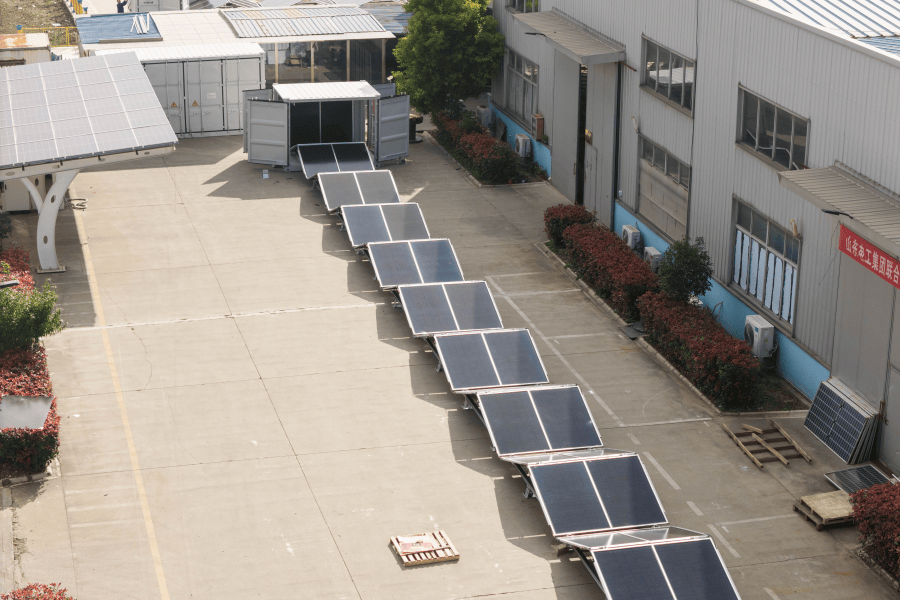
A Peek at a Real-World Case
Let's talk about a project we did in Texas. A 500-acre pecan orchard with a deep-well pump (a 250 HP beast). Their diesel bill was crippling. The challenge was the massive inrush current when starting that pump C it would trip conventional systems.
We deployed a grid-forming BESS specifically sized for that inrush current, coupled with a 300 kW solar array. The control system was programmed to always use solar first, then battery, and only signal the diesel genset to start if battery state-of-charge dropped below 20%. The result? Diesel use dropped by over 85% in the first irrigation season. The key was oversizing the power conversion (the C-rate capability) of the BESS for those few seconds of motor start, and using a liquid-cooled battery system to handle the Texas heat. It wasn't the cheapest upfront setup, but the operational savings were undeniable and the system complies with all relevant UL and IEEE standards for standalone power systems.
Making It Work: An Engineer's Two Cents
So, is it worth it? From my two decades in the field, the answer is a resounding "it depends."
If your diesel costs are high, your irrigation load is critical, and you have a 10+ year outlook, the economics are increasingly compelling. The technology, when done right, is proven. The drawbacks C mainly cost and complexity C are real but manageable. The benefits C fuel independence, reliability, lower lifetime cost C are transformative.
The absolute critical factor is design and integration. You need a provider that doesn't just sell boxes, but understands the electro-mechanical dance between your pump, your genset, and the new assets. At Highjoule, for instance, our entire system architecture is built around this grid-forming-first philosophy, with safety and LCOE optimization baked into the design from day one. We've had to learn the hard way, on site, what makes these systems hum for the long haul.
My final thought? Don't look at it as just a solar or battery purchase. You're buying a new, intelligent, and resilient power system for your most critical agricultural operation. The right question isn't just "what does it cost?" but "what is the cost of not having reliability and predictable energy costs for the next decade?"
What's the single biggest operational pain point your current irrigation power setup is causing you?
Tags: UL Standard BESS Agricultural Irrigation Microgrid Grid-forming Solar-Diesel Hybrid Systems
Author
James Zhang
20+ years agricultural energy storage engineer / Highjoule CTO