
Grid-Forming Pre-Integrated PV Containers for Eco-Resorts: The Honest Pros & Cons
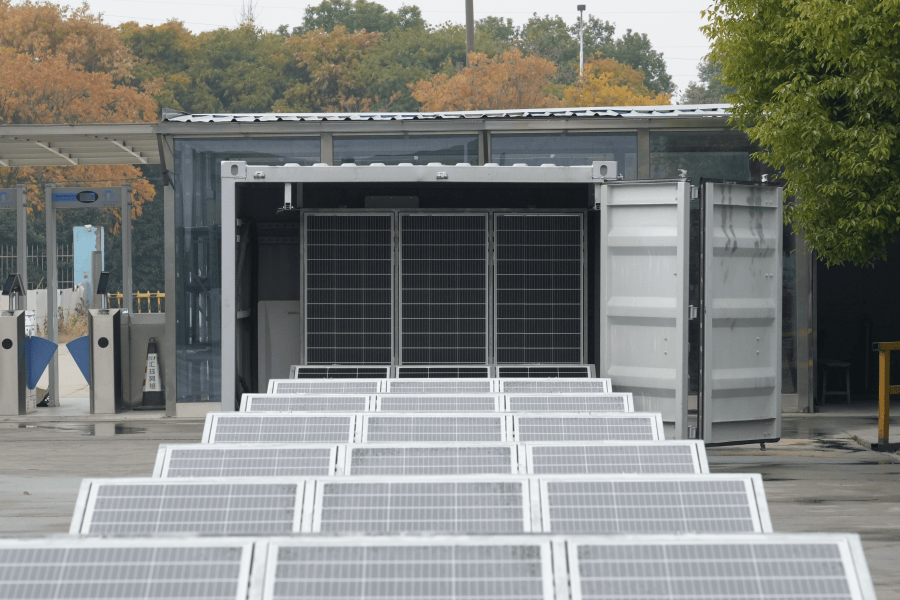
Table of Contents
- The Allure of the "Plug-and-Play" Power Island
- The Real Problem: It's More Than Just Keeping the Lights On
- Agitating the Pain: When "Good Enough" Isn't Good Enough
- The Solution Unpacked: What a True Grid-Forming PV Container Really Is
- The Benefits: Real Talk from the Field
- The Drawbacks Nobody Talks About (Until Now)
- Making the Right Call: An Expert's Checklist
The Allure of the "Plug-and-Play" Power Island
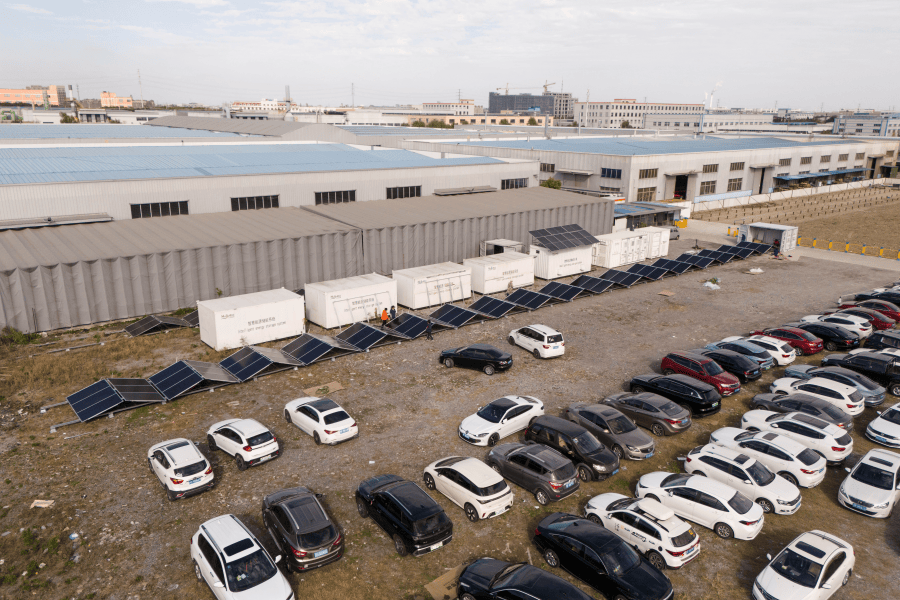
Honestly, if you're managing an eco-resort in California, the Greek islands, or the Caribbean, the pitch is incredibly seductive. Imagine a shiny, self-contained container arriving on site. Inside, the solar inverters, battery racks, thermal management, and brain of the system are all pre-wired, pre-tested, and supposedly ready to go. Touted as a "power island in a box," it promises to slash your diesel genset dependency, boost your green credentials, and maybe even keep the pool pumps and AC running during a grid outage. I get it. The appeal of a pre-integrated, grid-forming PV container is massive, especially when you're not an electrical engineer. But having commissioned over a dozen of these systems from various vendors, I need to give you the full, unvarnished picture - the good, the bad, and the thermally challenged.
The Real Problem: It's More Than Just Keeping the Lights On
The core challenge for remote eco-resorts isn't just adding solar. It's about creating a reliable, stable, and safe mini-grid from variable resources. You're dealing with midday solar peaks, evening demand surges from guests, and potentially a weak or non-existent main grid connection. Traditional, grid-following solar systems simply can't form a stable voltage and frequency on their own - they need the grid to "follow." When the grid dips or disappears, so does your solar power, unless you have a very specific and often clunky setup. This forces you back onto diesel, which, let's be real, smells terrible, is noisy, and murders your sustainability story.
Agitating the Pain: When "Good Enough" Isn't Good Enough
I've seen this firsthand on site. A resort in Florida opted for a cheaper, non-grid-forming solution. When a brief storm caused a grid disturbance, their entire solar array shut down for safety. The BESS kicked in, but it couldn't restart the solar inverters autonomously. The result? Two hours of running critical loads on batteries until they were depleted, then a frantic switch to diesel. The guest complaints about interrupted Wi-Fi and spa services were just the tip of the iceberg. The real cost was in operational chaos and a hit to their brand promise.
The National Renewable Energy Lab (NREL) has been clear about this: as we push towards 100% renewable microgrids, grid-forming inverters are not a luxury; they're a necessity. They act as the "anchor" for the electrical system, mimicking the inertia of a traditional generator. Without this capability, your energy resilience is built on shaky ground.

The Solution Unpacked: What a True Grid-Forming PV Container Really Is
So, what's the solution? A properly designed grid-forming pre-integrated PV container. Let's break down that jargon. "Pre-integrated" means the major components are assembled and tested in a controlled factory environment, which should mean faster, higher-quality deployment. "Grid-forming" is the magic bit - it means the inverter's software and hardware are designed to create and control the grid's voltage and frequency, allowing it to start "black" (from a total outage) and seamlessly integrate solar, batteries, and even backup gensets.
Think of it like this: a traditional inverter is a follower in a dance, needing a lead partner (the grid). A grid-forming inverter is the lead dancer itself, setting the rhythm for everything else on the floor - solar panels, batteries, and loads.
The Benefits: Real Talk from the Field
When executed right, the benefits are transformative:
- Ultimate Resilience & Guest Experience: This is the big one. The system can island itself from the main grid during an outage, using solar and storage to power critical loads without a blink. No more blackouts during dinner service. I've seen systems where the guests never even knew the regional grid was down for hours.
- Dramatic Fuel & O&M Savings: By maximizing solar self-consumption and minimizing genset run-hours, your Levelized Cost of Energy (LCOE) plummets. You're buying less diesel, spending less on generator maintenance, and extending the life of your assets.
- Faster, (Potentially) Simpler Deployment: Because a lot of the complex wiring and programming is done at the factory, on-site commissioning time can be reduced. This is a huge plus in remote locations where skilled labor is scarce and expensive.
- Compliance Built-In: A reputable provider will deliver the system pre-certified to key standards like UL 9540 for energy storage and IEEE 1547-2018 for grid interconnection in the US, or the equivalent IEC standards in Europe. This takes a massive compliance burden off your shoulders.
At Highjoule, for instance, our EcoGrid Container line is built around this philosophy. We don't just slap parts in a box. We design the power conversion, battery C-rate (that's the speed of charge/discharge), and thermal management as one cohesive system. This holistic design is what prevents the drawbacks I'm about to mention.
The Drawbacks Nobody Talks About (Until Now)
Okay, let's have that coffee-chat honesty. Here's what sales brochures often gloss over:
- The "Black Box" Risk: Pre-integration can mean vendor lock-in. If all the components are tightly bundled with proprietary software, what happens in 10 years? Can you easily replace a part or find another service provider? You need clear answers on system openness and long-term support.
- Thermal Management is Everything: A container is a small, metal box. In the desert sun or tropical humidity, heat buildup is your enemy. It degrades batteries and can cause shutdowns. I've opened containers where the cooling design was an afterthought - a single, undersized AC unit. You must ask: "What is the guaranteed operating ambient temperature range? How is the thermal management system sized for my specific climate?"
- Site Work is Never Zero: "Plug-and-play" is a myth. You still need a massive concrete pad, medium-voltage connection (if applicable), trenching, and final grid interconnection studies. The container simplifies the electrical scope, not the civil works.
- Upfront Cost Premium: The engineering and factory integration come at a price. You're paying for convenience and reliability upfront. The business case hinges on your avoided fuel costs and operational resilience, not on beating the cheapest per-kWh battery price.
Making the Right Call: An Expert's Checklist
So, is it right for your eco-resort? Ask your vendor these questions, drawn from two decades of getting this right (and seeing it go wrong):
| Your Question | What a Good Answer Sounds Like |
|---|---|
| Can you provide a detailed, site-specific performance simulation (PV + load profile + genset)? | "Yes, here's a 8760-hour model showing your expected % of renewable energy, genset run-hours, and projected LCOE." |
| How is the container cooled, and what is its guaranteed operating ambient temperature? | "We use a N+1 redundant, liquid-cooled system for the batteries and independent AC for electronics, rated for continuous operation at 45C (113F)." |
| Are the key components (inverters, BMS) from tier-1 OEMs with open communication protocols (like Modbus)? | "We use SMA/ Power Electronics/ etc. inverters, and our system exposes standard protocol interfaces for integration with your building management system." |
| Can you share a reference project with a similar load profile and climate? | "Here's the contact for a 80-villa resort in Arizona that we commissioned 18 months ago. They've reduced diesel use by 92%." |
| What is included in your long-term service agreement? Do you have local technicians? | "Our 10-year agreement includes remote monitoring, performance guarantees, and we have a service partner within 4 hours of your site for dispatch." |
The bottom line? A grid-forming pre-integrated container can be the brilliant, resilient heart of your eco-resort's energy system. But it's not a commodity purchase. It's a critical infrastructure investment. The benefits are profound when the system is engineered with depth - considering not just the specs, but the real-world physics and decades-long operational reality. The drawbacks are manageable if you go in with eyes wide open and a partner who has the scars (and the success stories) to prove they've done this before, and done it right.
What's the one operational headache in your resort's power system that keeps you up at night? Maybe it's time we found a concrete solution for that.
Tags: UL Standard BESS LCOE Microgrid IEEE 1547 Eco-Resort Pre-integrated Container Grid-Forming Inverter
Author
James Zhang
20+ years agricultural energy storage engineer / Highjoule CTO