
Environmental Impact of Liquid-cooled 1MWh Solar Storage for Military Bases
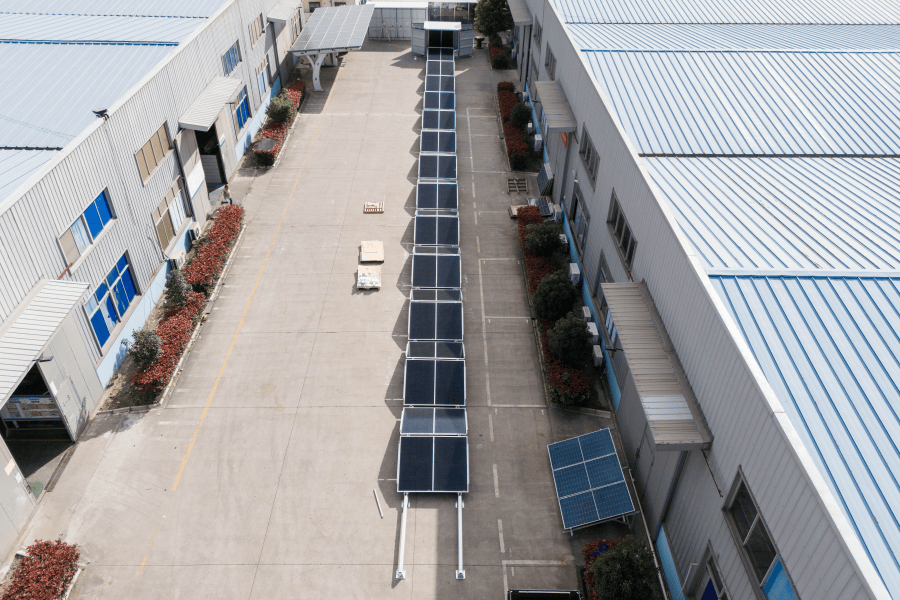
Beyond Resilience: The Real Environmental Footprint of Your Base's Solar Storage
Hey there. Let's have a real talk. Over two decades on sites from dusty Texas plains to remote European outposts, I've seen the military's energy transition up close. The goal is clear: energy security and resilience through solar. But honestly, the conversation often stops at the solar panels. The critical piece - the 1MWh battery storage system that makes it all work - is where the real environmental and operational story unfolds. And I've seen firsthand how the cooling method inside that container can make or break your sustainability goals.
Quick Navigation
- The Hidden Problem in Your Energy Security Plan
- Why Air-Cooling Falls Short for Demanding Duty Cycles
- Liquid Cooling: The Quiet Environmental Game-Changer
- A Case Study in Real Numbers
- Beyond the Whitepaper: An Engineer's On-Site Insights
- Making It Real: What to Look For
The Hidden Problem in Your Energy Security Plan
You deploy solar to reduce reliance on diesel gensets, cut carbon, and "green" the operation. That's the right instinct. But here's the agitation point I've witnessed: a standard, air-cooled 1MWh battery energy storage system (BESS) can become its own little environmental liability. We're talking about massive fans running constantly, especially in hot climates or during high C-rate operations like sudden black-start sequences. The energy consumed for that thermal management - the so-called "parasitic load" - can claw back 5-10% of your stored solar energy. According to a NREL analysis on system performance, this parasitic load directly inflates your Levelized Cost of Storage (LCOS) and, ironically, your carbon footprint per delivered kWh.
Why Air-Cooling Falls Short for Demanding Duty Cycles
Military bases aren't typical commercial sites. The duty cycle is brutal: long periods of standby, followed by sudden, high-power demand. An air-cooled system struggles here. To prevent thermal runaway - a non-negotiable safety priority - it often overcools the entire container, leading to massive energy waste and temperature gradients within the battery rack. These "hot spots" are what kill battery lifespan. I've opened up units after just 3 years where the center modules degraded 30% faster than the edge ones. That's not just a cost issue; it's a waste issue. You're recycling batteries far sooner than planned, which has a significant upstream environmental impact in mining and manufacturing.

Liquid Cooling: The Quiet Environmental Game-Changer
This is where the solution, specifically liquid-cooled 1MWh solar storage, changes the calculus. Think of it as precision climate control for each battery cell, versus blowing a hurricane through the entire container. The environmental impact is multi-layered:
- Direct Energy Savings: Liquid is 25x more efficient at heat transfer than air. The pumps use a fraction of the energy that large fans do. This can slash parasitic loads by up to 40%, meaning more of your captured solar actually powers your base.
- Longevity & Waste Reduction: By maintaining a 2C cell temperature uniformity, you dramatically reduce stress. This can extend useful battery life by 20-30%. That's years of extra service before recycling, a huge win for sustainability.
- Density & Land Use: A liquid-cooled system is more compact. You can often fit the same 1MWh capacity in a smaller footprint, preserving land - a key consideration for many bases.
A Case Study in Real Numbers
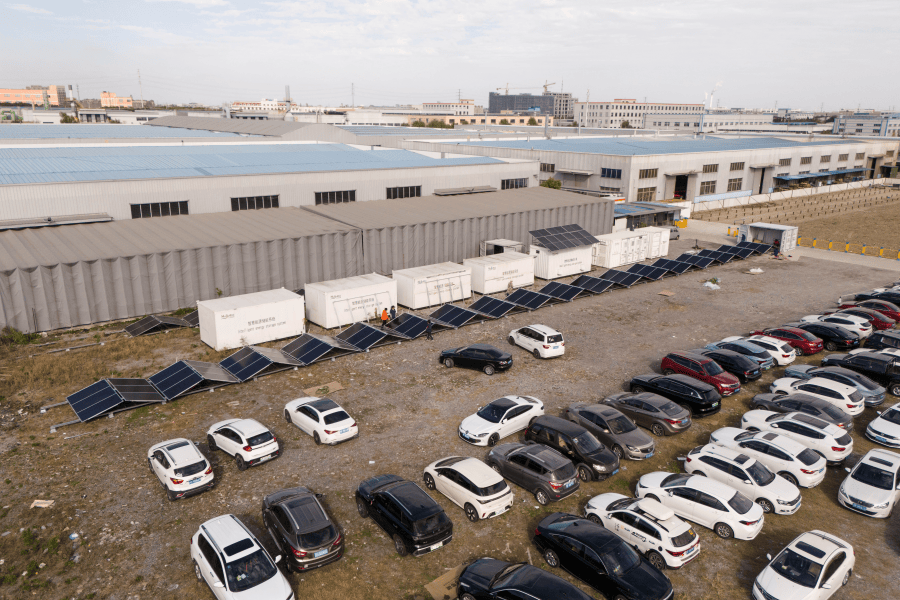
Let's talk about a project we supported in Southern Europe - a NATO installation moving towards energy independence. They had a 2.5MW solar array and needed a 1MWh storage buffer for critical loads. The initial spec was for air-cooled. We ran the models together, looking at their 40C+ summer peaks and the IEC 62933-2 safety standards for such environments. The lifetime energy loss for cooling was staggering.
We deployed our Highjoule H2O-Cool? BESS platform, a liquid-cooled, UL 9540A tested system. The results after 18 months? A 35% reduction in auxiliary energy consumption compared to the air-cooled benchmark. The thermal management system's noise level dropped from 75 dB to under 60 dB - a real quality-of-life and stealth benefit. Most importantly, the state-of-health (SOH) degradation curve was tracking 22% slower than projected for an air-cooled equivalent. That translates to fewer battery replacements over the system's life and a lower long-term environmental burden.
Beyond the Whitepaper: An Engineer's On-Site Insights
Here's my take, drawn from connecting these units myself. The environmental benefit of liquid cooling isn't just in the specs; it's in the operational stability. A thermally stable battery is a safer battery. It's less likely to experience catastrophic failure, which is the ultimate environmental and safety risk. Furthermore, when we design our systems at Highjoule, we integrate this cooling philosophy with the power electronics. This holistic design, compliant with both UL and IEC standards, minimizes conversion losses too. It's about optimizing the entire chain - from solar DC to critical AC load - for maximum efficiency and minimum waste.
Making It Real: What to Look For
So, if you're evaluating a 1MWh solar storage system for a base, don't just look at the upfront cost per kWh. Ask your vendor:
- "What is the parasitic load of your thermal management system at full load and 40C ambient?"
- "Can you show me the temperature uniformity data (C across the rack) from your testing?"
- "How does the design comply with UL 9540A for fire safety, and how does cooling play a role?"
- "What's the projected LCOE (Levelized Cost of Energy) over 15 years, including cooling energy and degradation?"
The right liquid-cooled system isn't just a piece of hardware; it's a long-term partner in achieving true, sustainable energy resilience. It ensures the green power you generate isn't wasted cooling the very system that's supposed to store it.
What's the biggest operational energy drain you're seeing at your facilities today? Is it the cooling, the conversion losses, or something else entirely? Let's discuss the real-world hurdles.
Tags: UL Standard BESS LCOE Liquid Cooling Solar Storage Environmental Impact Military Energy
Author
James Zhang
20+ years agricultural energy storage engineer / Highjoule CTO