
Comparing 215kWh Cabinet Industrial ESS for Telecom: Key Factors for US & EU
Table of Contents
- The Silent Problem at the Edge of the Grid
- The Real Cost of "Making Do"
- Why the 215kWh Cabinet-Style ESS is a Game-Changer
- Looking Beyond the Spec Sheet: What Really Matters
- A Case in Point: Northern Germany Deployment
- Making the Right Choice for Your Network
The Silent Problem at the Edge of the Grid
Honestly, if you're managing telecom infrastructure in North America or Europe right now, you're being pulled in three directions at once. You need to keep sites up 99.999% of the time, you're under pressure to integrate renewables and slash OPEX, and you've got a boardroom asking about sustainability goals. The old paradigm of just oversized diesel generators and grid dependency? It's not just expensive, it's becoming a liability.
I've seen this firsthand on site. You visit a base station, often in a remote or sensitive location, and the power setup is a patchwork. A main feed, a gen-set that hasn't been tested in months, and maybe a small, aging battery bank that was only ever meant for short-term bridging. It works... until it doesn't. And when it fails, the cost isn't just in downtime - it's in the frantic service call, the lost revenue, and the reputational hit. The problem isn't a lack of solutions; it's that the traditional solutions no longer fit the new trilemma of reliability, cost, and green mandates.
The Real Cost of "Making Do"
Let's agitate that pain point a little. What does "making do" really cost? The International Energy Agency (IEA) has highlighted that telecom networks account for about 2-3% of global energy demand, a figure that's climbing with 5G rollout. A significant chunk of that is simply keeping the site running during grid outages or price surges.
Think about the last time you had to do a CapEx review for backup power. The numbers for a full-scale containerized solution often sparked sticker shock, leading to compromises on size or features. But the hidden costs pile up: frequent maintenance on those gen-sets, fuel logistics, the space footprint, and the noise/compliance issues in residential areas. Then there's the efficiency loss. A system with poor thermal management or a low C-rate might technically store energy, but it can't discharge it fast enough or efficiently enough to handle a real-world brownout, wasting your investment. You end up paying for capacity you can't effectively use.
Why the 215kWh Cabinet-Style ESS is a Game-Changer
This is precisely where the modern, cabinet-style Industrial Energy Storage System (ESS) in the 215kWh range enters the chat. It's not a one-size-fits-all mega-container, nor is it a undersized toy. It's the "Goldilocks" solution for a huge swath of the telecom market. The shift we're seeing - and driving at Highjoule - is from viewing backup as a cost center to seeing the ESS as a grid asset and a profit-protection tool.
A well-designed 215kWh cabinet is a strategic fit. It's modular enough to be deployed without a massive civil works project, yet robust enough to provide meaningful duration for outage mitigation or to perform lucrative grid services like frequency regulation. It replaces the generator as the first line of defence, slashing fuel costs and maintenance visits. The solution is about right-sizing with intelligence, not over-engineering with brute force.

Looking Beyond the Spec Sheet: What Really Matters
Anyone can list kWh and voltage on a datasheet. Where you separate the wheat from the chaff is in the details that dictate 10+ years of reliable service. When comparing 215kWh cabinets, here's what I dig into, based on hundreds of site inspections:
- Thermal Management (The Silent Killer): This is everything. A passive air-cooled system might look cheaper, but in a sealed cabinet in Arizona heat or a Norwegian winter, cell degradation accelerates. An active liquid cooling system, like we integrate, keeps cells in their sweet spot. It might add 5% to the initial cost but can extend cycle life by 30% or more. That's a direct LCOE (Levelized Cost of Energy) win.
- C-rate C The Power Personality: A 1C rating means your 215kWh system can discharge at 215kW. That's fine for a slow roll-off. But what if you need to support a critical load and charge from your onsite solar during a variable grid event? A higher C-rate (like 1.5C or 2C) gives you that power headroom. It's the difference between a system that reacts and one that proactively manages energy flows.
- The Compliance Labyrinth (UL vs. IEC): This is non-negotiable. For the US, UL 9540 and UL 1973 are your bedrock safety standards. In Europe, it's IEC 62933 and IEC 62619. A cabinet certified for both markets isn't just about stickers; it's a testament to a design philosophy that prioritizes safety from the cell up through the system. It's what lets our local Highjoule teams in Stuttgart or Austin sleep soundly after a deployment.
A Case in Point: Northern Germany Deployment
Let me give you a real example. We worked with a regional operator in Lower Saxony, Germany. Their challenge: several rural base stations with poor grid stability (prone to brief dips) and a corporate mandate to reduce diesel use. They needed reliability and a path to green.
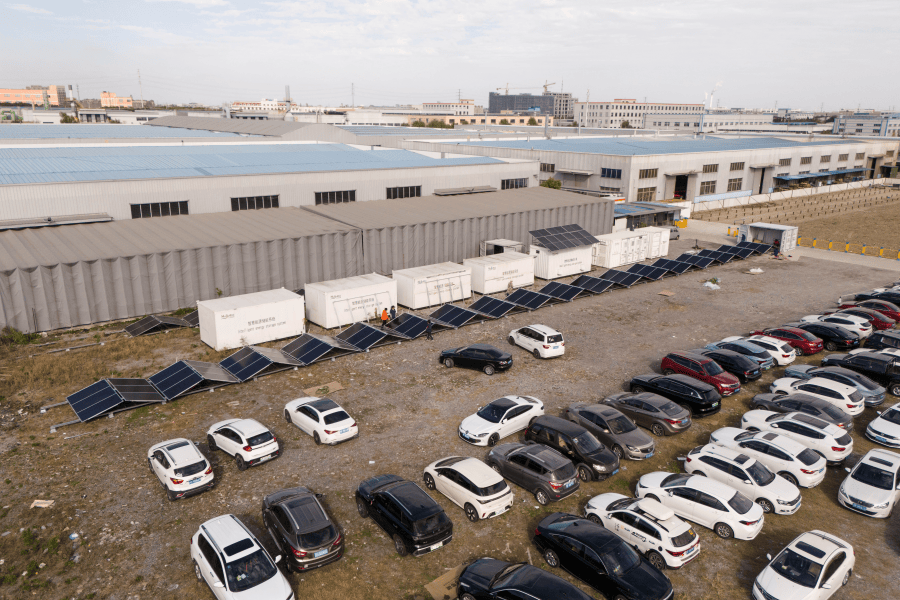
The solution wasn't a giant container. We deployed a series of our 215kWh cabinet ESS units. The cabinets were pre-assembled and tested at our facility, so on-site installation was just two days per site - minimal disruption. The integrated PCS allowed for seamless switching during grid dips, eliminating 95% of the generator starts. Furthermore, the system was configured for frequency containment reserve (FCR) in the German market. Now, those sites aren't just cost centers; they generate small but steady revenue streams by supporting the national grid. The LCOE of that stored energy plummeted because its utilization went way up.
Making the Right Choice for Your Network
So, when you're comparing those 215kWh cabinet proposals, move beyond the price-per-kWh headline. Ask your vendor: How does the thermal system perform at my site's peak ambient temperature? Can you show me the UL/IEC certification documents? What's the projected cycle life at my specific duty cycle, and what's the warranty backing that? What does the service and monitoring look like post-installation - is it a black box, or do I have clear visibility?
At Highjoule, we build our cabinets around these questions. The goal is to deliver a system that disappears into reliable, silent operation for years, giving you the resilience to weather grid instability and the flexibility to capitalize on energy markets. The right cabinet isn't just a battery in a box; it's the intelligent, compliant, and durable heart of your site's modern energy strategy. What's the one site in your network where testing this approach would deliver the clearest ROI?
Tags: UL Standard BESS LCOE US Market Telecom Energy Storage Industrial ESS IEC Standard European Market
Author
James Zhang
20+ years agricultural energy storage engineer / Highjoule CTO