
Hybrid Solar-Diesel System for Data Center Backup: A Cost & Reliability Deep Dive
Contents
- The Problem: The Silent Cost of "Always-On"
- The Agitation: When the Backup Plan Itself Becomes a Liability
- The Solution: The Hybrid Mindset - It's Not Just About Fuel
- A Real-World Case: From Theory to Texas Grid Reality
- The Expert View: C-Rate, Thermal Runaway, and Why Your Finance Team Will Love This
- So, What's Your Next Step?
The Problem: The Silent Cost of "Always-On"
Let's be honest. If you're managing a data center's power infrastructure, your primary metric is uptime. Everything else is secondary. For decades, the answer to backup power has been massive, roaring diesel generators - and for good reason. They're proven, they're powerful, and they kick in when the grid falters. But sitting here in 2025, after having walked through dozens of data center yards from Oregon to Bavaria, I see a universal, quiet frustration. The traditional diesel-only backup model is becoming a operational and financial albatross. It's not just about the fuel bill during an outage; it's about the staggering cost of keeping that system ready for an outage that, thankfully, rarely comes.
The Agitation: When the Backup Plan Itself Becomes a Liability
I've seen this firsthand on site. You've got these million-dollar assets - your gensets - sitting idle 99.9% of the time. But "idle" is expensive. You're committing to rigid maintenance schedules, fuel polishing, emission compliance testing (which is getting stricter by the year, especially in California and the EU), and you're holding significant capital literally in a tank of diesel that's degrading. The NREL has shown that for many critical facilities, the Levelized Cost of Backup (LCOB) for diesel-only systems is heavily skewed by these fixed, ongoing costs, not the variable fuel cost.
Then there's the deployment speed. A new data hall comes online faster than ever. Waiting for permanent generator installation and utility interconnection can bottleneck your entire rollout. And honestly, the noise and emissions profile? It's a growing community and CSR headache. You're not just powering servers; you're managing a reputation.
The Solution: The Hybrid Mindset - It's Not Just About Fuel
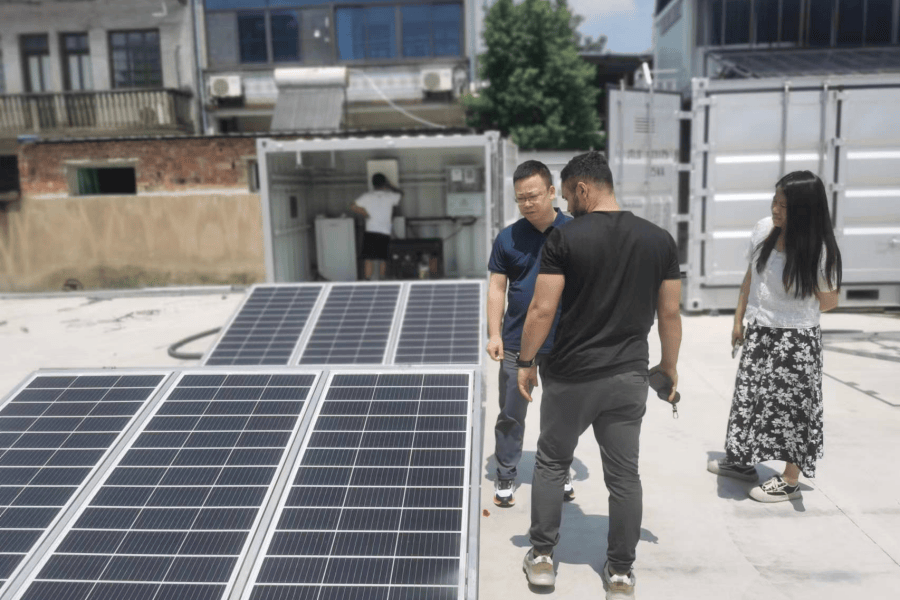
This is where the rapid deployment hybrid solar-diesel system shifts the paradigm. We're not talking about replacing your diesel genset. We're talking about making it smarter, more efficient, and frankly, letting it rest more. The core idea is integrating a containerized Battery Energy Storage System (BESS) and a solar PV array with your existing or new diesel generators.
Think of the BESS as your first-responder. During a grid outage, it provides instantaneous, silent backup power for your most critical loads, bridging the 10-60 seconds it takes for your generators to start and synchronize. This eliminates any power quality dip. But the magic happens in daily operation. That solar array and BESS can work in a microgrid mode to shave peak demand charges, participate in grid services (where markets allow), and even perform regular generator load-banking tests without burning a drop of fuel. You're now monetizing your backup infrastructure.
Why "Rapid Deployment" is Key
The "rapid deployment" aspect is what makes this viable for fast-paced data center expansions. We're talking about pre-engineered, UL 9540 and IEC 62933 certified containerized solutions. These are shipped, connected, and commissioned in weeks, not months. They conform to local codes (like IEEE 1547 for interconnection) out of the box, which is a massive headache removed for your engineering team.

A Real-World Case: From Theory to Texas Grid Reality
Let me tell you about a project we did with a colocation provider in Texas. Their challenge was twofold: ensure backup for a new building block and mitigate insane summer peak demand charges from ERCOT. A traditional dual-genset setup was the baseline.
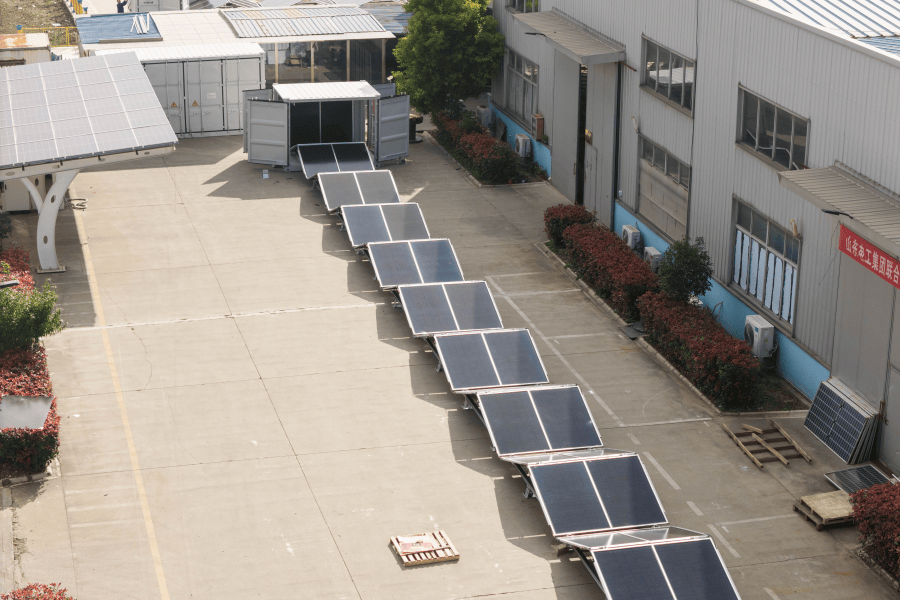
We deployed a hybrid system: a 2MW/4MWh BESS, a 1.5MW rooftop solar canopy, and integrated it with their single, new 2.5MW generator. The BESS, with its high C-rate capability (more on that below), handles all instantaneous backup needs and daily peak shaving. The generator now only runs for extended outages or for mandatory monthly testing - and even then, the BESS can simulate load. The result? Their projected Levelized Cost of Energy (LCOE) for backup and peak management dropped by over 40%. The system paid for itself in under 4 years just on demand charge savings, and it gave them a marketable "greener" footprint. The rapid deployment containerized BESS was cranking in less than 8 weeks from contract sign.
The Expert View: C-Rate, Thermal Runaway, and Why Your Finance Team Will Love This
Okay, let's get technical for a minute, but I promise to keep it coffee-chat level. When evaluating a BESS for this hybrid role, two specs are non-negotiable:
- C-Rate: This is basically how fast the battery can discharge its power. For backup, you need a high C-rate (1C or higher). It means a 4MWh system can deliver 4MW instantly. A low C-rate battery is like a large reservoir with a small pipe - it has energy, but can't deliver it fast enough for your servers. Our systems are engineered for this high-power, short-duration duty cycle.
- Thermal Management: This is the unsung hero of safety and longevity. Pushing high power heats up battery cells. A passive air-cooled system might cut it for slow, residential use. For data center-grade reliability, you need active liquid cooling with precise climate control inside the container. It prevents thermal runaway (a cascading failure), ensures consistent performance in the Texas heat or Minnesota cold, and doubles the system's lifespan. This is where UL 9540A test compliance isn't just a checkbox; it's your insurance policy.
From a financial lens, the hybrid model transforms a CAPEX-heavy, expense-only backup line item into a revenue-capable asset. You're reducing fuel OPEX, cutting demand charges, and potentially creating a new income stream. The IEA consistently highlights this asset flexibility as key to modern grid resilience.
So, What's Your Next Step?
If you're planning a new data hall or reassessing the resilience and cost of an existing one, the comparison is no longer "Diesel Gen A vs. Diesel Gen B." The real conversation is about designing a resilient, intelligent power system that considers uptime, cost, and community impact from day one. The rapid deployment hybrid model isn't a science project anymore. It's a commercial, reliable, and frankly, a smarter way to keep the lights on.
At Highjoule, we've built our last decade on making this integration seamless. It's not just about selling a battery container; it's about providing the control software, the ongoing performance monitoring, and the local service team that understands both IEEE standards and the urgency of a data center outage. The question isn't really if the hybrid model is right, but when is the right time for your facility to make the shift. What's the one pain point in your current backup strategy that keeps you up at night?
Tags: UL Standard BESS LCOE Data Center Backup Microgrid Hybrid Solar-Diesel System
Author
James Zhang
20+ years agricultural energy storage engineer / Highjoule CTO