
High-voltage DC Hybrid Solar-Diesel Systems: Cutting Mining's Environmental Impact
Contents
- The Remote Power Dilemma: It's More Than Just Fuel Cost
- Beyond the Generator Hum: The Real Cost of "Business as Usual"
- A Cleaner Bridge Solution: Why High-Voltage DC Hybrid is the Answer
- From Nevada to Mauritania: The Proof is in the Performance
- The Devil's in the (DC) Details: What Makes a Hybrid System Work
- Making the Shift Practical: What to Look For
The Remote Power Dilemma: It's More Than Just Fuel Cost
Let's be honest. If you're managing a remote industrial site C a mine, a processing plant, anything off-grid C you've had the same conversation a hundred times. The diesel generators are humming, the fuel bill is a staggering line item, and the pressure to show progress on ESG goals grows every quarter. I've sat in those site offices, the faint smell of diesel in the air even inside, listening to brilliant operational managers wrestle with this trilemma: reliability, cost, and now, environmental impact. You can't compromise on the first, the second is killing your bottom line, and the third is becoming a non-negotiable for investors and off-takers.
For years, the conversation around renewables at remote sites was theoretical. Solar and wind were "nice to haves," but the specter of downtime kept everyone reliant on the tried, true, and increasingly expensive diesel genset. But the math has changed. Drastically.
Beyond the Generator Hum: The Real Cost of "Business as Usual"
The problem isn't just the price per liter of diesel. It's the entire ecosystem of cost and risk that comes with it. I've seen this firsthand on site. First, there's the sheer logistical nightmare and cost of fuel transportation to places like, say, the mining regions of Mauritania or the Australian outback. We're talking convoys, security, spoilage, and massive storage infrastructure. Then, there's the operational inefficiency. Gensets running at low load are terribly inefficient, guzzling fuel while wearing out faster. Maintenance is constant and specialized.
But here's the agitation point that's now keeping CEOs awake: the environmental ledger. It's no longer just about carbon. It's about local air quality (particulates, NOx), noise pollution affecting local communities and wildlife, and the ever-present risk of soil and water contamination from fuel spills. According to the International Energy Agency (IEA), mining accounts for about 1% of global energy use and a significant portion of its diesel consumption. Investors are applying real pressure. A major mining fund manager told me recently, "We simply won't back projects without a credible, phased decarbonization plan for their power. Diesel-only is a stranded asset in the making."
A Cleaner Bridge Solution: Why High-Voltage DC Hybrid is the Answer
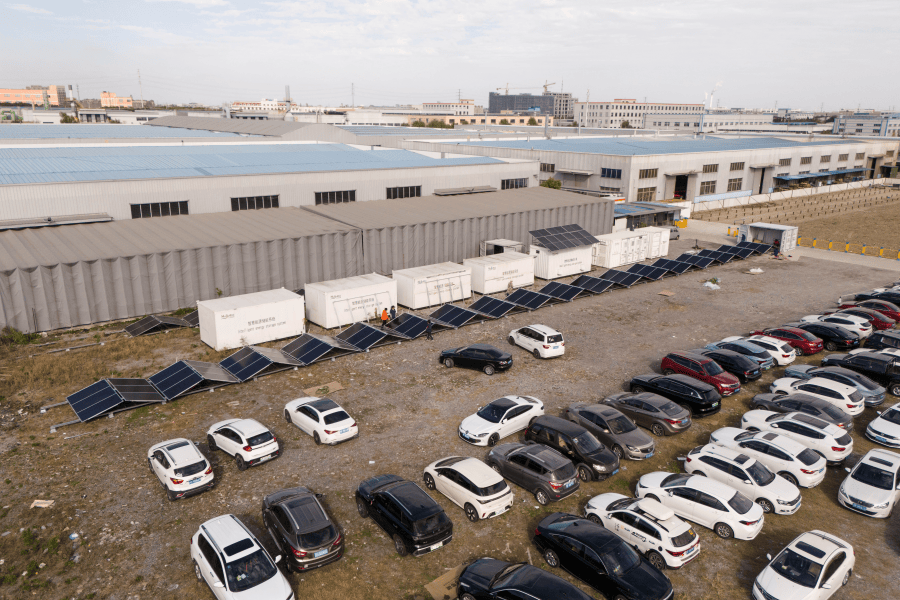
So, what's the solution? You can't just flip a switch to 100% solar overnight for a 50MW load. The grid isn't there. The answer we've been deploying successfully is the high-voltage DC-coupled hybrid solar-diesel system. Think of it not as a replacement, but as an optimizer and a bridge.
Here's the simple genius of it: instead of having solar inverters and diesel gensets fighting for AC phase synchronization (a complex, loss-prone process), you bring both power sources into a common DC bus. The solar arrays feed DC power directly into this bus. The diesel gensets, paired with high-efficiency rectifiers, also feed DC. This DC bus then feeds a massive, centralized battery energy storage system (BESS) and a single set of inverters to create clean, stable AC power for your site loads.
The BESS is the brain of the operation. It smooths out the solar intermittency. When the sun is blazing, the batteries charge, and the diesel gensets can throttle down or switch off completely. When a cloud passes or at night, the batteries discharge seamlessly. The gensets only run at their optimal, fuel-efficient load points to recharge batteries or handle peak demands. The result? A 40-70% reduction in diesel fuel consumption from day one. That's a direct line to lower costs and a dramatically smaller environmental footprint.

From Nevada to Mauritania: The Proof is in the Performance
This isn't lab theory. We've done it. A great parallel example is a project we supported for a critical minerals mine in Nevada. The challenge was identical: high diesel costs, pressure to reduce emissions, and zero tolerance for power interruptions. The site deployed a 12MW DC-coupled hybrid system with 5MW of solar and a 4MW/16MWh BESS.
The outcome? Diesel fuel use dropped by over 58% in the first year. The Levelized Cost of Energy (LCOE) C the true total cost of power over the system's life C fell by 35%. But just as crucial were the softer benefits. The noise reduction was immediately noticeable, improving conditions for workers. The maintenance schedule on the gensets was extended significantly because they were running less and under optimal conditions. This is the exact same technological and operational blueprint we apply to projects in regions like Mauritania, where the solar resource is even more abundant.
The Devil's in the (DC) Details: What Makes a Hybrid System Work
As an engineer who's been on the commissioning side of these projects, let me tell you, not all hybrid systems are created equal. The difference between success and a costly headache is in the technical execution. Three things matter most:
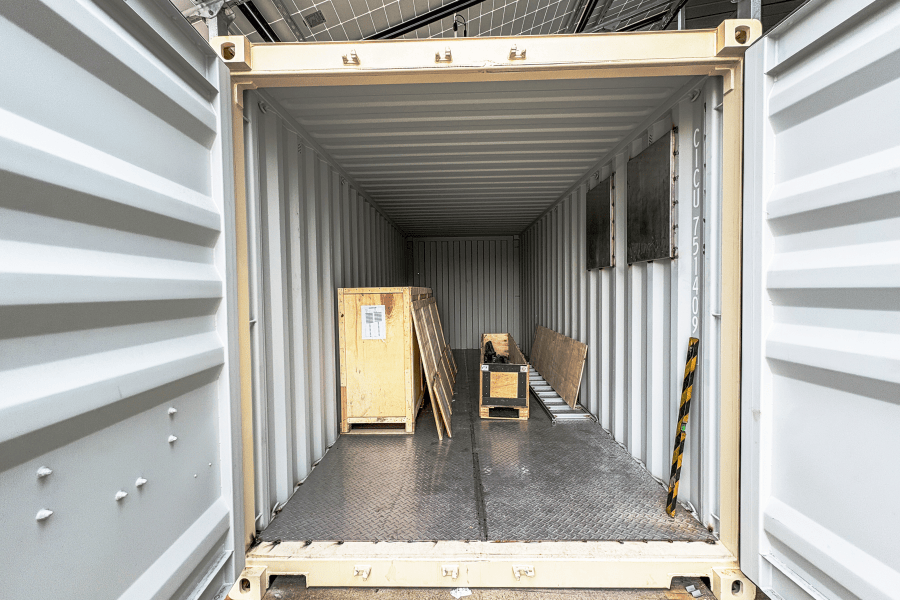
- BESS C-rate and Thermal Management: Mining loads can be spikey. You need a battery system that can discharge quickly (a high C-rate) to cover those spikes without cycling the gensets on and off. But high power demands heat. If the thermal management inside that BESS container isn't industrial-grade C think liquid cooling or forced air with meticulous airflow design C you'll degrade the batteries in no time. Our systems are designed for the desert heat of Mauritania and the cold of Canada, with UL and IEC standards baked into the core design for safety.
- DC System Voltage: "High-voltage" DC (often around 1500V) isn't just a buzzword. It's an efficiency game-changer. Higher voltage means lower current for the same power, which means thinner, less expensive cables and significantly lower transmission losses over long distances on a large mine site. This directly improves your ROI and LCOE.
- The Control Intelligence: This is the secret sauce. The system controller isn't just switching power sources; it's making millisecond-by-millisecond economic and operational decisions. Should it pull from solar, battery, or genset? It's calculating fuel cost, genset efficiency curves, battery state-of-health, and load forecasts. It's this intelligence that maximizes diesel displacement.
Making the Shift Practical: What to Look For
If you're evaluating this path, your checklist should go beyond the brochure's headline fuel savings. First, partner with someone who has done it at scale. Ask for case studies with real, third-party-verified performance data. Second, demand compliance with the standards your company trusts C UL 9540 for the overall energy storage system, IEEE 1547 for grid interconnection (even for microgrids), and IEC standards for components. This isn't just red tape; it's your safety and performance insurance.
At Highjoule, this is our bread and butter. We don't just sell containerized BESS units; we engineer the entire DC-coupled system with a focus on lifecycle value. That means designing for the lowest possible LCOE from the start, using components that are serviceable on-site (or better yet, remotely monitored and diagnosed), and providing the local technical support to ensure the system delivers for decades. The goal is to make your power infrastructure a source of competitive advantage and ESG credibility, not a constant cost center.
The question for any remote industrial operator now isn't really if you should integrate hybrid renewable systems, but how and with whom. The technology is proven. The financial case is solid. And the environmental imperative is clear. What's the first step you need to take to model the impact for your specific site?
Tags: BESS Mining Operations Environmental Impact High-voltage DC Hybrid Power Systems
Author
James Zhang
20+ years agricultural energy storage engineer / Highjoule CTO