
LFP Hybrid Solar-Diesel Systems for Data Centers: Environmental & Cost Benefits
Contents
- The Silent Diesel Problem in Your Data Center
- Why LFP Chemistry is a Game-Changer for Hybrid Systems
- Beyond Theory: The Real Environmental & Financial Impact
- Making It Work: Practical Insights from the Field
- Is Your Backup Power Strategy Ready for the Future?
The Silent Diesel Problem in Your Data Center
Let's be honest. For years, the default backup power solution for mission-critical facilities like data centers has been straightforward: a bank of diesel generators, ready to roar to life at the first sign of a grid hiccup. It's reliable, it's well-understood, and frankly, it's a regulatory checkbox. But sitting in a lot of control rooms over the years, I've seen the other side of that reliability. The monthly test runs that fill the air with particulate matter. The looming anxiety about fuel supply chains during extreme weather events. And the growing, uncomfortable question from corporate sustainability teams: "What's our carbon footprint for backup power?"
This isn't just a philosophical concern. According to the International Energy Agency (IEA), data centers are significant and growing consumers of global electricity, and their backup systems are coming under increased scrutiny. The traditional model is hitting a wall on three fronts:
- Environmental Compliance & ESG Goals: Emissions from diesel gensets, even during testing, directly conflict with net-zero pledges and local air quality regulations, especially in regions like California or the EU.
- Operational Cost & Complexity: Fuel is expensive, volatile, and requires secure storage and maintenance. That's a constant operational headache and a financial line item that's only going up.
- Noise & Community Relations: I've been on sites where neighbors complain about the mandatory generator testing. It's a real social license issue that can delay projects or lead to fines.
The problem isn't the need for backup - that's non-negotiable. The problem is that the old solution creates a new set of problems we can no longer afford to ignore.
Why LFP Chemistry is a Game-Changer for Hybrid Systems
So, what's the path forward? We're seeing a powerful shift towards hybridizing solar PV with your existing diesel backup, using a Battery Energy Storage System (BESS) as the intelligent buffer. And the heart of this solution - the battery chemistry - makes all the difference. This is where Lithium Iron Phosphate (LFP or LiFePO4) isn't just an option; it's becoming the preferred choice for safety-conscious industries like ours.
Honestly, in the early days, other lithium chemistries gave some engineers pause for large-scale, stationary storage due to thermal runaway risks. LFP chemistry has an inherently stable structure. What that means on your site is a dramatically lower fire risk, which translates directly to simpler insurance approvals and peace of mind. But the environmental story is even more compelling.
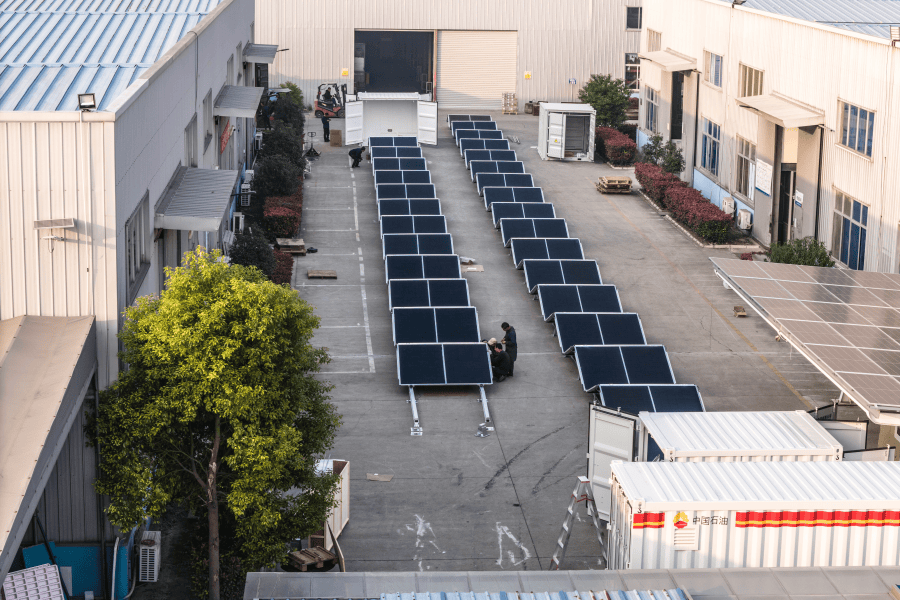
An LFP-based hybrid system works like this: Your on-site solar panels (or a green power purchase agreement) become the primary source for continuously charging the battery. The BESS then acts as the first line of defense during an outage, providing instantaneous, silent backup for critical loads. The diesel generators? They either don't start at all for short outages, or they kick in only after a delay, and then run at a steady, optimal load to recharge the batteries. This slashes runtime, fuel use, and emissions by 70% or more in many cases I've witnessed.

Safety and Standards: Non-Negotiable
For the US and EU markets, this isn't a wild west. Systems must be built to stringent standards like UL 9540 for energy storage systems and IEC 62619 for stationary battery safety. At Highjoule, our LFP-based containerized BESS units are designed from the ground up to meet and exceed these, with integrated thermal management systems that maintain optimal cell temperature - a critical factor for longevity and safety. We're not just selling boxes; we're delivering a certified, bankable asset.
Beyond Theory: The Real Environmental & Financial Impact
Let's talk numbers. The National Renewable Energy Laboratory (NREL) has shown that hybridizing power systems can significantly reduce Levelized Cost of Energy (LCOE) while cutting emissions. LCOE is the total lifetime cost of your backup power divided by the energy it supplies. By adding solar and LFP storage, you:
- Reduce Fuel Consumption: This is your biggest variable cost gone.
- Extend Generator Life: Fewer running hours and less cycling mean major maintenance savings.
- Capture Renewable Energy: You're offsetting grid power or fuel with free solar energy.
I want to share a case from a colocation data center we worked with in Texas. Their challenge was peak shaving to avoid demand charges and providing cleaner backup. They deployed a 2MW/4MWh Highjoule LFP system integrated with a rooftop solar canopy and their legacy diesel gensets. In the first year, the system achieved:
| Diesel runtime for testing/outages | Reduced by 82% |
| Annual CO2 emissions from backup | Cut by ~135 metric tons |
| Demand charge savings | ~$15,000 monthly |
The project paid for itself in under 4 years through fuel and demand savings alone, not counting the ESG value. That's a tangible business case.
Making It Work: Practical Insights from the Field
Deploying this isn't just plug-and-play. Based on two decades of on-site work, here's my take on making it successful:
1. Right-Sizing is Everything: It's not about maxing out battery capacity. It's about understanding your critical load profile, outage history, and solar generation potential. A C-rate (the speed at which a battery charges/discharges) that matches your need for instantaneous pickup is crucial. Over-spec and you waste capital; under-spec and you defeat the purpose.
2. Intelligence Over Hardware: The brain of the system - the energy management system (EMS) - must seamlessly orchestrate between solar, battery, generator, and grid. It needs to prioritize solar self-consumption, decide when to cycle the battery, and only call on the diesel as a last resort. This logic is where the real optimization happens.
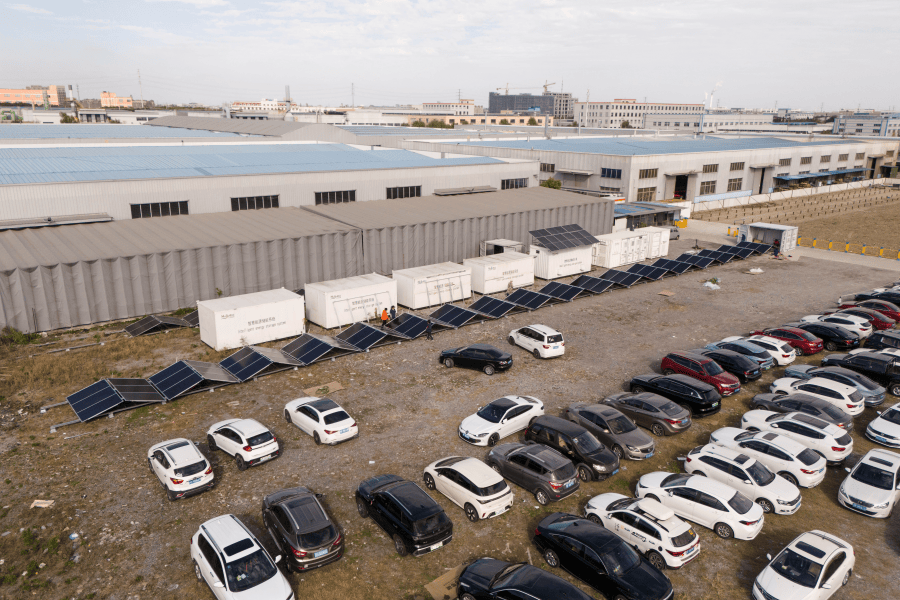
3. Plan for the Long Haul: LFP batteries are famous for their long cycle life (often 6,000+ cycles). But to get there, you need a rock-solid thermal management system. We design our containers with active liquid cooling because consistent temperature control is the single biggest factor in preserving battery health and hitting that 15-20 year lifespan, which makes the LCOE incredibly attractive.
Is Your Backup Power Strategy Ready for the Future?
The conversation around data center infrastructure is changing. It's no longer just about uptime; it's about green uptime. An LFP-based hybrid solar-diesel system directly addresses the environmental impact of your backup power while building a more resilient, cost-effective operation. It turns a compliance cost center into a strategic, future-proof asset.
The technology is proven, the standards are in place, and the financials make sense. The question I'd leave you with is this: When your board or your biggest client asks for your decarbonization roadmap for core infrastructure, what will you say about your backup power? We've helped dozens of facilities craft that answer, and the shift starts with a single, practical conversation.
Tags: UL Standard BESS LCOE Europe US Market Renewable Energy LFP Battery Data Center Backup Solar-Diesel Hybrid
Author
James Zhang
20+ years agricultural energy storage engineer / Highjoule CTO